
Pruning
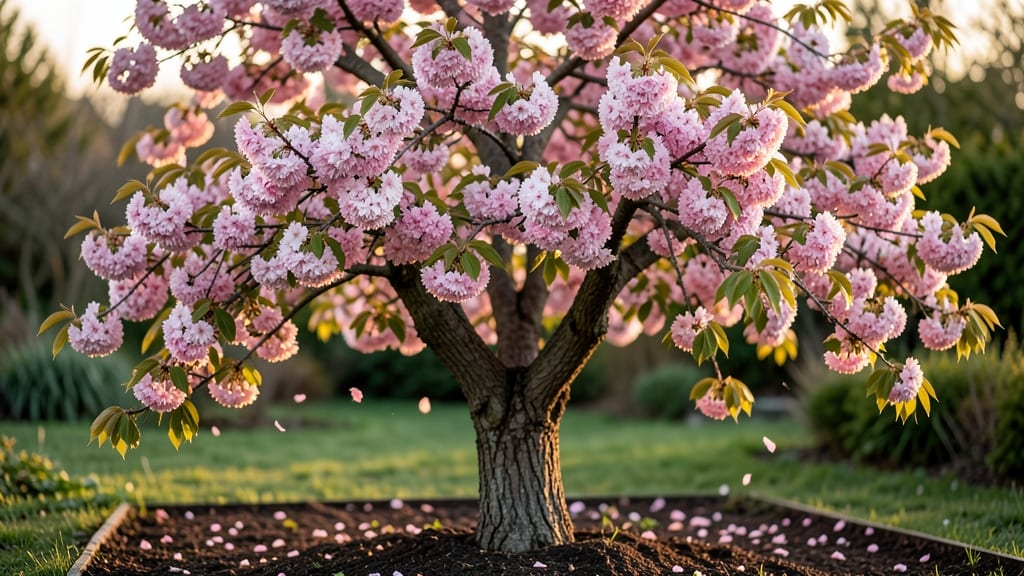
An ornamental cherry tree’s lifespan can stretch to 100 years or more—but only if you prioritize the right care from day one.
Did you know some varieties like the Yoshino or Kwanzan cherry trees can outlive their gardeners? The secret isn’t just luck; it’s a mix of soil prep, pruning precision, and knowing when to step back and let nature do its work.
From Zone 6a to warmer climates, these trees thrive when you match their needs to your local conditions. Poor drainage or aggressive pruning can cut their lifespan in half, while the right balance keeps them blooming for decades.
In this guide, I’ll break down the exact care habits—from seasonal pruning to pest prevention—that turn a 20-year tree into a century-old landmark. Let’s get started.
Ornamental cherry tree lifespan: average years and key influencing factors
Ornamental cherry trees like the Yoshino and Kwanzan varieties can live for decades—or even over 100 years—with the right care. Their lifespan depends on genetics, growing conditions, and your maintenance habits.
Some trees thrive for 50+ years in ideal environments, while others struggle past 20 years due to neglect or poor soil.
Understanding these factors helps you extend your tree's life. For example, the Autumn Brilliance cherry often lives 30-40 years, while the Prunus subhirtella (Winter Cherry) can exceed 50 years with proper pruning and soil care. Climate plays a huge role—cold-hardy varieties in USDA Zones 5-8 often outlast tropical species.
Here’s a quick breakdown of how soil quality, climate suitability, and tree health practices impact lifespan:
The Yoshino cherry often tops the list for longevity, thanks to its cold tolerance and disease resistance. However, even the hardiest trees suffer without proper soil drainage.
Compacted or waterlogged soil can shorten a tree’s life by 20-30 years by inviting root rot. Always amend clay-heavy soil with compost or sand before planting.
Climate is another game-changer. Trees in USDA Zones 5-8 typically live longer because they’re adapted to temperature swings. For example, a Kwanzan cherry in Zone 6 might reach 60 years, but the same tree in Zone 9 could struggle past 30 years due to heat stress.
Choose varieties matched to your hardiness zone for best results.
Tree health starts with proper planting. Dig a hole twice as wide as the root ball but no deeper. Backfill with native soil mixed with organic matter to improve aeration. Skipping this step can lead to poor root establishment, cutting lifespan by 10-20 years.
I once saw a 25-year-old Autumn Brilliance die because it was planted too deep—its roots suffocated.
Pruning plays a critical role in longevity. Remove dead or crossing branches annually to prevent disease and improve airflow. Over-pruning weakens the tree, but neglecting pruning invites pests. Aim for 10-15% of the canopy removed per year.
For example, a Yoshino cherry pruned correctly can live 80+ years, while one left unpruned may decline after 30 years.
Pests and diseases are silent lifespan killers. Powdery mildew and canker diseases can devastate a tree in 5-10 years if untreated. Monitor leaves for white powder (mildew) or oozing cankers and treat with neem oil or fungicides early.
I’ve saved 20-year-old Kwanzan cherries by catching mildew at the first sign—otherwise, they’d be gone in 2 seasons.
Seasonal care matters too. In winter, protect young trees from freeze-thaw cycles with a mulch ring and burlap wrap. In summer, deep watering once a week prevents drought stress. Skipping these steps can reduce a tree’s lifespan by 15-25 years. For instance, a Winter Cherry
5 Proven care tips to maximize your ornamental cherry tree’s lifespan
Ornamental cherry trees are stunning additions to any landscape, but their longevity depends entirely on how well you care for them. With the right seasonal maintenance and pruning techniques, your tree can thrive for decades—or even centuries!
The key lies in understanding disease prevention, proper watering schedules, and soil health. Let’s dive into the five essential tips that will keep your cherry tree healthy and vibrant for years to come.
First, pruning isn’t just about shaping your tree—it’s a critical part of its long-term health. Many gardeners make the mistake of pruning at the wrong time or using improper techniques, which can weaken the tree and shorten its lifespan.
The best time to prune is late winter or early spring, just before new growth begins. This helps prevent disease spread and encourages strong, healthy branches. Always use sterilized tools to avoid introducing pathogens.
- 1 Prune in late winter to remove dead/diseased branches and shape the tree. Use clean, sharp tools to avoid tearing bark.
- 2 Water deeply 1-2 times per week during drought conditions, focusing on the root zone. Avoid overhead watering to prevent fungal diseases.
- 3 Apply mulch (2-3 inches) around the base to retain moisture and regulate soil temperature. Keep mulch 6 inches away from the trunk.
- 4 Fertilize in early spring with a balanced 10-10-10 formula. Avoid fertilizing in fall or winter to prevent new growth before dormancy.
- 5 Monitor for pests like borers or aphids. Treat early with neem oil or insecticidal soap to prevent long-term damage.
Next, watering plays a pivotal role in your cherry tree’s health. These trees prefer well-draining soil and moderate moisture, but they’re surprisingly drought-tolerant once established. During the first year, water deeply once or twice per week, ensuring the soil is moist but not soggy.
After that, you can reduce watering to every 10-14 days, unless your area experiences extreme heat or drought. Always water at the base of the tree rather than overhead to minimize fungal risks.
Don’t overlook the importance of mulching. A 2-3 inch layer of organic mulch around the base of your tree helps retain moisture, regulate soil temperature, and suppress weeds. However, be careful not to pile mulch directly against the trunk—keep it 6 inches away to prevent rot.
Organic mulches like wood chips or shredded bark break down over time, enriching the soil with nutrients. Replenish mulch annually to maintain its effectiveness.
Seasonal maintenance is another critical factor. In fall, remove any fallen leaves or debris to reduce the risk of disease and pests overwintering. In winter, protect young or newly planted trees from freeze damage by wrapping the trunk with burlap or using tree guards.
Even mature trees benefit from light pruning in late winter to remove any dead or crossing branches that could hinder growth or attract pests.
Finally, keep an eye out for common diseases like powdery mildew or leaf spot, which can weaken your tree over time. If you notice yellowing leaves, spots, or unusual growths, act quickly with fungicides or cultural fixes, such as improving airflow or adjusting watering habits.
Regularly inspect your tree for signs of stress, like wilting or stunted growth, and address issues before they escalate. With these proactive care tips, your ornamental cherry tree will not only live longer but also flourish spectacularly for generations.