
Diseases
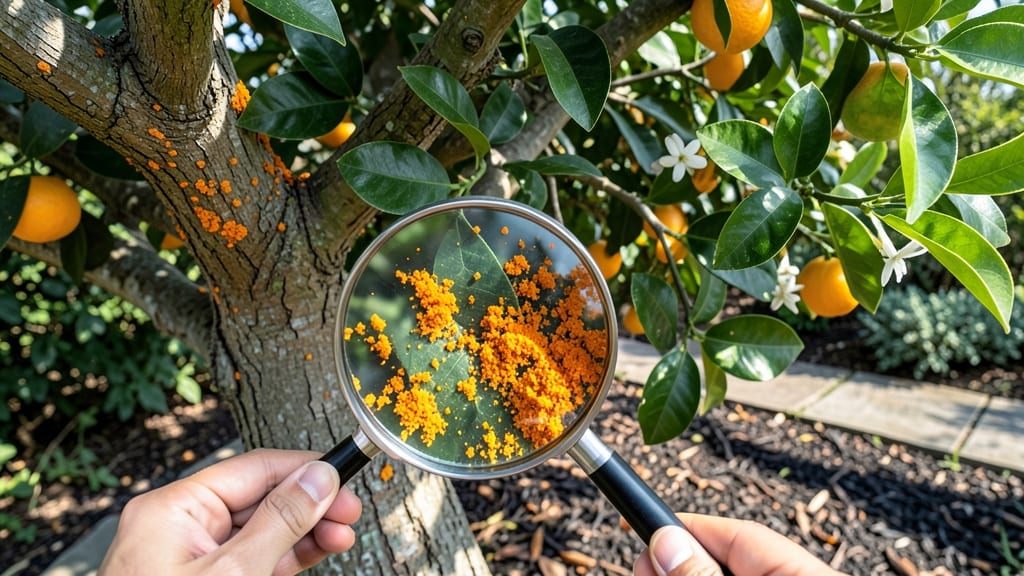
Those bright orange pustules on your tree bark aren’t just unsightly—they’re a fungal infection that spreads fast. 🌿 I’ve battled orange rust on junipers and apple trees, and the key to stopping it lies in early action, not just spraying.
The moment you spot those gelatinous galls or leaf spots, you’re already dealing with a spore factory waiting to infect nearby plants.
This isn’t just about pruning infected branches (though that’s step one). The real fix comes from understanding how rust fungi like Gymnosporangium thrive—moist bark, crowded trees, and weak immunity.
My 3-step organic fix cuts the cycle without harsh chemicals, and it works even if you’ve tried store-bought sprays before. The secret? Timing and targeting the right spots.
By the end, your trees will look healthier than ever, with no more orange pustules marring the bark. You’ll know exactly which branches to remove, when to spray, and how to prevent next year’s outbreak.
No more guessing—just clear, practical steps that actually work. Let’s get your trees back to their best.
Whether you’re dealing with junipers, apple trees, or hawthorns, this method adapts to your yard. The tools you need are simple: pruners, a hose, and a few organic sprays you can mix at home. No fancy equipment, just smart gardening. Ready to reclaim your trees?
Root Causes of Rusty Bark Spots
If you’ve spotted that unsettling orange-red rust creeping across your tree’s bark, you’re likely dealing with a fungal infection—often caused by Gymnosporangium or Puccinia species. But why does this happen in the first place?
The answer lies in a mix of environmental triggers, tree stress, and fungal life cycles. Let’s break down the key culprits behind this unsightly (and potentially harmful) issue.
The primary driver of rust on tree bark is the presence of fungal spores in the environment. These microscopic spores hitchhike on wind, rain, or even wildlife, landing on susceptible trees.
Once they find a host—especially cedar, juniper, or apple trees—they germinate and penetrate the bark or leaves, setting off the infection cycle.
Key triggers:
- 🌪️ Wind currents spread spores over long distances, making rust a common issue in wooded or suburban areas.
- 💧 Rain or high humidity activates spores, increasing infection rates during wet springs or fall seasons.
- 🐦 Wildlife (birds, squirrels, or insects) can carry spores from infected to healthy trees.
Pro tip: 🌡️ Monitor local weather patterns—rust outbreaks often spike after prolonged rainy periods or during temperature shifts (50–70°F is prime spore germination time).
Healthy trees resist fungal attacks, but stress makes them vulnerable entry points. When trees are weakened by drought, poor soil, pests, or physical damage, their bark becomes an easy target for rust fungi.
Common stress factors:
- 💧 Drought or overwatering disrupts nutrient uptake, leaving bark dry or waterlogged—both conditions invite fungal growth.
- 🌿 Nutrient deficiencies (especially nitrogen or potassium) weaken cell walls, making them easier for spores to breach.
- 🐜 Pest infestations (e.g., bark beetles or aphids) create wounds that fungi exploit.
- 🪓 Physical damage from storms, tools, or animals opens gates for infection.
Actionable fix: ✨ Improve tree health with regular watering, mulching, and balanced fertilization. Prune dead branches to reduce entry points.
Rust fungi thrive in specific environmental sweet spots. If your tree’s habitat matches these conditions, outbreaks are inevitable. Here’s what fuels the problem:
| Factor | Why It Matters | How to Adjust |
|---|---|---|
| 🌡️ Temperature | Spores germinate best between 50–70°F. Warmer spells accelerate growth. | Plant rust-resistant varieties or use shade cloth in hot climates. |
| 💦 Moisture | High humidity (>70%) keeps spores active. Wet bark is a fungal buffet. | Improve drainage, avoid overhead watering, and prune for airflow. |
| 🌿 Host Proximity | Rust often jumps between alternate hosts (e.g., cedar rust needs juniper to complete its cycle). | Remove infected alternate hosts (e.g., juniper bushes near apple trees). |
Pro tip: 🎯 Create an unfriendly environment—prune for sunlight penetration, reduce leaf litter (which traps moisture), and avoid planting susceptible trees too close together.
Understanding these causes is the first step to stopping rust in its tracks. Next, we’ll explore how to treat and prevent fungal spots naturally—without harsh chemicals.
How to Treat and Prevent Fungal Spots
Fungal infections like orange rust on tree bark can be frustrating, but with the right approach, you can restore your trees to health and keep them thriving. The key is to tackle the problem at its source—whether it’s excess moisture, poor air circulation, or weak tree defenses—and apply targeted solutions.
Below, we break down practical fixes based on the most common causes, along with prevention tips to keep your trees rust-free for years to come.
If your trees are sitting in soggy soil or getting too much water, fungal spores thrive in this damp environment. Here’s how to adjust:
- 🔥 Reduce Watering Frequency Let the top 2–3 inches of soil dry out between waterings. Stick your finger in the soil—if it’s damp, wait a day or two before watering again. Overwatering is a leading cause of fungal growth, so consistency is key.
- 👨🍳 Improve Soil Drainage Amend heavy or compacted soil with organic matter like compost or coarse sand. This helps water drain away from roots, reducing moisture buildup. For container-grown trees, ensure pots have drainage holes and use well-draining potting mix.
- 🥘 Raise Tree Bases (If Needed) If your trees are planted in low-lying areas where water pools, consider mounding soil around the base or installing a small drainage trench nearby. This keeps the bark dry and discourages fungal growth.
Fungal spores spread more easily in stagnant, humid air. Open up your trees’ environment with these steps:
- 🔪 Prune Overcrowded Branches Thin out dense foliage to allow sunlight and air to reach the inner bark. Focus on removing crossing branches or those rubbing against each other, as these are hotspots for moisture and fungal infection.
- 🌿 Space Trees Properly If trees are planted too close together, they compete for air and sunlight. Follow spacing guidelines for your tree species—typically, 15–25 feet apart for mature trees—to promote airflow.
- ⏰ Water Early in the Day Avoid watering in the evening or late afternoon, as wet leaves overnight create a humid microclimate perfect for fungal spores. Morning watering gives foliage time to dry before nightfall.
A healthy tree is less susceptible to fungal attacks. Give your trees the support they need to fight off infections:
- 💡 Apply Organic Fungicides Use a copper-based fungicide or neem oil spray (both effective against rust fungi) as a preventive measure. For existing infections, spray the affected areas every 7–10 days until the spots fade.
Mix 1 tablespoon of neem oil with 1 quart of water and a few drops of dish soap as a surfactant for better coverage.
- 🌡️ Fertilize for Vitality Weak trees are more vulnerable to disease. Use a balanced organic fertilizer (like 10-10-10) in early spring to boost growth. Avoid over-fertilizing with nitrogen, which can promote soft, susceptible new growth.
- ✨ Mulch Correctly Apply a 2–3 inch layer of wood chips or straw mulch around the base of the tree, but keep it 6 inches away from the trunk to prevent moisture from pooling against the bark. Mulch helps regulate soil temperature and retain moisture without suffocating the tree.
Once you’ve treated the problem, take these steps to prevent future outbreaks:
- 🎯 Monitor for Early Signs Regularly inspect your trees for orange or yellow spots, powdery textures, or discolored leaves. Catching rust early makes treatment much easier.
- 🌿 Clean Up Debris Remove fallen leaves, branches, and mulch from under trees, as these can harbor fungal spores over winter. Rake up debris and dispose of it in the trash (not the compost bin).
- 🍂 Avoid Wounding Bark Prune during the dormant season (late winter/early spring) to minimize stress. Use sterilized pruners to prevent introducing pathogens through fresh cuts.
- 🌧️ Plan for Rainy Seasons If you live in a humid or rainy climate, consider installing tree guards or drip irrigation to control water distribution. Even a simple plastic tree collar can shield the trunk from splashing water.
By addressing the root causes—literally and figuratively—you’ll give your trees the best chance to recover and stay healthy. With consistent care, those unsightly orange spots will fade, and your trees will be back to their vibrant best!
Frequently asked questions
What do those orange pustules on my tree bark actually mean?
Those bright orange spots are a fungal infection called rust, often caused by spores from Gymnosporangium or Puccinia species. The gelatinous galls or leaf spots you see are the fungus's reproductive structures, releasing more spores to spread the disease. Don't panic—it's treatable, especially if caught early!
Can orange rust kill my tree?
While severe infections can weaken trees over time, rust rarely kills healthy mature trees. The real danger comes from repeated infections that stress the tree, making it vulnerable to other pests or diseases. Focus on treatment to prevent long-term damage and keep your tree thriving.
How do I know if my tree has rust vs. something else?
True rust shows distinctive orange-red pustules on bark or leaves, often with yellow halo spots. Other issues to rule out: lichen (gray-green, harmless), mildew (powdery white), or insect damage (holes/frass). Rust also appears seasonally—spores activate in spring/fall when moisture is high.
Will removing infected branches stop the spread?
Yes, but with proper technique! Prune at least 6 inches below visible rust spots using sterilized tools to prevent cross-contamination. Bag and dispose of infected branches immediately—don't compost them. This removes the spore source and helps break the infection cycle.
Are there organic fungicides that actually work?
Mix 1 tablespoon neem oil with 1 quart water and a few drops of dish soap for a natural spray. For existing infections, apply every 7-10 days until new growth appears. Copper-based sprays (like copper sulfate) are also effective—just follow package instructions carefully.