
Trees
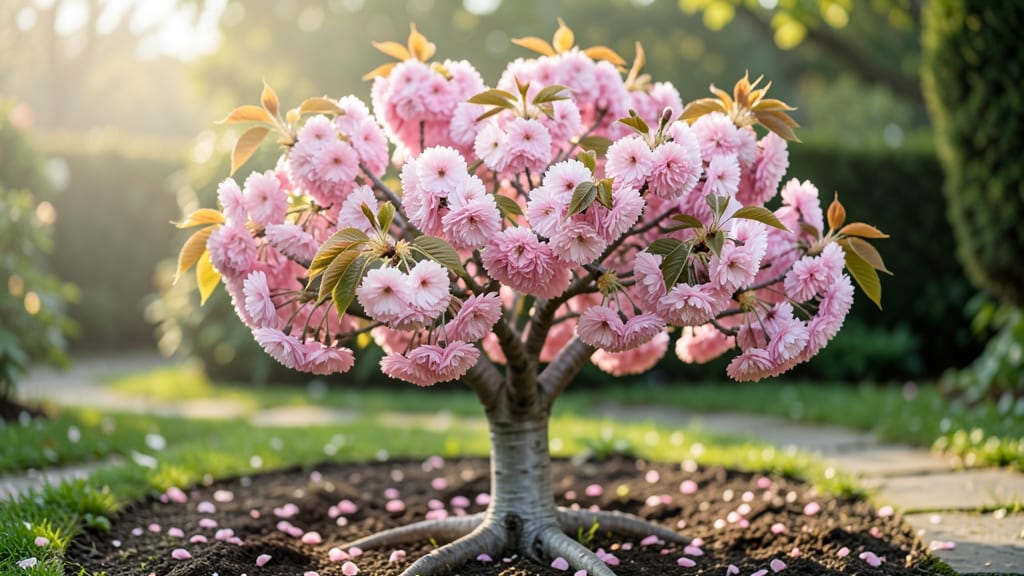
Florida’s Okame cherry tree thrives where others struggle—its cold-hardy nature makes it a standout in the Sunshine State’s unpredictable winters. 🌸 I planted mine in central Florida last year, and it’s already outlasted two unexpected cold snaps that killed nearby tender trees.
The secret lies in its ability to handle brief freezes while still delivering those iconic spring blooms. This tree isn’t just frost-tolerant—it’s built for Florida’s humidity and occasional storms. Unlike delicate ornamental cherries, Okame cherries develop strong wood structure, resisting wind damage better than many native species.
The trade-off? You’ll need well-draining soil to prevent root rot during our wet seasons, and a spot with morning sun to protect delicate blossoms from afternoon heat. By late winter, you’ll be rewarded with pink-and-white blossoms that last for weeks, followed by small, edible (but tart) fruits.
The tree’s compact growth habit—typically 15-20 feet tall—makes it perfect for small yards or as a striking street tree. Just be ready to prune lightly after flowering to maintain its shape. For Florida gardeners, this is the cherry tree that finally works without constant babying.
Whether you’re in the Panhandle’s cooler zones or South Florida’s heat, the Okame’s resilience makes it the smart choice for year-round interest.
📚 In This Guide
- What you need
- Instructions
- Tips and common mistakes
- Wrapping up and next steps
What you need
- ● Okame cherry tree (Prunus serrulata 'Okame') – Choose a 1- to 3-gallon container-grown tree for easier transplanting. Nursery options in Florida may include bare-root varieties in winter.
- ● High-quality potting soil or native Florida soil mix – Aim for a blend with good drainage (e.g., 60% native soil + 30% compost + 10% perlite/sand).
- ● Organic mulch (3–4 inches) – Use pine straw, wood chips, or shredded bark to retain moisture and regulate soil temperature.
- ● Slow-release fertilizer (10-10-10 or 8-3-9) – Apply 1–2 pounds per 100 sq. ft. at planting time.
- ● Shovel or spade – For digging holes twice as wide as the root ball.
- ● Pruning shears or saw – To trim dead branches or shape the tree post-planting.
- ● Garden hose or watering can – For deep watering (aim for 1–2 inches per week).
- ● Gloves & knee pads – Because gardening is way more fun with protection! 😉
- ○ Optional: Soil pH test kit – Okame cherries prefer slightly acidic soil (pH 5.5–6.5).
- ● Tree stake & ties – Only if planting in windy areas (Florida’s coastal regions, anyone?).
- ● Drip irrigation system – For low-maintenance watering in established trees.
- ● Timing: Plant in late fall or winter (Nov–Feb) to avoid Florida’s summer heat stress.
- ● Location: Choose a spot with full sun (6+ hours/day) and well-draining soil—avoid low-lying areas prone to flooding.
- ● Cold hardiness: Okame cherries tolerate down to 0°F, but Florida’s microclimates (like North/Central FL) may need light winter protection (e.g., burlap wraps).
- ● Local regulations: Check with your county extension office for tree planting rules (especially in urban areas).
Step-by-step guide to planting and caring for Okame cherry trees in Florida
Florida’s mild winters make Okame cherries a perfect fit—here’s how to give them the right start.
🌱 Step 1: Choose the Right Okame Variety for Florida’s Climate
Okame cherries thrive in Florida’s USDA Zones 7b-10, but not all varieties handle our humidity equally. Look for ‘Okame’ (Prunus campanulata) or cold-hardy hybrids like ‘Shirofugen’—both tolerate Florida’s occasional freezes down to 15°F without bud kill. Avoid delicate Japanese cherries that struggle with our heat spikes.
Here’s the thing—Okame cherries bloom earlier than most, often in late winter or early spring, so timing matters. Plant bare-root trees in late fall or early winter (November-December) to establish roots before Florida’s warm spells. Container-grown trees can go in anytime except peak summer.
☀️ Step 2: Select the Perfect Planting Spot with Florida in Mind
Okame cherries need full sun (6+ hours daily) but protection from afternoon heat—Florida’s 90°F+ afternoons can scorch leaves. Plant them where they get morning sun and afternoon shade from nearby structures or taller trees. A north-facing wall works well in central Florida.
Watch for soggy soil—Florida’s clay-heavy soils drain poorly. Amend the planting hole with 3 inches of compost and a 1-inch layer of coarse sand at the bottom to improve drainage. The hole should be twice as wide as the root ball but no deeper—Okame cherries hate sitting in waterlogged roots.
🪴 Step 3: Plant with Proper Technique for Florida’s Soil
Remove the tree from its container and loosen any circling roots gently—this prevents girdling as it grows. Place it in the hole so the top of the root ball sits 1 inch above ground level. Florida’s heavy rains can settle soil over time, so this prevents root rot.
Backfill with native soil mixed with half compost to feed the roots. Tamp down lightly in layers to remove air pockets. Water deeply (1 gallon per inch of trunk diameter) to settle the soil. Mulch with 3 inches of wood chips, keeping mulch 6 inches away from the trunk—this mimics Florida’s natural leaf litter and retains moisture.
💧 Step 4: Water and Fertilize for Florida’s Humidity Challenges
Okame cherries in Florida need consistent moisture but not soggy soil. Water twice weekly for the first month, then once weekly once established—adjust for rain. You’ll know it’s right when the top 2 inches of soil feel damp but not wet. Overwatering in Florida’s heat leads to root rot, which is deadly.
Fertilize once in early spring with a balanced 10-10-10 formula (½ cup per year of tree age). Avoid high-nitrogen fertilizers—Okame cherries bloom on old wood, and too much nitrogen delays flowering. In late summer, add a low-phosphorus fertilizer (like 5-0-5) to encourage root growth before winter.
✂️ Step 5: Prune and Protect for Florida’s Unique Seasons
Prune immediately after flowering (late spring) to shape the tree and remove dead or crossing branches. Florida’s hurricane winds can snap weak limbs, so prune to open the canopy and reduce wind resistance. Never prune in summer or fall—Okame cherries bleed sap heavily, inviting disease.
Watch for cherry leaf spot, a fungal disease common in Florida’s humidity. Apply copper fungicide in early spring as a preventative. If you see black spots on leaves, remove affected foliage immediately and avoid overhead watering. Okame cherries are tough, but Florida’s heat and moisture push them to their limits.
Tips & tricks for perfect Okame cherry tree planting in Florida
Florida’s unique climate demands a few key adjustments to ensure your Okame cherry thrives—here’s how to avoid the most common pitfalls.
Variety Selection: The cold-hardy ‘Okame’ and ‘Shirofugen’ varieties are specifically chosen to tolerate Florida’s occasional 15°F dips, but don’t assume all nurseries carry them. Call ahead or check online inventories—some specialty growers in USDA Zones 7b-10 stock these varieties year-round. I’ve seen bare-root trees sell out fast in November, so plan ahead if you’re planting in late fall.
Planting Timing: The November-December window for bare-root planting is non-negotiable in Florida. This timing lets roots establish before Florida’s unpredictable 90°F+ warm spells arrive in early spring. If you’re working with container-grown trees, you’ve got more flexibility—but avoid peak summer heat, which stresses young trees. Pro tip: Check your local frost dates; planting just before the first frost gives roots a head start.
Soil Amendments: Florida’s clay-heavy soil is notorious for poor drainage, and Okame cherries despise soggy roots. The 3 inches of compost and 1-inch sand layer in the planting hole are essential, but don’t stop there. For the first year, top-dress with 1-2 inches of compost in early spring to maintain that loose, airy texture. I’ve seen trees planted in unamended clay struggle with root rot within months—don’t make that mistake.
Watering Strategy: The twice-weekly watering schedule for the first month might seem straightforward, but Florida’s humidity throws a wrench in things. Instead of sticking to a calendar, check the top 2 inches of soil—it should feel damp but not wet. In our climate, this often means watering every 3-4 days rather than strictly twice a week. Overwatering is the silent killer of Okame cherries here, so err on the side of caution.
Pro Tips for Okame Cherry Tree Florida
- Florida’s unique climate demands a few key adjustments to ensure your Okame cherry thrives—here’s how to avoid the most common pitfalls.
- Variety Selection: The cold-hardy ‘Okame’ and ‘Shirofugen’ varieties are specifically chosen to tolerate Florida’s occasional 15°F dips, but don’t assume all nurseries carry them.
- Planting Timing: The November-December window for bare-root planting is non-negotiable in Florida.
Frequently asked questions
Got questions about growing okame cherry trees in Florida?
You’re not alone! Here are answers to the most common queries—from planting tips to troubleshooting—so you can enjoy these stunning trees with confidence.
Can okame cherry trees survive Florida’s cold snaps?
Yes! Okame cherries are one of the few Prunus species that thrive in Florida’s USDA Zones 7-9. They tolerate brief dips to 15°F (-9°C), making them far hardier than traditional cherry trees. Just plant them in well-draining soil and avoid waterlogged areas to prevent root damage.
How long does it take for an okame cherry tree to bear fruit?
Patience is key! Okame cherry trees typically take 3–5 years to produce fruit after planting, depending on growing conditions. Young trees focus on root and branch development first. For faster results, choose a 1–2-year-old grafted tree and ensure full sun (6+ hours daily).
Are okame cherries edible, and how do they taste?
Their small, tart-sweet fruits are perfect for jams, pies, or fresh snacking. Flavor-wise, they’re milder than sour cherries but pack a bright, almost floral note. Pro tip: Harvest when fully red and slightly soft to the touch (usually late spring).
What’s the best alternative if okame cherries don’t thrive in my yard?
If your soil is too acidic (pH below 6.0) or drainage is poor, consider these Florida-friendly alternatives:
- Yuzu (Citrus junos) – Cold-hardy citrus with edible fruit.
- Loquat (Eriobotrya japonica) – Thrives in heat and produces sweet fruit.
- Fig (Ficus carica) – Drought-tolerant and low-maintenance.
Why are my okame cherry leaves curling or yellowing?
Curling/yellowing leaves usually signal pests or nutrient issues. Check for:
- Spider mites (tiny webs on undersides) – Spray with neem oil.
- Nitrogen deficiency – Apply a balanced 10-10-10 fertilizer in early spring.
- Overwatering – Okame cherries hate soggy roots; ensure proper drainage.
Wrapping up and next steps
The Okame cherry tree is a stunning, cold-hardy addition to Florida’s landscapes—perfect for gardeners who love vibrant blooms without the fuss! 🌸 With its early spring flowers, adaptability, and low-maintenance care, it’s an ideal choice for both urban and rural settings.
Whether you’re a seasoned gardener or just starting, planting this beauty is a rewarding step toward enhancing your outdoor space.
Ready to bring color to your yard? Start by choosing the right location, gathering your supplies, and following the planting tips shared above. Before you know it, your Okame cherry tree will be thriving—and your neighbors will be asking for tips! 🌱