
Trees
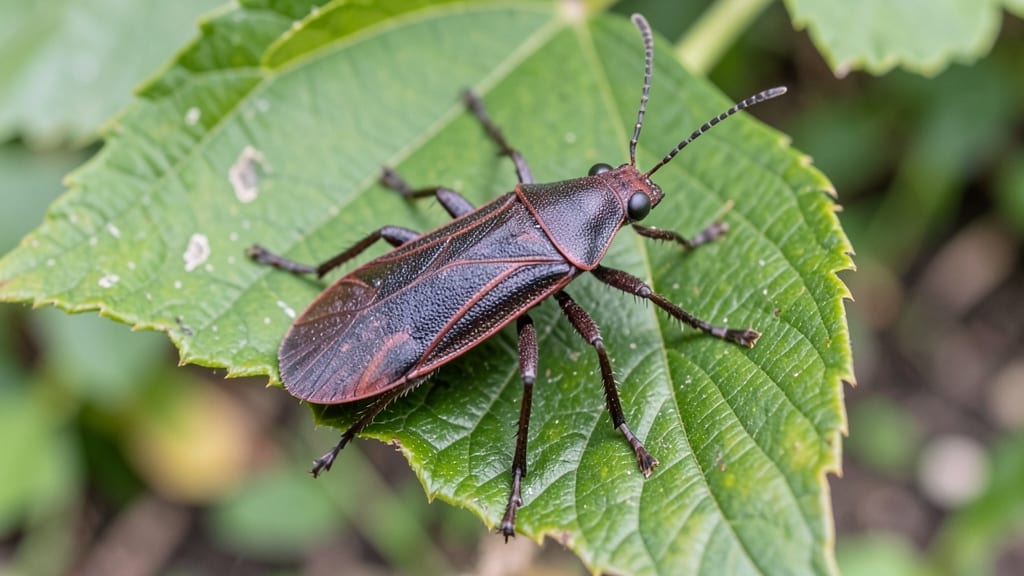
Mulberry tree bugs can turn your backyard shade tree into a pest battleground—unless you know the right predator-friendly tricks. 🌿 I’ve battled mulberry pyral moths, sticky scale insects, and aphid swarms, and learned that the best defense isn’t chemicals but a balanced ecosystem that keeps pests in check naturally.
The real problem isn’t just the bugs—it’s how they disrupt your tree’s health. Mulberry pyral moths chew through leaves, scale insects sap nutrients, and aphids weaken branches.
But here’s the good news: birds, ladybugs, and parasitic wasps actually want to eat these pests—you just need to create the right environment for them.
With the right timing and techniques, you’ll see fewer holes in leaves, less sticky residue on branches, and a tree that thrives without harsh sprays. The key is a mix of pruning, beneficial insect habitats, and targeted organic sprays—all while keeping your mulberry tree strong enough to fight back.
Whether you’re dealing with a new infestation or just want to prevent future problems, these methods work for both young saplings and mature trees. Let’s get your mulberry back to its full, bug-free glory—naturally.
Root Causes Of Mulberry Tree Pests
Understanding why mulberry trees attract pests starts with recognizing their natural appeal—and the vulnerabilities that come with it. Mulberry trees (Morus spp.) are nutrient-rich, fast-growing, and produce sweet fruit, making them a magnet for insects.
Below, we break down the key reasons these pests show up in your yard, from environmental triggers to tree health factors.
Mulberry trees, like all plants, rely on a robust immune system to fend off pests. When this system weakens, insects and mites take advantage. Here’s why it happens:
- Nutrient Deficiencies 🌿 Mulberries thrive on nitrogen, phosphorus, and potassium, but poor soil or over-pruning can starve them. Weak trees produce thinner leaves and softer bark—perfect snacks for sap-sucking pests like spider mites and aphids.
A quick soil test can reveal imbalances, and organic amendments (like compost or bone meal) can restore vigor.
- Water Stress 💦 Overwatering or drought weakens mulberries by disrupting root function. Stressed roots can’t transport nutrients efficiently, leading to stunted growth and pest susceptibility. Mulch the base of the tree to retain moisture and reduce fluctuations in soil hydration.
- Disease Pressure 🦠 Fungal infections (e.g., powdery mildew) or bacterial leaf spots create entry points for pests. For example, mulberry scale insects often infest trees already compromised by anthracnose. Prune infected branches immediately and apply copper fungicides as a preventive measure.
Mulberries are a buffet for insects when left unchecked. Their sweet, juicy fruit attracts:
- Fruit flies (adults lay eggs in overripe berries)
- Japanese beetles (devour leaves and fruit)
- Stink bugs (pierce fruit to feed on sap)
Why it happens:
- Overproduction 🍇: Heavy fruit loads exhaust the tree’s resources, making it easier for pests to overwhelm it.
- Harvest Delays ⏳: Leaving fruit on the tree past ripeness signals pests that a free meal is available.
- Physical Damage 🪓: Storms, hail, or animal scratches create wounds where pests can enter.
Actionable fix: Harvest mulberries regularly and remove fallen fruit to deprive pests of a food source.
Mulberry trees in the right (or wrong) environment become pest hotspots. These factors create perfect breeding grounds:
| Factor | How It Attracts Pests | Solution |
|---|---|---|
| Warm, Humid Climates 🌡️ | Spider mites and aphids thrive in heat (80°F+) with low humidity. | Install shade cloth or drip irrigation to moderate temperature. |
| Dense Canopy 🌳 | Shady, moist conditions under the tree encourage fungal pests like mealybugs. | Thin out branches to improve airflow. |
| Nearby Weeds 🌱 | Weeds host alternative pest populations (e.g., aphids on dandelions) that later migrate to mulberries. | Maintain a 3-foot weed-free zone around the tree. |
| Lack Of Beneficial Predators 🐝 | Without ladybugs, lacewings, or parasitic wasps, pest populations explode. | Plant companion flowers (e.g., marigolds) to attract natural enemies. |
Sometimes, we’re the reason pests show up.
Common human-related causes include: - Over-Fertilization 🌱: Excess nitrogen promotes lush foliage that pests love—but it also attracts whiteflies and leafhoppers. - Monoculture Plantings 🌿: Planting only mulberry trees (or other host plants) creates a pest paradise with no natural predators. - Ignoring Early Signs 🚨: Delaying action lets infestations spiral.
For example, mulberry pyralid moths (larvae that bore into branches) are easier to control when caught early.
Pro tip: 💡 Rotate crops (if growing mulberries commercially) and introduce diverse plantings to disrupt pest life cycles.
Quick Fixes for Tree Pests
When mulberry tree bugs—whether they’re sap-sucking insects, leaf-eating larvae, or wood-boring pests—start wreaking havoc, acting fast is key. The good news? You don’t need harsh chemicals to reclaim your tree’s health.
Below are targeted, predator-friendly solutions tailored to the most common culprits, along with prevention tips to keep your mulberry thriving long-term.
Cause: These sap-suckers cluster on leaves and branches, leaving behind sticky honeydew that attracts sooty mold.
How to Fix It:
- 🔥 Manual Removal (Early Stages): Wipe infested areas with a damp cloth or sponge dipped in 70% isopropyl alcohol (safe for most trees). Repeat weekly until gone.
- 🍳 Homemade Soap Spray: Mix 1 tbsp mild castile soap + 1 quart water in a spray bottle. Apply directly to pests (avoid overspraying leaves). Reapply after rain.
- 👨🍳 Sticky Traps: Hang yellow sticky traps near the tree to catch flying adults. Replace every 2–3 weeks for best results.
💡 Prevention Tip: Encourage ladybugs and lacewings—their larvae love eating scale. Plant dill, fennel, or marigolds nearby to attract them naturally.
Cause: Tent caterpillars or loopers munch on foliage, leaving skeletonized leaves and webs.
How to Fix It:
- 🔪 Handpick Larvae: Drop them into soapy water (1 tsp dish soap per gallon) to kill them instantly. Do this early in the morning when they’re sluggish.
- 🥘 Bacillus thuringiensis (Bt): Spray Bt kurstaki (a natural bacteria) on leaves. It’s safe for bees and pets but kills caterpillars within 48 hours. Reapply after rain.
- 🌡️ Prune & Burn: Remove heavily infested branches and dispose of them in a sealed trash bag (don’t compost!).
🎯 Prevention Tip: Thin out dense foliage to improve airflow—caterpillars thrive in shady, humid conditions. A well-pruned mulberry is less inviting!
Cause: Beetles like mulberry bark beetles bore into branches, weakening the tree and creating exit holes.
How to Fix It:
- ⏰ Early Detection: Check for sawdust-like frass or small holes in bark. Act before the tree shows wilting or dieback.
- 🔪 Prune Infested Branches: Cut 6 inches below the damage and sterilize pruners with rubbing alcohol. Burn or bag the wood (don’t leave it in the yard).
- 🛡️ Seal Entry Points: Apply beeswax or horticultural sealant to fresh cuts to deter new borers.
✨ Prevention Tip: Keep your mulberry healthy and stress-free—water deeply during droughts and mulch properly to retain moisture. Stressed trees attract more pests!
No matter the pest, a strong mulberry tree fights back better. Try these year-round habits: - 💧 Water Deeply: 1–2 inches per week (more in extreme heat).
Shallow watering stresses roots. - 🌱 Fertilize Smartly: Use a balanced, organic fertilizer (like compost or fish emulsion) in early spring. - 🌿 Companion Planting: Surround your mulberry with garlic, rosemary, or thyme—their strong scents repel many pests.
Final Reminder: Always monitor your tree weekly during peak pest seasons (spring/summer). The sooner you act, the easier it is to keep bugs at bay without chemicals! 🌿🐞
Frequently asked questions
What are the most common bugs that attack mulberry trees?
The top culprits include mulberry pyralid moths (larvae bore into branches), scale insects (leave sticky honeydew), aphids (cluster on new growth), and Japanese beetles (skeletonize leaves). Early identification is key—check for chewed leaves, webbing, or black sooty mold on bark.
How do I know if my mulberry tree has a serious infestation?
Watch for 50%+ leaf damage, sawdust-like frass (borer sign), or large sticky residue (scale/aphid honeydew). If you see wilting branches or dieback, the infestation may have spread—act quickly with targeted treatments like Bt spray or pruning.
Are there natural predators that can help control mulberry pests?
Ladybugs, lacewings, and parasitic wasps eat aphids and caterpillars. Attract them by planting marigolds, dill, or fennel nearby. Birds also help—install a bird feeder to encourage insect-eating species like robins and blue jays.
Can I use neem oil on mulberry trees to kill bugs?
Yes, but use it early in the morning on a calm day to avoid harming bees. Mix 1 tbsp neem oil + 1 tsp mild soap per quart of water and spray directly on pests (avoid overspraying leaves). Reapply every 7–10 days or after rain. Best for aphids, scale, and mites.
Will pruning my mulberry tree help prevent bugs?
Yes! Prune in late winter to remove dead/diseased branches and improve airflow. Thin out dense foliage to reduce humidity (which pests love). Always sterilize pruners with rubbing alcohol to prevent spreading fungal/bacterial issues.