
Pruning
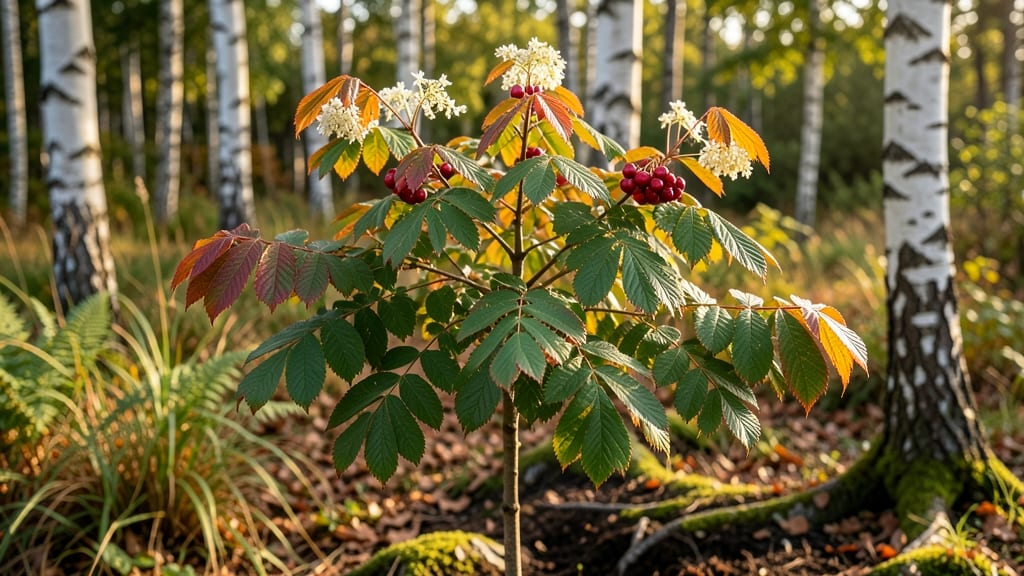
Mountain ash tree leaf identification is easier than you think once you spot their signature features—pinnately compound with 5-7 tooth-edged leaflets that turn fiery red in fall. 🌿 I’ve spent years mistaking them for rowan or serviceberry until I learned the telltale "feathered" arrangement and bright orange berries that persist into winter.
That one detail saved my garden from pruning the wrong tree last spring.
The key differences start with the leaflets: mountain ash leaves have serrated edges and a pointed tip, while rowan leaves are smoother with a rounded end. Check the bark too—mountain ash has scaly, grayish plates that flake off, unlike the smoother bark of serviceberry.
If you’re still unsure, look for the berries: mountain ash’s orange-red clusters stay on the tree well past frost.
You’ll feel confident identifying them after checking just three features: leaflet shape, bark texture, and berry color. The leaves alone won’t fool you once you notice how they fan out from the stem like a feather. No more second-guessing when you’re out trimming or admiring your yard’s fall colors.
For tricky cases, snap a photo and compare it to local tree guides—mountain ash grows best in moist, well-drained soil and thrives in USDA zones 3-6.
If your tree checks all the boxes but lacks berries, it might be a young specimen or a male tree (which don’t produce fruit). Double-check with a nearby nursery or forestry extension office for verification.
Understanding Leaf Changes in Mountain Ash
Mountain ash trees (Sorbus spp.) are prized for their vibrant foliage and striking berries, but leaf abnormalities can signal underlying issues. To properly identify and address problems, it’s essential to understand the why behind common leaf changes.
Below, we break down the most frequent causes—from environmental stressors to pests—with clear explanations and actionable insights.
Mountain ash trees are resilient, but extreme conditions can cause leaf discoloration, curling, or premature drop. Here’s how environmental factors play a role:
- 🔥 Heat Stress & Drought - Why it happens: Mountain ash leaves are adapted to moderate climates.
Prolonged heat (especially above 85°F/30°C) or drought forces the tree to conserve water by closing stomata (leaf pores), leading to: - Brown or scorched edges (like paper burning). - Premature leaf drop to reduce water loss. - Yellowing between veins (a classic drought symptom). - Actionable fix: Deep water 1–2 times per week during dry spells, and mulch the root zone to retain moisture.
Avoid overhead watering, which can encourage fungal issues.
- ❄️ Cold Damage & Winter Burn - Why it happens: Mountain ash trees are hardy (USDA Zones 3–7), but sudden freezes, windburn, or late spring frosts can damage tender new growth.
Signs include: - Brown, crispy leaf edges (from desiccation in winter). - Blackened or wilted leaves after a hard freeze. - Delayed spring foliage if buds are killed. - Actionable fix: Protect young trees with burlap wraps in winter, and avoid pruning in late summer/fall (which stimulates new growth vulnerable to frost).
- 💧 Overwatering & Poor Drainage - Why it happens: Mountain ash trees prefer well-drained soil.
Soggy conditions lead to: - Yellowing leaves with brown spots (fungal infections like Phytophthora). - Wilting despite wet soil (root rot blocking water uptake). - Leaf drop as the tree struggles to photosynthesize. - Actionable fix: Improve drainage with sand or compost, and water only when the top 2 inches of soil are dry.
Avoid planting in low-lying areas where water pools.
Insects and mites often go unnoticed until leaves show damage. Here’s how they attack—and how to stop them:
- 🐛 Mountain Ash Sawfly Larvae (🔍 Caliroa cerasi) - Why it happens: These green, worm-like larvae skeletonize leaves (eat tissue between veins), leaving a lacy pattern.
They thrive in shady, moist conditions and can defoliate trees in one season. - Actionable fix: - Handpick larvae (drop them in soapy water) in early summer. - Apply neem oil or Bt (Bacillus thuringiensis) as a natural pesticide. - Prune and destroy heavily infested branches.
- 🕷️ Spider Mites (🔍 Tetranychus urticae) - Why it happens: These tiny, web-spinning pests thrive in hot, dry weather.
They suck sap, causing: - Stippling (tiny white/yellow dots). - Bronzing or silvering of leaves. - Fine webbing on undersides. - Actionable fix: - Blast leaves with water (disrupts webbing). - Use horticultural oil or insecticidal soap (reapply every 5–7 days). - Increase humidity with a sprinkler or mulch to deter them.
- 🐛 Scale Insects & Aphids - Why it happens: These sap-sucking pests (often on leaf undersides) excrete sticky honeydew, attracting sooty mold.
Symptoms include: - Stunted growth (from nutrient loss). - Black, fuzzy mold on leaves. - Curled or distorted leaves. - Actionable fix: - Knock off pests with a strong water spray. - Apply soapy water or pyrethrin-based sprays (organic option). - Ladybugs and lacewings (natural predators) can be introduced.
Diseases often start subtly but can spread rapidly. Recognize these red flags:
- 🍄 Fire Blight (Erwinia amylovora)
- Wilting and dieback of branches.
- Sooty, sticky ooze from infected areas.
It weakens the tree’s ability to photosynthesize. - Actionable fix: - Space trees for better airflow. - Spray with baking soda solution (1 tsp baking soda + 1 quart water + dish soap) or sulfur fungicide. - Avoid overhead watering.
Yellowing or discolored leaves can signal nutrient imbalances. Here’s how to decode them:
| Symptom | Likely Cause | Solution |
|---|---|---|
| Yellow leaves (veins stay green) | Nitrogen deficiency | Apply balanced fertilizer (10-10-10) in early spring. Add compost. |
| Yellow between veins | Iron deficiency (chlorosis) | Use chelated iron or sulfur (for alkaline soil). Mulch with pine needles. |
| Purple/red stems & leaves | Phosphorus deficiency | Apply bone meal or rock phosphate in fall. |
| Small, dark green leaves | Potassium deficiency | Use wood ash or potassium sulfate in late summer. |
- 🌿 Monitor regularly: Check leaf undersides and new growth weekly for early signs.
- 🌧️ Water deeply but less often: Mountain ash prefers consistent moisture, not soggy soil.
- ✂️ Prune strategically: Remove dead/diseased branches in late winter/early spring (before buds swell).
- 🌱 Test your soil: Use a home test kit to check pH/nutrients—mountain ash prefers slightly acidic to neutral (6.0–7.0).
Quick Fixes for Common Leaf Issues
Identifying your mountain ash tree’s leaves is just the first step—now let’s tackle the common problems that might be stressing them out. Whether it’s discoloration, pests, or disease, these practical solutions will help restore your tree’s health.
Below, we’ve mapped out the most frequent issues and their fixes, plus prevention tips to keep your mountain ash thriving.
Cause: Overwatering, nutrient deficiency, or fungal infections (like leaf spot). Fix:
- 💧 Adjust watering habits: Mountain ash trees prefer well-draining soil. Water deeply but infrequently—about 1-2 inches per week. Avoid soggy roots by improving drainage with organic mulch.
- 🌱 Feed your tree: Apply a balanced, slow-release fertilizer in early spring to replenish nutrients. Look for one with equal parts nitrogen, phosphorus, and potassium (e.g., 10-10-10).
- 🧼 Treat fungal issues: If leaf spot is suspected, prune and dispose of infected leaves. Apply a copper fungicide (follow label instructions) to prevent spread.
Prevention Tip: 💡 Aerate the soil annually to improve root health and reduce waterlogging.
Cause: Sap-sucking pests weaken leaves, causing curling, stippling, or sticky residue (honeydew). Fix:
- 🚿 Blast off pests: Use a strong stream of water to dislodge aphids or spider mites from leaves and stems. Repeat every few days for severe infestations.
- 🌿 Natural predators: Introduce beneficial insects like ladybugs or lacewings, which feed on pests. Buy them from garden centers or attract them with nectar-rich plants.
- 🧴 Chemical control (last resort): For heavy infestations, use horticultural oil or insecticidal soap. Avoid broad-spectrum pesticides, as they can harm beneficial insects.
Prevention Tip: ✨ Prune your tree regularly to improve airflow, making it less hospitable for pests.
Cause: Environmental stress (drought, extreme heat/cold), transplant shock, or root damage. Fix:
- 🌡️ Monitor conditions: Mountain ash trees thrive in partial shade. If planted in full sun, provide afternoon shade during heatwaves. Mulch the base to regulate soil temperature.
- 💧 Deep watering: During droughts, water deeply once a week rather than shallowly daily. Use a soaker hose to deliver moisture directly to the roots.
- 🌳 Check for root issues: If the tree was recently transplanted, ensure roots weren’t damaged. Amend the soil with compost to promote recovery.
Prevention Tip: 🎯 Plant mountain ash trees in early spring or fall to avoid transplant shock during extreme weather.
Cause: Humid conditions, poor air circulation, or contaminated tools. Fix:
- ✂️ Prune strategically: Remove and destroy infected leaves immediately. Sterilize pruning tools with rubbing alcohol between cuts.
- 🌬️ Improve airflow: Thin out dense branches to reduce humidity around the foliage. Avoid overhead watering, which can spread spores.
- 🍄 Fungicide application: Use a preventative fungicide (like neem oil or copper-based sprays) every 2-3 weeks during wet seasons.
Prevention Tip: 🔥 Space trees at least 15-20 feet apart to minimize fungal spread.
- 🍂 Mulch properly: Apply 2-3 inches of organic mulch (like wood chips) around the base, keeping it 6 inches away from the trunk.
- 🌱 Prune in late winter: Remove dead, diseased, or crossing branches to encourage new growth.
- 📅 Regular inspections: Check leaves monthly for early signs of trouble—catching issues early makes fixes easier!
Pro Tip: 💡 If you’re unsure about a leaf issue, snap a photo and compare it to online resources (like the University of Maine’s tree pest guide) before treating. Misdiagnosing can worsen problems!
Frequently asked questions about mountain ash tree leaf identification
How do mountain ash leaves differ from rowan or serviceberry leaves?
Mountain ash leaves have 5-7 serrated leaflets arranged in a feather-like pattern along a central stem, while rowan leaves are smooth-edged and rounded with 5-7 leaflets too—but they lack the jagged edges. Serviceberry leaves are simple (single leaf) with finely toothed edges, not compound. Check the bark too: mountain ash has scaly, grayish plates that flake off.
Why do some mountain ash leaves turn red in fall while others stay green?
This happens due to uneven sunlight exposure or nutrient imbalances. Leaves in full sun turn red first as they produce more anthocyanins (pigments). If some leaves stay green, check for iron deficiency (yellowing between veins) or shade stress. Mulch with pine needles or apply chelated iron to fix it.
Can I identify mountain ash trees by their leaves alone, or do I need to see the berries?
Leaves are a great start, but berries confirm it! Mountain ash produces bright orange-red clusters that persist into winter, while rowan berries are red and waxy. If your tree lacks berries, it might be a young specimen (under 5-7 years old) or a male tree (which don’t produce fruit). Check the bark and leaf arrangement as backup clues.
What’s the best time of year to identify mountain ash trees by their leaves?
Late spring to early summer (May-June) is ideal when leaves are fully mature but before fall colors confuse identification. In winter, look for persistent berries or bud scales (small, overlapping brown structures). Avoid autumn when leaf colors overlap with other species.
Are mountain ash leaves toxic to pets if ingested?
Yes, mountain ash leaves (and berries) contain cyanogenic glycosides, which can cause mild stomach upset in pets if eaten in large quantities. Symptoms include vomiting or diarrhea. While not typically fatal, keep pets away from fallen leaves or fruit clusters. For severe reactions, contact your vet immediately.