
How To
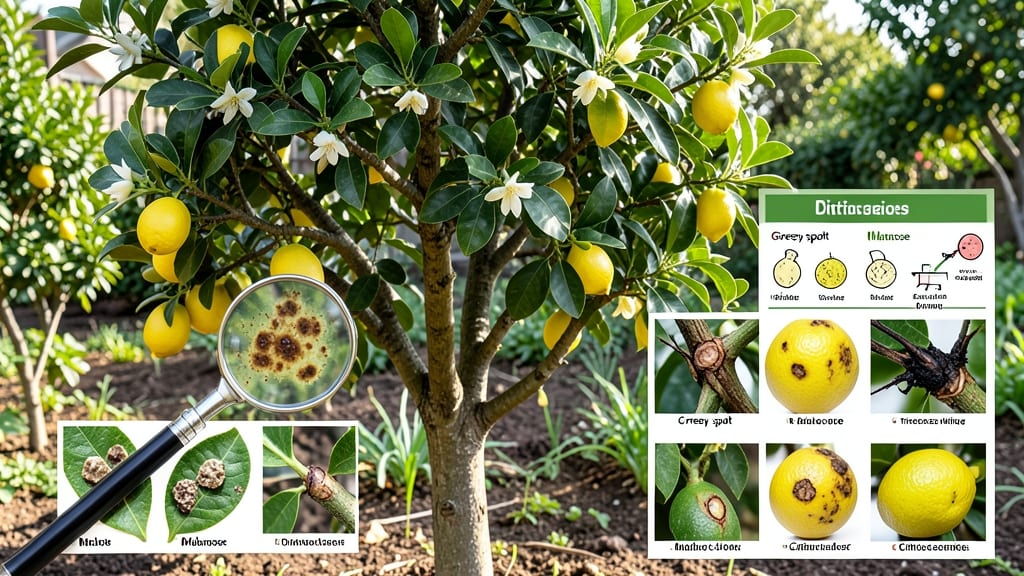
How to identify citrus tree diseases—that’s the first step to saving your grove before fungal invaders turn your lemon tree into a sad, spotted mess. I’ve seen citrus canker spread in just weeks, transforming vibrant leaves into a crusty, cracked nightmare, until I learned to spot the early warnings. The key is acting fast: raised lesions, oily leaf spots, or stems that ooze when touched aren’t just cosmetic—they’re red flags that can kill your tree if ignored.
Most of these diseases thrive in warm, wet conditions—think summer storms or overwatered soil. Greasy spot, for example, starts as tiny yellow dots that grow into greasy black rings, while citrus canker creates crusty, scab-like bumps that crack open.
Root rot, on the other hand, hides underground until your tree wilts despite consistent watering. The good news? All of them respond to early action, whether it’s pruning infected branches or adjusting your watering schedule.
You’ll learn to diagnose each disease by its unique fingerprint—like the raised, water-soaked edges of canker or the copper-colored spots of melaleuca gall. Prevention is simpler than you think: proper spacing, copper fungicides, and avoiding overhead watering can slash your risk by 80%.
By the end, you’ll know exactly when to call in a pro (usually when the trunk starts rotting or the whole canopy looks sickly).
This isn’t about memorizing Latin names—it’s about trusting your eyes and acting before the tree’s health takes a nosedive. We’ll cover the seven most common blights, their telltale signs, and the exact steps to stop them in their tracks. No panic, just practical fixes for a thriving citrus tree.
Root Causes Behind Citrus Tree Ailments
Citrus trees are resilient, but their health can quickly spiral when faced with the wrong conditions. Understanding why these diseases strike is the first step to prevention. Below, we break down the key factors that turn your lush citrus grove into a battleground for pathogens.
Citrus trees thrive in warm, humid climates, but when weather veers too far from ideal, diseases like citrus canker and melanose seize the opportunity.
- Excessive Rainfall or High Humidity: Pathogens like Xanthomonas citri (the bacterium behind citrus canker) spread rapidly in wet conditions. Prolonged leaf wetness—especially above 75% humidity—creates the perfect breeding ground for fungal spores. Alternaria and Phytophthora also thrive when trees can’t dry out.
- Temperature Swings: Sudden drops below 50°F (10°C) weaken citrus trees, making them susceptible to greasy spot and scab diseases. Conversely, extreme heat (above 95°F/35°C) stresses trees, reducing their natural defenses.
- Poor Air Circulation: Dense foliage or overcrowded groves trap moisture, slowing evaporation. This stagnant, damp environment is a magnet for fungal spores like Penicillium, which causes green mold on fruit.
💡 Pro Tip: Prune trees to improve airflow, and avoid overhead irrigation—water at the base instead to keep leaves dry.
Citrus trees demand balanced nutrition and well-draining soil. When these are lacking, diseases exploit the weakness.
- Nutrient Deficiencies: A lack of zinc, magnesium, or nitrogen stunts growth, making trees more vulnerable to citrus blight and root rot. For example, Phytophthora (a water mold) attacks weakened roots in waterlogged, compacted soil.
- Excessive Fertilizer Use: Over-fertilizing—especially with high nitrogen—burns roots and attracts fungal infections like anthracnose. Salt buildup from poor-quality fertilizer also stresses trees, lowering their resistance.
- pH Imbalances: Citrus trees prefer a slightly acidic soil (pH 6.0–7.0). Soil that’s too alkaline (high pH) locks out essential nutrients like iron and manganese, weakening the tree’s immune system.
💡 Pro Tip: Test your soil every 2–3 years and amend with compost, sulfur (to lower pH), or organic matter to improve structure and fertility.
Some diseases don’t act alone—they hitch a ride on insects, mites, or other pathogens. These unwelcome guests create wounds or spread spores directly.
- Sap-Sucking Insects: Citrus leafminers and scale insects weaken trees by feeding on sap, leaving them open to sooty mold (a black fungal growth that thrives on their honeydew).
- Root-Feeding Pests: Citrus nematodes and grubs damage roots, making trees susceptible to Fusarium wilt and Armillaria root rot. Weak roots struggle to absorb water and nutrients, accelerating decline.
- Fungal Hitchhikers: Some diseases, like citrus tristeza virus (CTV), spread via aphids. Others, like botrytis fruit rot, enter through wounds caused by bird pecking or improper harvesting.
💡 Pro Tip: Monitor for pests regularly, and use neem oil or horticultural oil to control soft-bodied insects before they invite fungal guests.
Sometimes, the problem isn’t nature—it’s us. Poor sanitation and handling mistakes introduce pathogens directly into your grove.
- Dirty Pruning Tools: Bacteria and fungi like Xanthomonas and Alternaria cling to unsterilized shears, spreading from tree to tree when you prune. A single cut can introduce disease into fresh wounds.
- Infected Grafts or Nursery Stock: Buying citrus trees from unreliable sources may mean bringing home hidden diseases like citrus variegated chlorosis (CVC) or huanglongbing (HLB), which are nearly impossible to cure.
- Improper Sanitation: Walking through groves with disease-contaminated boots or using unwashed containers for propagation spreads pathogens. Even rainwater runoff from infected trees can carry spores to healthy ones.
💡 Pro Tip: Always sterilize tools with rubbing alcohol (70%+) between trees, and quarantine new plants for 30 days before introducing them to your grove.
Fixing Citrus Tree Diseases: Step-by-Step Solutions
Once you’ve spotted the problem, it’s time to act! Citrus trees are resilient, but early intervention is key to saving your harvest. Below, we’ve mapped out practical, actionable fixes for each disease, along with prevention tips to keep your trees thriving.
Think of this as your citrus tree’s first-aid kit—simple, effective, and easy to follow.
What to do: 🔥 Remove infected branches immediately – Use sterilized pruners (wipe with rubbing alcohol between cuts) and trim 6 inches below the infected area. Dispose of clippings in the trash (not compost).
🍳 Apply copper-based fungicide – Spray a fixed copper fungicide (like Copper Sulfate or Copper Hydroxide) every 10–14 days during wet seasons. Follow label instructions for dilution.
👨🍳 Boost tree health – Fertilize with citrus-specific fertilizer (high in nitrogen and zinc) to strengthen resistance. Avoid overwatering—keep soil slightly moist but well-drained.
Prevention tips: ✨ Plant resistant varieties – Lemons and limes are less susceptible than oranges. 🌡️ Monitor humidity – Use a fan near trees in humid climates to reduce moisture buildup. 🎯 Sterilize tools – Always clean pruners and shears with bleach or alcohol before use.
What to do: 🔥 Prune infected leaves/fruit – Remove all spots and affected foliage. Burn or bag them (don’t compost).
🍳 Spray fungicide preventatively – Use mancozeb, myclobutanil, or copper fungicide every 2–4 weeks during spring and summer (when rains are frequent).
👨🍳 Improve airflow – Thin out dense branches to reduce humidity around the tree.
Prevention tips: 💡 Water at the base – Avoid wetting leaves to prevent spore spread. 🔪 Clean up fallen debris – Rake up leaves and fruit regularly. ✨ Use mulch – Apply 2–3 inches of organic mulch (like wood chips) to keep soil healthy.
What to do: 🔥 Remove and destroy infected fruit/leaves – Scab spores spread easily, so bag and trash affected parts.
🍳 Spray copper fungicide early – Apply copper hydroxide or fixed copper before bloom and every 2–3 weeks during wet periods.
👨🍳 Adjust watering habits – Water deeply but infrequently (early morning is best) to avoid prolonged leaf wetness.
Prevention tips: 🌡️ Choose scab-resistant varieties – ‘Eureka’ lemons and ‘Valencia’ oranges are tougher. 🎯 Avoid overhead irrigation – Use drip systems instead. 💡 Rotate fungicides – If using copper, alternate with sulfur-based sprays (but avoid mixing with copper).
What to do: 🔥 Stop watering immediately – Let the soil dry out completely before resuming.
🍳 Improve drainage – Dig a 12-inch deep trench around the tree and fill it with gravel or sand. Consider raising the tree bed slightly.
👨🍳 Aerate compacted soil – Use a garden fork to loosen soil around roots (but don’t damage them).
Prevention tips: ✨ Plant in well-draining soil – Mix compost with sand or perlite before planting. 🌡️ Use raised beds – If your soil is heavy clay, plant in raised containers with drainage holes. 🎯 Mulch correctly – Keep mulch 3–4 inches away from the trunk to prevent rot.
What to do: 🔥 Prune infected leaves – Cut off spotted foliage and dispose of it.
🍳 Apply copper fungicide – Spray copper-based fungicide every 10–14 days during spring and summer rains.
👨🍳 Adjust watering schedule – Water early in the day so leaves dry quickly.
Prevention tips: 💡 Space trees properly – Allow 6–10 feet between trees for airflow. 🔪 Clean up fallen leaves – Rake and remove debris weekly during wet seasons. ✨ Use fungicide preventatively – Start sprays before symptoms appear in humid climates.
What to do: 🔥 Remove infected trees ASAP – Do not compost. Burn or bury deeply (6+ feet).
🍳 Disinfect tools and hands – Use bleach or rubbing alcohol after handling infected plants.
👨🍳 Test new trees – Buy certified disease-free citrus from reputable nurseries.
Prevention tips: 🌡️ Aphid control is critical – Use neem oil or insecticidal soap to prevent aphid spread. 🎯 Avoid grafting from unknown sources – Only use tested scions. 💡 Isolate new trees – Quarantine them for 3–6 months before planting near others.
What to do: 🔥 Remove and destroy infected fruit/leaves – Do not compost—bag and trash them.
🍳 Spray fungicide at first sign – Use chlorothalonil or copper fungicide every 7–10 days during wet weather.
👨🍳 Thin the canopy – Prune to improve airflow and reduce humidity.
Prevention tips: ✨ Water at the base – Avoid wetting leaves. 🌡️ Plant in full sun – Anthracnose thrives in shady, damp conditions. 🎯 Use resistant varieties – ‘Meyer’ lemons and ‘Satsuma’ mandarins are less susceptible.
Final Pro Tip: 💡 When in doubt, test! Send leaf samples to a local extension office for confirmation before treating. Overusing fungicides can harm beneficial insects and soil health—balance is key.
Now that you’ve got the fixes, stay vigilant and your citrus trees will reward you with juicy, disease-free fruit for years! 🍋🍊🍍
Frequently asked questions
What's the first sign I should look for when checking my citrus tree for diseases?
Start with the leaves—look for unusual spots, discoloration, or lesions. Citrus canker often shows as raised, crusty bumps, while greasy spot appears as greasy black rings. Check stems too; oozing or cracked areas are red flags for bacterial infections.
Can I use household items like vinegar or baking soda to treat citrus diseases?
Not effectively. Vinegar's too harsh and can burn leaves, while baking soda helps only for powdery mildew (not common in citrus). For fungal/bacterial diseases, use copper fungicides or neem oil—these target pathogens without harming the tree. Always test sprays on a small leaf first.
How often should I inspect my citrus trees for diseases?
Check your trees every 2 weeks during growing season (spring-fall), and weekly after heavy rains. Focus on new growth, undersides of leaves, and fruit. Early detection is key—some diseases (like HLB) can spread invisibly through sap-sucking insects.
What should I do if I find a disease but don't know which one it is?
Take clear photos of the symptoms (close-ups of spots, stems, and overall tree health) and compare them to online guides. For confirmation, send samples to your local agricultural extension office—they can identify the pathogen and recommend targeted treatments. Never guess with fungicides!
Is it safe to compost citrus leaves with disease spots?
Never compost infected plant material! Pathogens survive composting and can reinfect your garden. Bag and trash diseased leaves/fruit in sealed plastic bags, or burn them if possible. This prevents spreading spores to healthy plants.