
Blooming
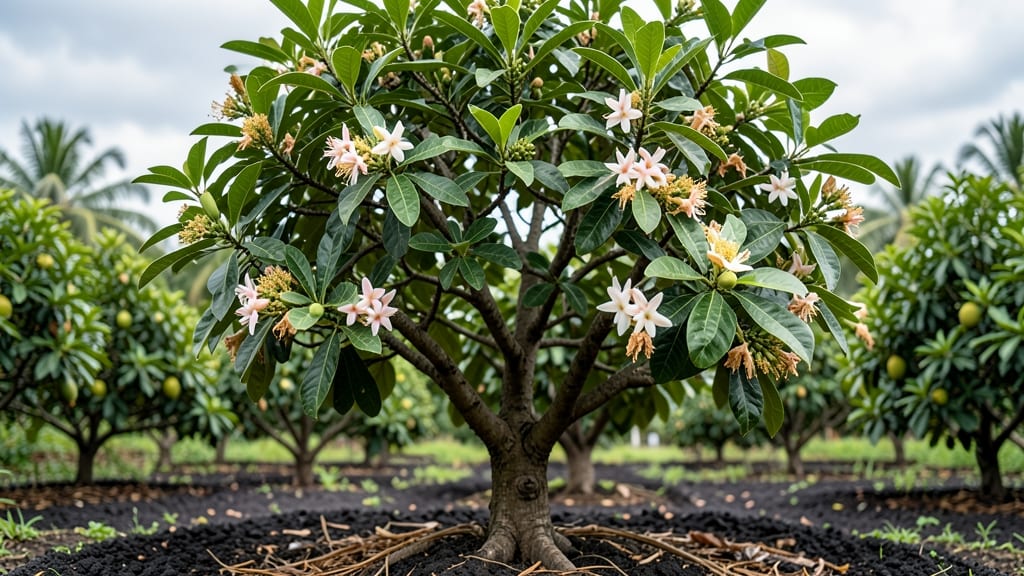
Understanding the mango tree flowering stages is your first step to a bountiful harvest 🥭 — and skipping this knowledge can mean missed fruit or wasted energy.
Watching your mango tree bloom is like anticipating a tropical treasure chest—each flowering stage reveals clues about fruit production, health, and even future harvests. But without knowing what to look for, you might miss critical signs or misinterpret seasonal changes.
From tiny bud formation to vibrant blooms and the delicate pollination process, each phase depends on the right mix of temperature, humidity, and sunlight. In zones 10-11, timing is everything, especially when summer and monsoon cycles can shift your tree’s natural rhythm.
In this guide, I’ll walk you through every stage—what to watch for, how to optimize conditions, and how to troubleshoot common issues like poor flowering or fruit drop. By the end, you’ll know exactly what your tree needs to go from blossoms to ripe, juicy mangoes.
The 4 key mango tree flowering stages and what they mean for fruit
Understanding your mango tree’s flowering stages is like reading its growth diary—each phase signals what’s coming next for your harvest. From tiny panicle buds to fruit set, every step depends on climate, variety, and your care.
Let’s break down what to watch for and how to optimize each stage for maximum fruit production.
Mango trees typically bloom in late winter or early spring, but timing varies by region—Florida’s summer bloomers vs. India’s monsoon-triggered flushes. The 4 key stages—bud formation, flowering, pollination, and fruit set—each require specific conditions. Miss one, and you might end up with dropped buds or poor-quality fruit.
Here’s what each stage looks like, what it means for your tree’s health, and how to support it. Pay attention to panicle color, bud density, and environmental cues—they’re your early warnings for potential issues.
🌱
Stage 1—panicle formation—is your first clue about the coming season. If buds appear spread out and sparse, your tree might need more sunlight or nutrients.
Conversely, dense clusters suggest vigorous growth, but overcrowding can lead to bud drop later. Prune lightly in late winter to improve air circulation and reduce competition.
During flowering (Stage 2), timing is critical. Monsoon-season bloomers (like Alphonso varieties) thrive with high humidity, while summer bloomers (e.g., Keitt) need consistent warmth.
If your area has low humidity, mist trees lightly in the morning to mimic tropical conditions. Avoid evening watering—wet blooms attract fungal diseases.
Stage 3—pollination—is where many growers trip up. Mango flowers are self-pollinating but improve with cross-pollination. If you notice few or no peas after blooms fall, check for pesticide residue or lack of pollinators.
In urban areas, hand-pollinate with a soft brush in the morning when flowers are open. Bat activity at dusk is a great sign—bats are key pollinators in some regions.
By fruit set (Stage 4), your tree is making its final decisions about the harvest. Not all peas will survive—this is natural thinning. If you see massive fruit drop (more than 50%), your tree may be stressed by drought, heat, or nutrient deficiency.
Apply a balanced fertilizer (6-6-6 NPK) and mulch to retain moisture. For commercial varieties, thin fruits to 6-inch spacing to ensure larger, higher-quality mangoes.
Climate plays a huge role in these stages. In Florida’s summer blooms, high temps can cause bud abortion, while India’s monsoon blooms rely on sudden rain to trigger flowering. If you’re in a dry climate, consider drip irrigation to maintain consistent moisture.
For container-grown trees, ensure pots are at least 24 inches wide to prevent root stress during flowering.
Watch for reddish panicles—a sign of nutrient deficiency (often phosphorus or potassium). Yellowing leaves during flowering? Your tree might need magnesium or zinc.
A quick soil test can reveal deficiencies before they derail your harvest. Organic options like compost tea or fish emulsion work well for a gentle nutrient boost.
🌿
Seasonal flowering patterns: when and why mango trees bloom differently
Mango trees in India and Florida follow completely different flowering schedules, yet both rely on seasonal cues to trigger blooms. In tropical regions like Kerala, the monsoon flowering cycle peaks during June-August, while Florida’s summer flowering occurs between March-May.
These patterns aren’t random—they’re tied to temperature shifts, rainfall, and even daylight hours.
Understanding your region’s cycle is crucial because it directly impacts fruit quality and harvest timing. For example, monsoon-blooming varieties often produce smaller but sweeter fruit, while summer blooms yield larger, firmer mangoes.
The key difference? Monsoon blooms thrive on humidity spikes, while summer blooms need dry, warm air to set fruit.
🌧️ Monsoon vs. Summer Flowering Comparison
| Cycle Type | Peak Months | Trigger | Fruit Quality | Care Adjustments |
|---|---|---|---|---|
| Monsoon | June-August | Heavy rainfall + humidity | Smaller, sweeter, aromatic | Reduce watering; prune lightly |
| Summer | March-May | Warm, dry air | Larger, firmer, less sweet | Increase watering; fertilize |
If you’re in Florida, your mango tree likely follows the summer flowering pattern, where blooms appear after winter’s dry spell. This is your cue to increase potassium in fertilizers—it boosts fruit set during this cycle.
Meanwhile, in India’s coastal regions, the monsoon cycle demands less watering once buds form, as excess moisture can cause bud drop.
Regional temperature swings also play a role. In California’s coastal zones, where summers are mild, trees may produce two flowering cycles per year—one in spring and another in fall.
This biennial flowering is rare but possible with consistent care. The trick? Monitor your tree’s leaf color—healthy dark green leaves signal readiness for blooms.
For container-grown mango trees, seasonal shifts can be even more dramatic. Potted trees in USDA Zone 10 may experience delayed flowering if roots stay too wet. To adjust, repot in well-draining soil and reduce watering by 30% during bud formation.
In humid climates, fungicide sprays can prevent panicle rot, a common issue during monsoon blooms.
Remember: Fruit quality isn’t just about size—it’s about seasonal balance. Summer-blooming mangoes in Florida often have thicker skins for transport, while monsoon varieties in India prioritize flavor intensity. Tailor your harvest expectations to your tree’s cycle, and you’ll always know when to prune for next year’s blooms.