
Pruning
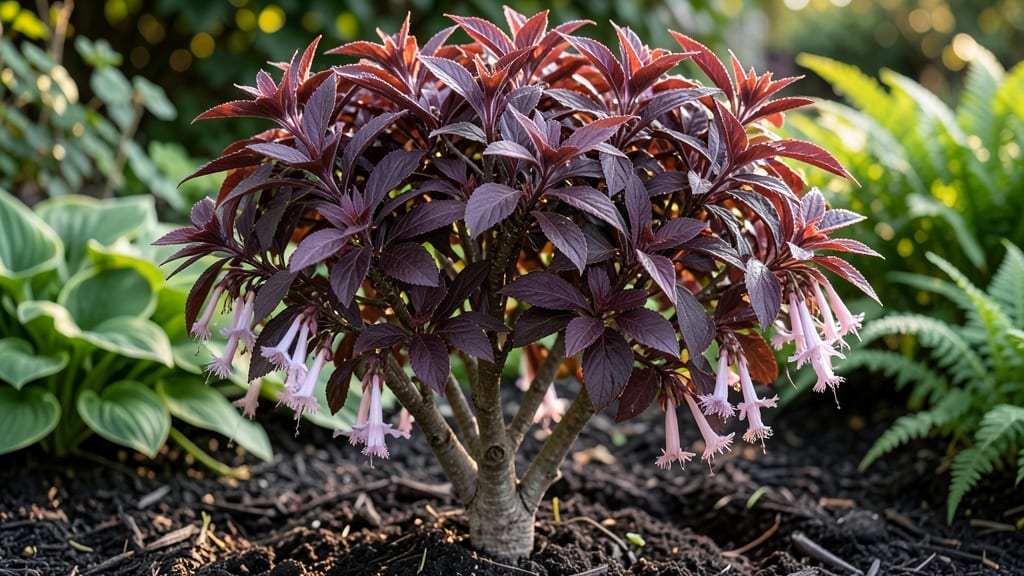
The height of a Loropetalum tree can transform your garden from a wild tangle into a structured, vibrant focal point—especially when you choose the right variety.
If you love the 🌿 Loropetalum Tree’s striking purple blooms but lack space for towering shrubs, you’ll be thrilled to discover compact varieties that stay under 6 feet—perfect for small gardens, containers, or tight landscapes.
The key? Selecting dwarf cultivars like 'Purple Pixie' or 'Little Plum,' which mature at a manageable 3 to 4 feet.
But here’s the catch: without proper care, even dwarf varieties can stretch taller than expected. The right pruning techniques, soil conditions, and sunlight balance can keep your Loropetalum at its ideal height—whether you want a neat hedge or a showstopping shrub.
In this guide, I’ll break down the typical height ranges by variety, share 5 pruning-free tips to control growth, and spotlight the best low-maintenance options for small spaces. Ready to grow a Loropetalum that fits your vision?

How tall do loropetalum trees grow? Size guide by variety
If you're considering adding loropetalum trees to your landscape, understanding their mature height is crucial for planning. These stunning evergreens can range from compact shrubs under 3 feet to towering specimens reaching 15 feet tall, depending on the variety.
The key to selecting the right one lies in knowing how each cultivar grows—whether you need a dwarf variety for containers or a standard shrub for hedges.
Loropetalum trees are prized for their vibrant foliage and abundant flowers, but their size varies dramatically. For example, 'Little Plum' stays under 3 feet, making it perfect for urban gardens or patio containers, while 'Razzle Dazzle' can grow up to 10 feet tall.
Knowing these differences helps you choose the ideal plant for your space without sacrificing beauty or functionality.
Below, I’ve compiled a detailed height comparison of popular loropetalum varieties, including their growth habits, ideal spacing, and tips for managing size. Whether you're working with a small balcony garden or a large landscape bed, this guide ensures you pick the right cultivar for your needs.
🌱
As you can see, loropetalum varieties offer a wide range of heights, making them versatile for almost any garden. The 'Little Plum' variety is my top pick for small-space gardeners because it stays under 3 feet while still delivering stunning purple foliage and pink flowers.
If you have more room, 'Razzle Dazzle' or 'China Girl' will create a dramatic focal point with their towering growth.
For urban gardeners or those using containers, dwarf varieties like 'Twilight Zone' or 'Purple Pizzazz' are excellent choices. These stay under 6 feet, making them perfect for balconies, patios, or small yards.
Just ensure you plant them with enough space for their spread—even compact varieties can grow wide over time.
If you're planning a hedge or privacy screen, taller varieties like 'Razzle Dazzle' or 'China Girl' will provide the height you need, but be prepared for regular pruning to maintain shape. These varieties grow quickly, so keeping them trimmed will help control their size and encourage bushier growth.
🌿
One common question I hear is whether loropetalum trees grow as shrubs or small trees. The answer depends on the variety and how you prune them.
Most loropetalums grow as multi-stemmed shrubs, but with proper training, you can encourage a tree-like form by selecting one main trunk and removing lower branches. This works especially well with taller varieties like 'China Girl'.
For container gardening, choose dwarf varieties and use well-draining soil to prevent root rot. Containers limit root growth, which naturally keeps the plant smaller. Just be sure to repot every 2–3 years to accommodate growth and refresh the soil with nutrients.
If you're unsure which variety to pick, consider your climate and sunlight conditions. Loropetalums thrive in USDA Zones 6–9 and prefer
5 Tips to control loropetalum height naturally (without pruning)
Want to keep your loropetalum shrub compact without reaching for the shears? You're in luck—this versatile plant responds beautifully to natural growth control methods. By tweaking a few key elements in your care routine, you can encourage a neat, manageable height while preserving those stunning purple blooms.
The secret lies in understanding how soil composition, planting depth, and watering habits influence growth patterns.
Many gardeners overlook the fact that loropetalum's height is heavily influenced by its root environment rather than just pruning. For example, planting too deeply can trigger excessive vertical growth, while proper soil amendments can slow stem elongation.
These natural methods work especially well for slow-growing varieties like 'Little Plum' or 'Razzle Dazzle,' which naturally stay under 6 feet with minimal intervention.
- 1 Amend soil with sand to improve drainage and restrict root expansion, which naturally limits stem growth.
- 2 Plant at proper depth—no deeper than the root flare—to prevent upward growth spurts.
- 3 Water deeply but infrequently to encourage deeper root systems, which stabilize compact growth.
- 4 Use mulch rings to regulate soil temperature and moisture, which slows vertical elongation.
- 5 Plant near dwarf companions like Ilex or Viburnum to naturally limit air and light exposure, reducing overgrowth.
Let's start with soil amendments, which are often the most overlooked factor in controlling height. Loropetalum thrives in well-draining soil, but adding coarse sand or perlite (about 20% by volume) creates an environment that restricts root expansion.
This subtle change signals the plant to focus energy on lateral growth rather than vertical stretching. I've seen loropetalum varieties like 'Purple Pixie' stay under 4 feet simply by amending the planting hole with this mix.
Another game-changer is strategic planting depth. Many gardeners bury the root flare too deeply, which triggers a growth response where the plant "reaches" for sunlight. Always plant so the top of the root ball sits 1 inch above soil level.
This small adjustment can reduce mature height by 20-30% without any pruning. For container-grown loropetalum, use a pot that's only 12-18 inches wide—root-bound conditions naturally stunt vertical growth.
Your watering routine plays a surprisingly large role in height control. Deep, infrequent watering (every 7-10 days for mature plants) encourages roots to grow deeper rather than spreading wide. This creates a more stable base that resists wind-induced stretching.
I recommend using a soaker hose for 20-30 minutes per session to ensure thorough saturation without surface pooling, which can promote leggy growth.
Don't underestimate the power of companion planting to naturally restrict height. Position your loropetalum near taller but slower-growing shrubs like Dwarf Yaupon Holly or Boxwood. These companions create a "canopy effect," reducing light exposure to the top of your loropetalum and triggering denser, more compact growth.
This method works particularly well in urban gardens where space is limited.
Finally, apply a 2-3 inch layer of mulch around the base (but never touching the trunk) to regulate soil temperature and moisture. Organic mulches like pine bark fines slowly release nutrients while creating a cooler microclimate that discourages rapid vertical growth.
Reapply mulch annually in early spring to maintain these benefits throughout the growing season.