
Pruning
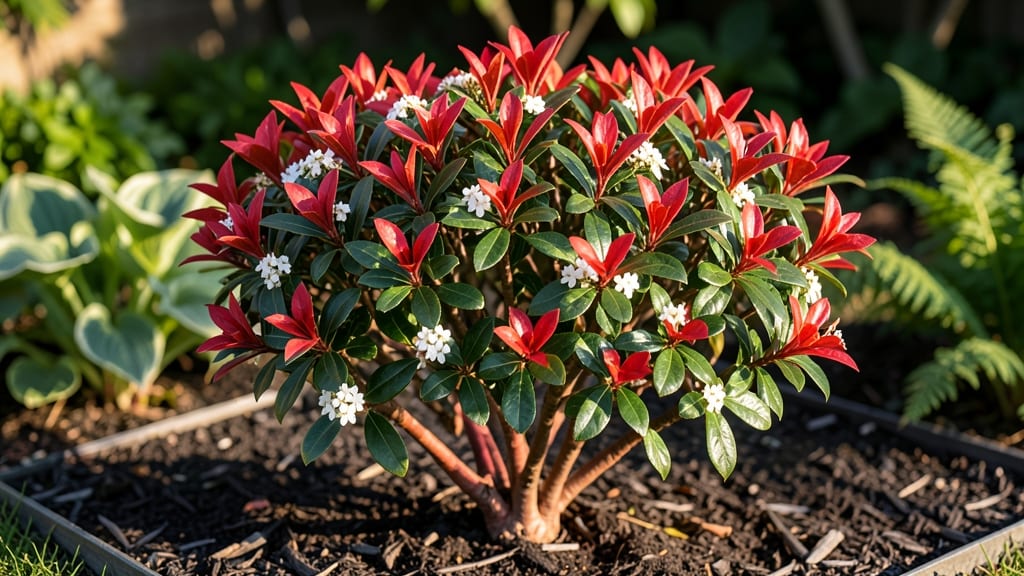
The Red Tip Photinia Tree can reach a height of 10–15 feet in just five years 🌳, making it a fast favorite for privacy screens—but without the right care, it can quickly outgrow your space.
If you're considering a Red Tip Photinia for your landscape but worried about how quickly it will tower over your yard, you’re not alone.
This shrub’s rapid growth is its superpower, but it also means you’ll need a plan to keep it in check if you prefer a more compact look.
Understanding its growth habits is the key to enjoying its striking red-tipped foliage without sacrificing your garden’s balance. Whether you’re planting one as a hedge or a standalone specimen, knowing how tall it can get—and how to control it—will save you headaches down the road.
In this guide, I’ll break down its height over time, share pruning secrets to keep it at your desired size, and compare it to other fast-growing shrubs so you can make the best choice for your outdoor space.

Red Tip Photinia Tree height growth chart: 5-Year projections by planting conditions
The Red Tip Photinia is one of the fastest-growing shrubs in landscapes, but its height depends heavily on your climate zone, soil quality, and pruning habits.
In ideal conditions, it can grow 3-5 feet per year during its first few years, but container-grown specimens grow slower than field-planted ones. Urban settings with limited space often see 20-30% slower growth due to stress factors like pollution and compacted soil.
Understanding these variables helps you plan for the right planting location and maintenance schedule.
For example, in USDA Zone 7-9, where this shrub thrives, a field-grown Photinia can reach 10 feet in just 4 years, while a container-grown specimen may only hit 6 feet in the same timeframe. Let’s break down the projections year by year based on these conditions.
📊 Key Factors Affecting Growth:
- Soil drainage: Poor drainage = stunted growth
- Sunlight exposure: Full sun = faster growth
- Pruning frequency: Aggressive pruning = slower height increase
- Climate zone: Warmer zones = faster growth
By Year 3, a field-grown Red Tip Photinia in a rural setting with rich, well-draining soil and full sun exposure can easily surpass 6 feet, while its urban counterpart may only reach 4-5 feet due to limited root space and pollution stress.
The difference becomes even more pronounced by Year 5, where rural specimens hit 11-13 feet compared to 6-7 feet in urban areas.
Container-grown Photinias are ideal for small spaces or balcony gardens, but their growth is naturally restricted. If you repot them into larger containers every 2-3 years, you can push their height closer to 6 feet by Year 5.
However, they’ll always lag behind field-grown plants due to root-bound limitations.
In warmer climates (Zones 8-10), growth accelerates by 10-20% because the plant stays active longer each year. For example, a Zone 9 Photinia might hit 7 feet by Year 3 instead of the 6 feet seen in Zone 7.
Conversely, in cooler zones (Zones 5-6), growth slows significantly, with Year 3 heights often staying under 5 feet.
To maximize height in cooler climates, use mulch to insulate roots and plant in south-facing locations for extra warmth. In hot, dry climates, prioritize deep watering to prevent stress-induced stunting. The key is balancing growth speed with plant health—never sacrifice root health for rapid height gains.
Pruning plays a critical role in shaping height. If you prune annually in late winter, you
How to control Red Tip Photinia height: pruning techniques for compact growth
Keeping your Red Tip Photinia at a manageable height requires strategic pruning, especially since this shrub can grow 3-4 feet per year if left unchecked. The key is timing—prune at the right moments to encourage dense foliage and controlled height while preserving its signature red-tipped new growth.
I’ve found that late winter and early spring are the most effective seasons for shaping this shrub.
Before you reach for your pruners, gather the right tools: sharp bypass pruners for clean cuts, loppers for thicker branches, and gloves to protect your hands from thorns. Avoid dull tools—they can tear branches, inviting disease.
I also recommend having disinfectant on hand to sterilize your tools between cuts, especially if your Photinia shows signs of leaf spot disease.
Here’s how to approach pruning for compact growth, step by step:
Step-by-Step Pruning Schedule for Red Tip Photinia
- 1 Late Winter Pruning (February-March): Remove dead or crossing branches first. Cut back overgrown stems by 1/3 to encourage bushier growth. This is when the shrub is dormant, so it won’t bleed sap excessively.
- 2 Early Spring Pruning (April): Shape the shrub by trimming new growth tips to redirect energy toward side branches. Avoid heavy pruning now—focus on light shaping to maintain the natural form while preserving the red-tipped foliage.
- 3 Structural Pruning (May-June): Remove suckers at the base and weak inner branches to improve airflow. Thin out 10-20% of the oldest stems to rejuvenate the shrub. This step is critical for preventing disease buildup in dense foliage.
- 4 Avoid Summer Pruning: Pruning in summer or fall can stimulate soft, vulnerable growth that won’t harden off before winter. If you must prune, limit it to light deadheading of spent flowers to maintain tidiness.
- 5 Post-Pruning Care: Apply a 2-inch layer of mulch around the base to retain moisture and suppress weeds. Water deeply to help the shrub recover. Fertilize with a balanced 10-10-10 in early spring to support new growth.
One common mistake I see is over-pruning in spring, which can reduce flowering and leave the shrub vulnerable to sunburn on new growth. Another pitfall is pruning too late in the season, which encourages tender shoots that won’t survive frost.
For a compact, bushy Photinia, stick to the late winter and early spring schedule—and avoid cutting back more than 1/3 of the plant in any single year.
If you’re aiming for a dwarf Photinia (3-6 feet tall), combine pruning with regular shaping and consider container growing to limit root expansion. For larger landscapes, you can allow it to reach 10-15 feet while still controlling its width with strategic pruning.
The key is patience and consistency—your Photinia will thank you with vibrant foliage and structured growth.
🌿