
Trees
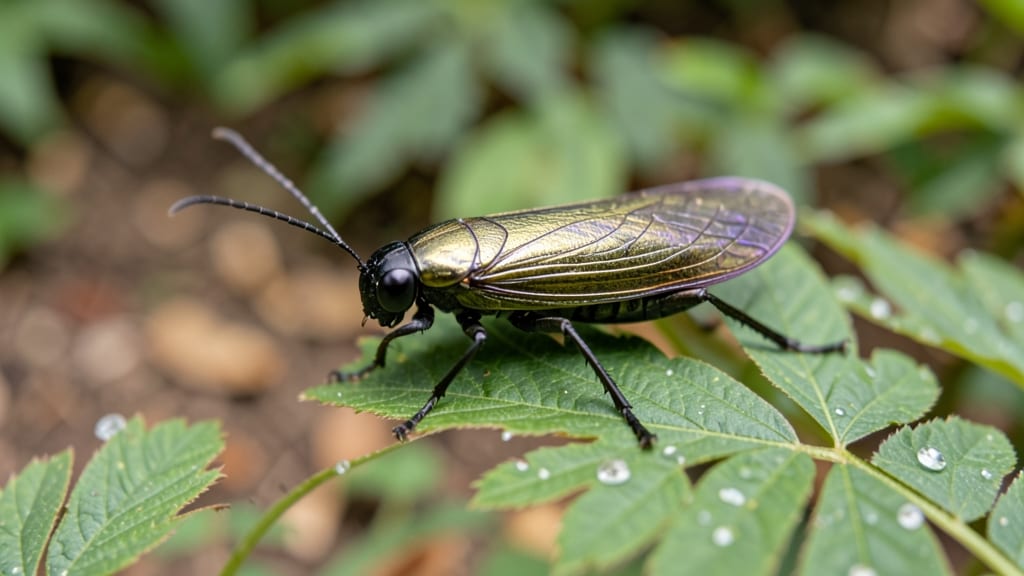
Locust tree bugs like borers and aphids turn your tree into a buffet—unless you act fast. 🌳 I’ve watched infestations spiral from a few holes to full-blown dieback, but there’s a smarter way than reaching for harsh chemicals.
The key is catching problems early, when a simple spray of neem oil or a blast of water can save your tree instead of killing the ecosystem around it.
Most bugs show up as tiny holes, sticky sap, or sudden wilting—signs your tree is already fighting back. Locust borers chew under the bark, while aphids cluster on new growth, leaving behind a telltale residue.
The good news? Healthy trees resist pests better, so pruning dead branches and keeping soil moist cuts down on their appeal. I’ve saved multiple locusts by focusing on prevention first.
You’ll learn to spot the early warning signs, use targeted natural sprays, and even turn predators like ladybugs into your secret weapon. No more guessing whether to spray or wait—just clear, actionable steps that protect your tree and the critters that keep it thriving.
The results? Trees that stay strong, green, and bug-free for years.
Works for any locust tree, whether it’s a young sapling or a mature shade giant. Let’s get your tree back to its best—without the chemical cleanup. Here’s how to start.
Root Causes Of Infestations
Understanding why these sap-sucking insects suddenly appear in large numbers helps you take targeted action. Locust tree bugs—often mistaken for plant lice or aphids—don’t just show up randomly.
Their presence is usually tied to specific environmental triggers, tree stress, or human activity. Below are the key reasons these pests multiply and invade your trees.
Healthy trees naturally resist infestations, but when trees are stressed, they become prime targets. Locust tree bugs thrive on compromised hosts because:
- Nutrient Deficiencies: Trees lacking essential nutrients (like nitrogen, potassium, or magnesium) produce weaker sap, making them easier for bugs to penetrate. Look for yellowing leaves, stunted growth, or sparse foliage—signs your tree is undernourished.
- Drought or Overwatering: Both extremes disrupt a tree’s natural defenses. Drought weakens roots, while overwatering creates ideal humidity for bug reproduction. Actionable fix: Monitor soil moisture and adjust watering to keep roots hydrated but not soggy.
- Disease or Pest Damage: Previous infestations (e.g., spider mites, borers) or fungal infections (like powdery mildew) create entry points. Bugs exploit these vulnerabilities to feed and reproduce.
Locust tree bugs are highly sensitive to seasonal and climate shifts. Their populations explode when:
- Warm Winters: Mild winters allow eggs laid in bark crevices to survive and hatch earlier. Southern climates or microclimates (e.g., near heat-retaining walls) are hotspots.
- High Humidity: Moist conditions help nymphs (baby bugs) thrive. Afternoon rain or poor drainage around tree bases can turn your yard into a bug breeding ground.
- Sudden Temperature Swings: Rapid changes (e.g., cold snaps followed by heatwaves) stress trees, triggering sap production—locust tree bugs’ favorite food source.
Sometimes, our own actions create the perfect storm for these pests. Common culprits include:
| Activity | How It Attracts Bugs | Solution |
|---|---|---|
| Over-fertilizing with nitrogen | Boosts sap production, making trees more appealing to bugs. | Use balanced, slow-release fertilizers (e.g., 10-10-10) and test soil annually. |
| Planting susceptible trees nearby | Species like honey locust, black locust, and sycamore are magnets for these bugs. | Choose resistant varieties (e.g., oak, maple) or isolate vulnerable trees with barriers. |
| Ignoring fallen leaves/debris | Leaves harbor overwintering eggs and provide shelter for nymphs. | Rake and remove debris in late fall/winter to disrupt their lifecycle. |
Locust tree bugs often surge when their natural predators (like parasitic wasps, ladybugs, or birds) are scarce. This happens due to:
- Pesticide Overuse: Broad-spectrum sprays kill beneficial insects first, leaving bugs unchecked. Pro tip: Use targeted, organic sprays (e.g., neem oil) that spare predators.
- Monoculture Landscaping: Planting only one type of tree reduces biodiversity, eliminating the food sources predators need to thrive.
- Urbanization: Fewer native plants and green spaces limit predator habitats, giving bugs an advantage.
By identifying which of these factors apply to your situation, you can prevent infestations before they start—or stop them in their tracks with natural methods. The next section covers actionable, chemical-free solutions to reclaim your trees.
Effective ways to manage tree pests
Now that you understand why these tiny invaders show up, let’s tackle the how-to—practical, eco-friendly solutions to keep your trees healthy without resorting to harsh chemicals. Below, we’ve mapped the most common causes to targeted fixes, plus prevention tips to stop future outbreaks.
If you’ve spotted sticky honeydew trails or wilting leaves, these pests are likely sucking sap from your trees. Here’s how to disrupt their feast:
🔥 Remove Infested Branches
- How: Use pruning shears to trim and dispose of heavily infested branches (especially during dry spells when bugs are most active).
- Why: This cuts off their food source and reduces their numbers.
- Pro Tip: 💡 Seal cuts with pruning paint to prevent disease entry.
🍳 Apply Kaolin Clay Barrier
- How: Mix 1 cup of food-grade kaolin clay with 1 gallon of water, then spray on tree trunks and branches.
Reapply every 2–3 weeks or after rain. - Why: The clay coats bugs, blocking their ability to feed and reproduce. - Bonus: It also deters other pests like aphids and mites!
👨🍳 Introduce Beneficial Predators
- How: Release ladybugs, lacewings, or parasitic wasps (available at garden centers). These natural enemies love sap-sucking bugs.
- Why: They provide long-term control without chemicals.
- Pro Tip: 🌡️ Time releases for early spring when bugs are most vulnerable.
If you’re dealing with egg masses under bark or leaves, act fast to prevent a population explosion.
🔪 Scrape Off Egg Masses
- How: Use a plastic scraper or stiff brush to gently remove egg clusters from bark, twigs, or leaves.
Drop them into soapy water to drown. - When: Do this in late winter or early spring before eggs hatch. - Caution: Wear gloves—some bugs release a foul odor when crushed!
🥘 Use Neem Oil Spray
- How: Mix 1 tbsp neem oil with 1 quart of water + a drop of dish soap (as an emulsifier).
Spray on infested areas, focusing on egg sites. - Why: Neem disrupts their growth and deters laying more eggs. - Pro Tip: ✨ Apply in the evening to avoid harming bees.
⏰ Time Your Pruning
- How: Prune trees in late fall or winter when bugs are dormant. Remove and destroy infested branches immediately.
- Why: You’re eliminating overwintering sites before they multiply.
An ounce of prevention is worth a pound of cure! Here’s how to make your trees less appealing:
- 💡 Maintain Tree Health: Healthy trees are resilient.
Water deeply during droughts and fertilize with compost or organic slow-release granules. - 🎯 Reduce Clutter: Clear leaf litter and debris from the base of trees—these hideouts attract bugs. - 🌿 Plant Smart: Avoid overcrowding trees, and choose native species that are naturally resistant to pests. - 🔍 Monitor Regularly: Check trees weekly in spring and summer.
Early detection = easier fixes!
Remember: Patience is key! Some methods take time to show results, but consistency pays off. For severe infestations, combine 2–3 strategies for the best defense. Your trees (and your sanity) will thank you!
Frequently asked questions about locust tree bugs
What do locust tree bugs look like, and how can I tell if my tree is infested?
Locust tree bugs often appear as tiny, oval-shaped insects (about 1/8 inch long) with soft bodies. Look for clusters on new growth or under leaves, plus these warning signs: sticky honeydew residue, curled or yellowing leaves, or tiny holes in bark. Borers leave sawdust-like frass near entry points.
Are locust tree bugs harmful to my tree's long-term health?
Yes, severe infestations can weaken trees over time by draining sap and creating entry points for disease. While young trees may recover, mature locusts with heavy borer damage can decline rapidly. Early intervention with neem oil or pruning prevents long-term stress.
Can I use homemade sprays to control these bugs without chemicals?
Mix 1 tablespoon neem oil with 1 quart water and a drop of dish soap for a safe spray. Apply in the evening to avoid harming bees. For stubborn infestations, combine with kaolin clay (1 cup clay per gallon of water) to create a protective barrier.
How often should I inspect my locust tree for bugs?
Check your tree weekly during spring and summer when bugs are most active. Focus on new growth, undersides of leaves, and bark crevices. Early detection lets you act before infestations spiral—most problems are caught when you spot just a few bugs.
Will my locust tree recover if I remove all the bugs?
Yes, but recovery depends on how early you act and how healthy the tree was. Remove infested branches immediately, then support the tree with proper watering and fertilization. Most locusts bounce back within 3-6 months if you eliminate the bugs and address underlying stress factors.