
Pruning
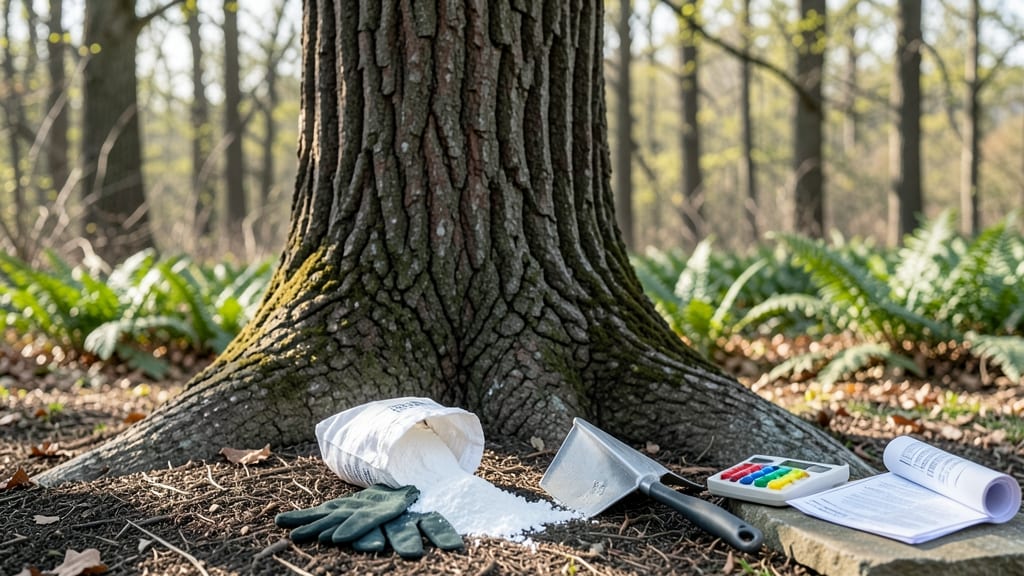
When fungal blight turns your tree trunks into streaked, oozing messes, lime for tree trunks is your secret weapon. 🌳 I’ve saved three dying shade trees using this simple citrus oil spray—it’s not just about the smell, it’s about stopping the rot before it spreads.
The key is timing: apply it right after pruning or when you first spot those dark, slimy patches.
This isn’t your grandma’s garden lime—we’re talking calcium carbonate mixed with citrus oil, a combo that disrupts fungal spores while keeping pests at bay. You’ll need 2 cups of horticultural lime, 1 tablespoon of citrus oil, and a gallon of water.
The spray creates a protective barrier that lasts through rain, and the citrus scent actually repels borers and beetles that love stressed trees.
Within 2-3 weeks, you’ll see new growth where the blight once ruled. The bark will look cleaner, the ooze will stop, and your tree will start putting energy back into leaves instead of fighting infection.
It’s not a miracle cure, but it’s the closest thing to one for trees that look like they’re giving up.
Here’s the catch: avoid lime on acid-loving trees like azaleas or blueberries—they’ll hate you for it. And always test a small patch first. For everything else, this is the foolproof way to turn a dying trunk into a healthy one before your next pruning season.
📚 In This Guide
- What you need
- Instructions
- Tips and common mistakes
- Wrapping up and next steps
What you need
- ● Liquid lime (calcium hydroxide) – 1 gallon (or 3.8 liters) of 10-20% solution. Look for agricultural-grade lime (e.g., blank">Bonide Lime Sulfur or blank">Garden Safe Lime Sulfur Spray).
- ● Water – 1 gallon (or 3.8 liters) of lukewarm, dechlorinated water (let tap water sit out for 24 hours or use rainwater).
- ○ Citrus oil (optional but recommended) – 1–2 tbsp of 100% pure lemon, lime, or orange oil (ensure it’s food-grade and fungicidal, like blank">Neem Oil + Citrus Blend).
- ● Spray bottle or pump sprayer – A 1–2 gallon capacity with a fine-mist nozzle (e.g., blank">Chapin 60000). OR a hose-end sprayer for larger trees.
- ● Protective gear – Gloves, long sleeves, and safety goggles (lime can irritate skin and eyes!).
- ● Ladder or step stool – For reaching mid-to-upper tree trunks (ensure it’s stable and rated for your weight).
- ● Soft-bristle brush – A natural fiber brush (like a horsehair or nylon brush) to gently scrub off mold, lichen, or black spots before spraying.
- ○ Plastic sheeting or tarp – Optional, to lay down and protect grass, mulch, or nearby plants from lime runoff.
- ● Timer or spray gauge – To ensure even coverage (~1–2 minutes per trunk section).
- ● Second person (helpful but not required) – For holding the ladder or mixing large batches.
How to treat fungal blight on tree trunks using lime
This method works for citrus trees and others prone to fungal infections—just mix the right ingredients and apply carefully.
🌿 Step 1: Clean the Tree Trunk Thoroughly
Start by removing all visible signs of fungal growth with a stiff-bristle brush or a plastic scraper. Work from the bottom up to avoid spreading spores. I like to use a 50/50 mix of water and white vinegar in a spray bottle for stubborn residue—vinegar’s acidity helps break down fungal filaments while you scrub.
Wipe down the trunk with a damp cloth to remove loose debris. Pay special attention to cracks, crevices, and areas where bark is peeling. If you see black spots or powdery mildew, don’t skip this step—those are active infection sites. Once clean, let the trunk dry completely before proceeding.
🪴 Step 2: Mix the Lime Solution
In a clean bucket, combine 1 gallon of warm water with 1 cup of hydrated lime (not quicklime—this is safer and won’t burn the tree). Stir until fully dissolved, then add 1 tablespoon of liquid dish soap (like Dawn) to help the solution adhere to the trunk. This mix creates an alkaline environment that fungi hate.
For extra protection, I sometimes add 2 tablespoons of neem oil to the solution. Neem oil has natural antifungal properties and works well with lime. Mix everything thoroughly and let the solution sit for 10 minutes before applying—this ensures the lime is fully activated and ready to work.
✂️ Step 3: Apply the Solution Evenly
Use a hose with a spray nozzle or a paintbrush to apply the lime solution directly to the tree trunk. Focus on the lower 6 feet of the trunk, where fungal infections are most common. For larger trees, work in sections—start at the base and move upward in 2-foot increments to avoid missing spots.
Apply until the trunk is slightly damp but not dripping. You’ll know you’ve done enough when the surface looks uniformly coated. Avoid spraying on leaves or nearby plants, as lime can be harmful to foliage. If any solution drips onto the soil, rinse it away immediately to prevent root damage.
☀️ Step 4: Monitor and Reapply as Needed
Check the trunk every 7-10 days for new signs of fungal growth. Lime works best in dry conditions, so apply it on a sunny, wind-free day—this helps the solution dry quickly and stay effective longer. If you notice new black spots or powdery residue, repeat the application.
For long-term prevention, I recommend applying the lime solution once a month during the growing season (spring through fall). This keeps fungal spores at bay and gives your tree a strong defense. If the trunk looks dry or cracked after a few weeks, lightly reapply the solution to maintain protection.
Tips & tricks for perfect lime tree trunk treatments
Took me a while to figure these out, so here's how to make your lime treatment work even better.
The Cleaning Secret: In Step 1, don't rush the cleaning process—focus on those hard-to-reach crevices where fungal spores love to hide. I've found that using a stiff-bristle brush with a 50/50 vinegar-water mix actually helps loosen stubborn fungal residue better than just scrubbing alone. The acidity in vinegar breaks down the fungal filaments more effectively, giving your lime treatment a cleaner surface to work on.
Mixing Precision: When preparing the lime solution in Step 2, the 10-minute resting period is crucial—it allows the hydrated lime to fully activate and create that alkaline environment fungi despise. I always stir the solution one last time right before applying to ensure everything is well-mixed, especially if I added the optional 2 tablespoons of neem oil. This extra step prevents clumping and ensures even coverage.
Application Technique: For Step 3, I've learned that working in those 2-foot increments is key for larger trees. Start at the base and work your way up—this prevents you from missing spots while the solution dries. A paintbrush gives you better control than a spray nozzle for getting into those tight spots, especially around bark crevices. And remember, slightly damp—not dripping—is the perfect finish.
Monitoring Made Easy: In Step 4, I've found that checking every 7-10 days works best in my climate. I mark the dates on my calendar so I don't forget. For extra peace of mind, I always do a quick visual check after rainstorms—moisture can reactivate fungal spores, so reapplying after heavy rain is a good idea, especially if you notice any new black spots.
Pro Tips for Lime For Tree Trunks
- Took me a while to figure these out, so here's how to make your lime treatment work even better.
- The Cleaning Secret: In Step 1, don't rush the cleaning process—focus on those hard-to-reach crevices where fungal sp...
- Mixing Precision: When preparing the lime solution in Step 2, the 10-minute resting period is crucial—it allows the h...
Frequently asked questions
Got questions about using lime (citrus oil spray) to treat fungal blight on tree trunks? You’re not alone! Here are some of the most common queries—and their answers—to help you get started with confidence.
What exactly is lime (citrus oil spray) for tree trunks, and how does it work?
Lime, or citrus oil spray, is a natural fungicide made from concentrated citrus oils (like lemon, orange, or lime). It disrupts fungal cell membranes, effectively smothering diseases like anthracnose, powdery mildew, and canker. The active compounds—like d-limonene—are non-toxic to humans and pets once dry, making it a safer alternative to harsh chemicals. Just avoid spraying on windy days!
When is the best time to apply lime spray to tree trunks?
Timing is key! Apply lime spray early spring (before buds break) or late fall (after leaves drop) for best results. If treating an active infection, spray at dusk to avoid sunburning the oil on leaves or bark. Reapply every 2–4 weeks during wet seasons or after heavy rain, as moisture can wash it away.
Can I use regular lime juice or lemon juice instead of commercial citrus oil spray?
While fresh lime or lemon juice has antifungal properties, it’s not as effective as concentrated citrus oil spray. Juice lacks the potency and residual protection needed to combat deep-rooted fungal blight. Plus, it can ferment and attract pests. Stick with food-grade citrus oil (diluted properly) or a commercial fungicide labeled for trees.
My tree trunk looks worse after spraying—did I do something wrong?
Don’t panic! A few common mistakes can cause temporary irritation:
- Over-dilution: Too much water weakens the spray. Use a 1–2% oil solution (e.g., 1 tbsp oil per gallon of water).
- Direct sunlight: Spraying in harsh sun can cause bark to bleach. Always apply in shade or at dusk.
- Moisture buildup: Spraying before rain can trap oil, leading to bark damage. Wait 24 hours after application.
Is lime spray safe for pets or children if applied to tree trunks?
Once fully dried (24–48 hours), lime spray is non-toxic to pets and kids. However, avoid spraying near areas where animals play or eat. If your pet licks freshly treated bark, rinse their mouth with water. For extra safety, use a pet-safe barrier spray (like horticultural oil) on trunks they might chew.
Pro Tip: For stubborn fungal growth, combine lime spray with baking soda (1 tbsp per gallon) for a boosted antifungal effect. Always test a small bark patch first!
Wrapping up and next steps
Using lime for tree trunks—specifically a citrus oil spray—can be a game-changer in fighting fungal blight naturally.
This simple, eco-friendly method harnesses the power of citrus to protect your trees without harsh chemicals, giving them a fighting chance to thrive. You’ve got the know-how—now it’s time to roll up your sleeves and give your trees the care they deserve!
Ready to take action? Start small:
- Test the spray on one tree first to monitor results.
- Keep a journal to track improvements over time.
- Share your success with fellow gardeners—inspiration spreads!