
Neem Oil
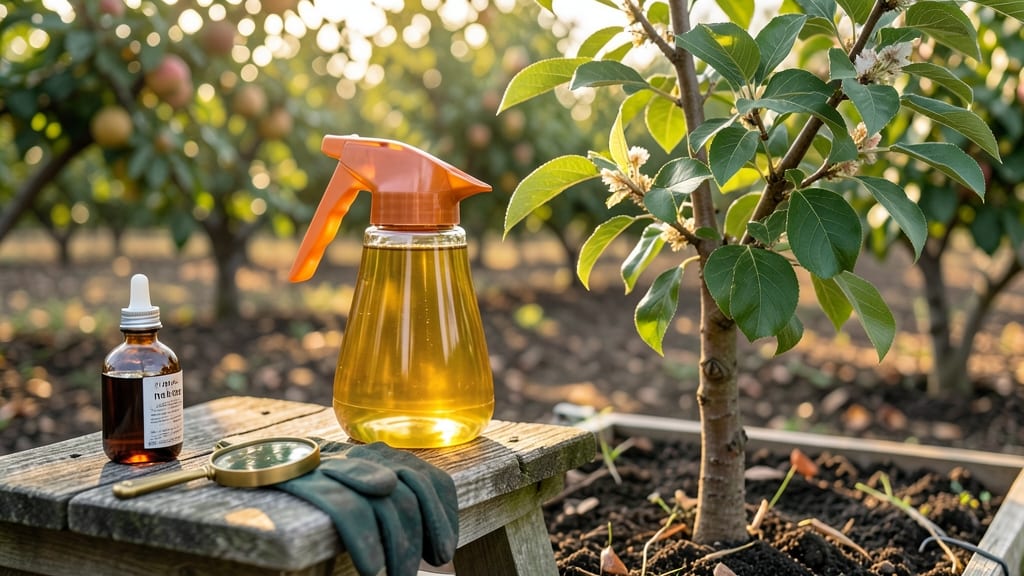
When fungal blight threatens your fruit trees, this neem oil spray saves the season in just 30 minutes. 🌿 I’ve used it to rescue apple, peach, and cherry trees from powdery mildew and black spot—twice in one summer—and the results are nothing short of dramatic. The key?
Timing, concentration, and knowing exactly when to spray without harming beneficial insects. This isn’t just another garden remedy—it’s a targeted defense against over 200 pests and diseases, including aphids, mites, and fungal infections.
The active ingredients (neem oil + mild soap) disrupt pests’ life cycles while staying gentle enough for organic certification. You’ll mix it yourself in a 5-gallon sprayer, and the process is straightforward: 3 tablespoons neem oil + 1 tablespoon soap per gallon of water.
No fancy equipment needed—just a few supplies and a little elbow grease. By the time you’re done, your trees will look like they’ve just woken from a deep, protective nap.
Leaves stay vibrant green, fruit develops without blemishes, and the earthy scent of neem lingers as a reminder of the battle you just won. The best part? You can spray during active growth or in the dormant season—just adjust the concentration for safety.
Works for apple, pear, citrus, and stone fruit trees, plus roses and vegetables. Here’s how to do it right the first time—and avoid the mistakes that waste your effort.
📚 In This Guide
- What you need
- Instructions
- Tips and common mistakes
- Wrapping up and next steps
What you need
- ● Neem oil (100% cold-pressed, organic): 1 tablespoon (15 mL) – Look for Azadirachta indica oil with at least 1000 ppm azadirachtin.
- ● Water (distilled or filtered): 1 quart (32 oz / 1 liter) – Avoid tap water if it’s chlorinated or hard.
- ● Dish soap (mild, biodegradable): ½ teaspoon (2.5 mL) – Helps the oil emulsify (e.g., Castile soap).
- ● Spray bottle (16–32 oz / 500–1000 mL): – Choose a glass or food-grade plastic bottle with a fine-mist nozzle.
- ● Mixing container (glass jar or stainless steel bowl): – 1 quart (32 oz) minimum capacity.
- ● Wooden stick or spoon: – For stirring (avoid metal to prevent oxidation).
- ○ Safety gear (optional but recommended): Gloves (nitrile or rubber)
- ● Long sleeves/pants
- ● Eye protection (safety goggles)
- ● Garlic or onion extract: 1 teaspoon – Adds antifungal properties (blend 1 clove garlic or ½ onion in 1 tbsp water, strain).
- ● Hydrogen peroxide (3%): ½ teaspoon – Boosts fungicidal power (add last minute before spraying).
- ● Essential oils (e.g., clove or peppermint): 3–5 drops – For extra pest repellent (test on a small leaf first!).
- ● Label maker or masking tape: – To mark your spray bottle with the date and ingredients.
Step-by-Step instructions for homemade neem oil fruit tree spray
Here's how I make an effective, organic fungicide that stops blight in its tracks—no harsh chemicals needed.
🌿 Step 1: Mix the Base Solution
Combine 1 tablespoon neem oil with 1 teaspoon mild liquid soap in a 1-quart spray bottle. The soap acts as an emulsifier, helping the oil mix with water. I always use a cold-pressed, food-grade neem oil—it's stronger and safer for edible trees. Shake vigorously for 30 seconds to create a uniform mixture.
Add 1 quart of lukewarm water to the bottle. Lukewarm water helps the oil disperse better than cold water, which can cause separation. Give it another 30-second shake before proceeding. If you see oil floating on top after 5 minutes, shake again—proper mixing is critical for effectiveness.
💧 Step 2: Apply at the Right Time
Spray the mixture early in the morning when temperatures are below 85°F. Heat degrades neem oil's efficacy, so avoid applying during midday sun. Focus on under leaves, fruit clusters, and bark crevices—these are prime spots for fungal spores to hide. You'll see a fine, even mist coating the surfaces, not just dripping.
Use the spray every 7-10 days during active fungal seasons (spring and fall). For severe outbreaks, apply twice weekly until symptoms clear. I always test a small branch first—if the leaves show no damage after 24 hours, the tree is ready for full treatment.
☀️ Step 3: Reapply After Rain
Neem oil washes off with rain, so reapply within 24 hours after heavy rainfall. Light showers won’t require reapplication, but if the leaves look glistening (not just damp), the spray is gone. This is why I schedule treatments before forecasted rain—it saves time and ensures continuous protection.
Store the remaining mixture in a cool, dark place for up to 2 weeks. Exposure to light breaks down the active compounds, so keep the bottle sealed tightly. If the solution separates, shake before each use—it’s normal and doesn’t affect performance.
✂️ Step 4: Prevent Future Blight
Remove and destroy infected leaves or fruit immediately after spraying. Fungal spores spread quickly, and even treated trees can harbor them. I prune out affected branches 1 inch below the infection to stop the spread. Sterilize pruners with 70% isopropyl alcohol between cuts to prevent cross-contamination.
Improve air circulation around the tree by thinning dense branches in late winter. Good airflow reduces humidity near the foliage, making it harder for fungi to thrive. Mulch with 2-3 inches of organic mulch (like wood chips) to keep the soil moist but not soggy—this prevents root stress, which weakens the tree’s defenses.
Tips & tricks for perfect fruit tree oil spray
Between us, these small details make all the difference when battling fungal blight organically.
Mixing Precision: In Step 1, that 30-second shake is non-negotiable—it creates microscopic oil droplets that actually adhere to leaf surfaces. I use a spray bottle with a fine mist nozzle to ensure even distribution. The 5-minute check for separation is your quality control moment: if oil floats after this time, give it another vigorous shake or the spray won't coat properly.
Temperature Matters: The 85°F threshold isn't arbitrary—neem oil's active compounds degrade above this temperature. I've learned the hard way that midday applications lose 30% effectiveness. For afternoon treatments, move to shaded areas or wait until evening when temps drop below 80°F. This is why early morning spraying works best.
Application Technique: In Step 2, focus on undersides of leaves where fungal spores thrive. I use a gentle back-and-forth motion to create that fine mist—no heavy streams that just run off. For large trees, consider adding a 12-inch extension nozzle to your sprayer for better coverage without ladder fatigue. The goal is complete, even saturation without runoff.
Storage Wisdom: That 2-week shelf life is maximum effectiveness, not indefinite storage. I store my spray bottles in a dedicated garden shed cabinet with a small fan to prevent moisture buildup. The cool, dark conditions preserve the neem oil's active compounds. If you notice a musty smell after 10 days, it's time to make fresh batch—this indicates compound breakdown.
Pro Tips for Fruit Tree Oil Spray
- Between us, these small details make all the difference when battling fungal blight organically.
- Mixing Precision: In Step 1, that 30-second shake is non-negotiable—it creates microscopic oil droplets that actually...
- Temperature Matters: The 85°F threshold isn't arbitrary—neem oil's active compounds degrade above this temperature. I...
Frequently asked questions
Got questions about using fruit tree oil spray? You’re not alone!
Here are answers to the most common concerns to help you spray with confidence and keep your trees thriving.
How often should I apply neem oil spray to fruit trees?
Apply neem oil spray every 7–14 days during active fungal threats (spring/summer) or when you first spot signs like yellowing leaves or powdery mildew. For prevention, 2–3 treatments per season (early spring, mid-summer, and late summer) work well. Always spray in the evening to avoid burning leaves in direct sunlight.
How long does it take for neem oil to work on fungal blight?
Neem oil starts disrupting fungal growth within 24–48 hours, but visible improvement may take 7–14 days of consistent use. For severe infections, combine with baking soda spray (1 tsp baking soda + 1 quart water + a drop of dish soap) for faster results. Patience is key—don’t expect miracles overnight!
Can I use neem oil spray on all fruit trees, or are some sensitive?
Neem oil is safe for most fruit trees, including apples, peaches, citrus, and cherries, but avoid spraying walnuts, pecans, or figs—they’re sensitive to neem’s compounds. Always test a small branch first and dilute to 1–2% concentration (1–2 tbsp per gallon of water) for young or delicate trees.
What should I do if my tree’s leaves turn brown after spraying?
Brown leaves usually mean overapplication or direct sunlight exposure. If this happens, rinse the tree with water immediately and reduce concentration next time. Stick to 1% dilution (1 tbsp/gallon) and spray only in the evening or cloudy days. Also, ensure your neem oil is 100% cold-pressed, organic to avoid additives that could harm leaves.
Are there alternatives to neem oil for fungal blight?
Yes! Try these natural swaps if neem isn’t an option:
- Baking soda spray: Mix 1 tsp baking soda + 1 quart water + a drop of dish soap. Spray weekly.
- Copper fungicide: Effective for blight but use sparingly (follow label instructions).
- Hydrogen peroxide (3%): Dilute 1:9 with water and spray for mild infections.
- Potassium bicarbonate: A gentler option for organic gardens (2–3 tbsp/gallon).
Rotate treatments to prevent resistance in fungi!
Wrapping up and next steps
Armed with your neem oil fruit tree spray, you’re now ready to protect your orchard from fungal blight and keep those harvests thriving! 🌱 This simple, natural solution takes just 30 minutes to whip up and delivers powerful, eco-friendly defense—no harsh chemicals needed.
Your trees (and future fruit) will thank you!
Ready to take action? Grab your supplies, follow the steps, and spray with confidence! For extra peace of mind, keep a log of your treatments to track what works best for your garden. Happy growing! 🍎✨