
Trees
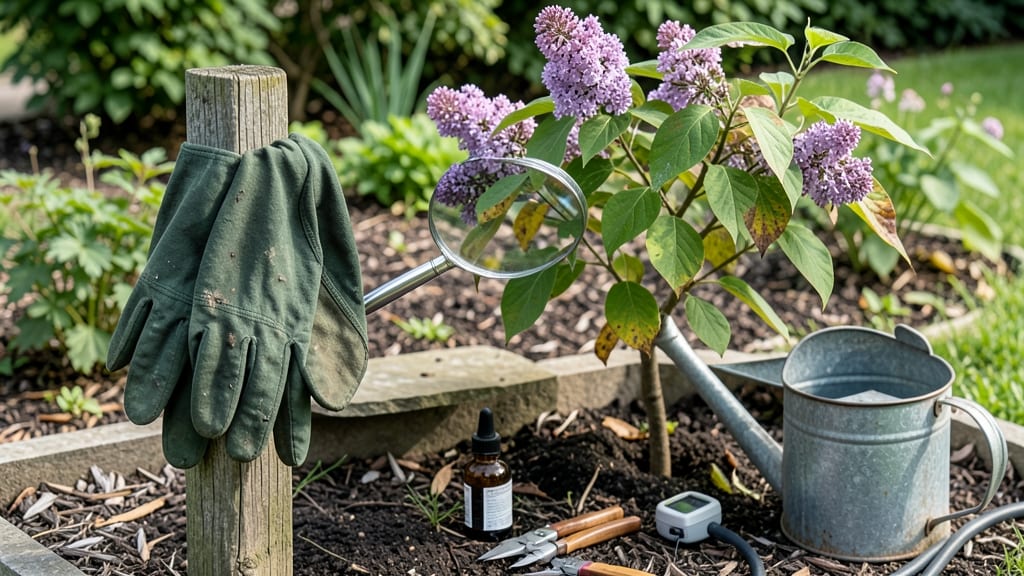
Your lilac tree’s leaves turning brown isn’t just a cosmetic issue—it’s a cry for help from a plant that’s usually tough as nails. 🌿 Fungal blight, overwatering, or nutrient starvation could be the culprit, but the good news is you can often fix it with simple organic sprays and a few smart adjustments.
First, check the leaves: crispy brown edges usually mean overwatering or fungal disease, while yellowing between veins signals nutrient problems.
I’ve seen lilacs bounce back from both with the right care—sometimes it’s as easy as adjusting watering or adding compost, but sometimes you need to spray for fungal spores before they spread.
You’ll likely see improvement within 2-3 weeks of treatment if you catch it early. The key is acting fast—once the blight moves to the stems, recovery gets trickier. I’ll walk you through the exact organic sprays and preventative steps that saved my own lilac last spring.
This works for both established trees and younger plants, and I’ll even share when to call in a pro if the damage looks severe. Let’s get your lilac looking lush again—no chemicals required.
Understanding Root Causes
When your lilac tree’s leaves start turning brown, it’s often a distress signal from the plant—like a red flag waving in the garden breeze. 🌬️ But what’s really triggering this change? The answer lies in a mix of environmental stressors, biological threats, and even cultural practices gone awry.
Let’s break down the most common culprits behind browned lilac leaves, so you can diagnose the issue with confidence.
Lilac trees (Syringa vulgaris) thrive in specific conditions, and when those conditions shift drastically, stress sets in—leading to browning leaves. Here’s what’s likely disrupting your tree’s comfort zone:
- Extreme Heat or Drought: Lilacs are hardy but not drought-tolerant. When soil moisture drops below 30% (a common threshold for stress), leaves curl, yellow, and eventually brown at the edges. Why? The tree prioritizes water to its roots and flowers, sacrificing older leaves first. 💡 Pro Tip: Mulch 2–3 inches deep with organic matter (like shredded bark) to retain moisture and regulate soil temperature.
- Cold or Frost Damage: Young leaves or those on late-blooming varieties can scorch if temperatures dip below 28°F (-2°C) after bud formation. The damage appears as crispy, brown patches. Why? Ice crystals rupture cell walls, disrupting water flow. ❄️ Pro Tip: Cover tender lilacs with frost cloth if late frosts are forecasted in your zone (4–7).
- Poor Air Circulation: Dense foliage or planting lilacs too close to walls/fences traps humidity, creating ideal conditions for fungal spores—but even without fungi, stagnant air leads to physiological stress. Leaves brown as stomata (pores) clog, reducing gas exchange. 🌿 Pro Tip: Prune to open the canopy and space trees 6–10 feet apart for airflow.
Quick Test: Check the soil 2 inches deep—if it’s bone-dry or waterlogged, environmental stress is likely the villain. Adjust your watering schedule to 1–1.5 inches per week (deep and infrequent, not shallow daily doses).
Fungal blights and pests are the sneaky saboteurs of lilac health, often masquerading as environmental issues. Here’s how to spot them:
| Culprit | Visual Clues | Why It Happens |
|---|---|---|
| Powdery Mildew (Erysiphe cichoracearum) | White, powdery coating on upper leaves; brown patches later. Leaves may yellow and drop prematurely. | Fungus thrives in humid (70–80% RH) conditions with poor airflow. It feeds on leaf sugars, disrupting photosynthesis and causing necrosis (browning). |
| Anthracnose (Apiognomonia veneta) | Dark, sunken spots with target-like rings; leaves turn brown and crispy. Often appears after wet springs. | Fungal spores splash onto leaves from infected mulch or soil. The pathogen blocks water transport in veins, leading to cell death. |
| Spider Mites (Tetranychus spp.) | Tiny webs on undersides; stippled, bronze-brown leaves (early sign). Severe cases show whitish webbing. | These pests pierce cells to suck sap, causing chlorophyll loss and brown speckling. Drought stress makes lilacs extra vulnerable. |
| Japanese Beetles (Popillia japonica) | Skeletons of leaves (chewed edges); frass (black fecal pellets). Brown patches appear where larvae feed on roots. | Adults skeletonize leaves, reducing the tree’s ability to photosynthesize. Larvae damage roots, starving the tree of nutrients. |
🔍 Diagnostic Hack: Magnify suspicious spots with a hand lens. Fungal spores appear as tiny black dots (use a damp cotton swab to collect samples for ID). Pests leave physical damage (chew marks, webs, or eggs).
Sometimes, well-meaning gardeners accidentally stress their lilacs with practices that disrupt their biology. Here’s what might be backfiring:
- Over-Fertilizing (Especially Nitrogen): While lilacs need nutrients, excess nitrogen promotes soft, lush growth that’s prone to fungal infections and sunscald. Brown edges on new leaves? You might’ve overdone it. Why? Rapid growth strains the tree’s vascular system, leading to oxidative stress in cells. 💡 Pro Tip: Use a balanced 10-10-10 fertilizer in early spring—never after June, as it encourages late-season growth vulnerable to frost.
- Improper Pruning Timing: Pruning lilacs after mid-summer removes next year’s flower buds (which form on old wood). Stressed trees respond by browning leaves as they conserve energy. Why? The tree perceives pruning as a wound, triggering a defense response that diverts resources away from foliage.
- Soil pH Imbalances:
Lilacs prefer neutral to slightly alkaline soil (pH 6.5–7.5). In acidic soil (
can’t absorb magnesium or calcium, leading to brown, crispy leaf margins (a classic nutritional deficiency symptom). 🌡️ Pro Tip: Test your soil—if pH is below 6.0, amend with lime (calcium carbonate) in early spring. - Transplant Shock: Moving a mature lilac disrupts its mycorrhizal fungi network (beneficial soil microbes). Without these helpers, roots struggle to absorb water/nutrients, causing leaves to brown within weeks. Why? The tree’s hydraulic system fails under stress, leading to xylem cavitation (air bubbles blocking water flow).
Action Step: If you suspect cultural issues, audit your care routine. Keep a log of watering, fertilizing, and pruning dates to spot patterns. Lilacs are low-maintenance—often, doing less (like skipping summer pruning) yields healthier trees.
Revive your lilac tree naturally
Now that you understand the causes behind your lilac tree’s brown leaves—whether it’s fungal blight, pests, drought, or nutrient deficiencies—it’s time to take action. The good news? Most issues can be resolved with simple, organic methods that restore your tree’s health without harsh chemicals.
Below are targeted solutions for each common cause, along with prevention tips to keep your lilac thriving for years.
Fungal infections like powdery mildew or anthracnose thrive in damp, shaded conditions. Here’s how to combat them naturally and prevent recurrence:
🔥 Step 1: Prune for Better Airflow
- Remove affected leaves and branches with clean, sharp pruners (sterilize with rubbing alcohol between cuts).
- Thin out dense foliage to improve sunlight penetration—fungi love dark, humid spots.
- Avoid overhead watering (water at the base instead) to reduce leaf moisture.
🍳 Step 2: Apply Fungicidal Sprays
Use organic, plant-safe sprays every 7–10 days until new growth appears:
- Neem oil spray (1 tsp neem oil + 1 tsp mild soap + 1 quart water) – disrupts fungal spores.
- Baking soda solution (1 tbsp baking soda + 1 quart water + a few drops of soap) – raises leaf pH to inhibit growth.
- Copper fungicide (like copper soap) – effective for severe cases (follow label instructions).
👨🍳 Step 3: Boost Tree Immunity
- Feed with compost or organic fertilizer (like fish emulsion or worm castings) to strengthen roots.
- Mulch with 2–3 inches of organic mulch (wood chips or straw) to improve soil health and moisture retention.
💡 Prevention Tip:
🌡️ Monitor humidity—fungi spread faster in sticky, wet conditions. Use a fan on low near the tree in humid climates or prune to enhance airflow.
Aphids, spider mites, and borers weaken lilacs by sucking sap or tunneling into wood. Here’s how to evict them organically:
🔪 Step 1: Blast Off Pests with Water
- Spray infested leaves with a strong stream of water (early morning works best) to dislodge aphids and mites.
- Use a hose-end sprayer with soapy water (1 tsp mild castile soap per gallon) for stubborn pests.
🥘 Step 2: Introduce Beneficial Insects
- Ladybugs, lacewings, or parasitic wasps (available at garden centers) eat aphids and mites naturally.
- Plant companion flowers like marigolds or dill nearby to attract these helpers.
⏰ Step 3: Apply Organic Insecticides
- Insecticidal soap (spray directly on pests—avoid hot sun to prevent leaf burn).
- Diatomaceous earth (food-grade only!) – sprinkle lightly on soil and under leaves (reapply after rain).
- Kaolin clay spray (like Surround WP) – creates a protective barrier pests avoid.
🎯 Prevention Tip:
✨ Encourage biodiversity—healthy soil with earthworms and mycorrhizal fungi helps trees fend off pests naturally.
Brown, crispy leaves often signal underwatering or poor soil drainage. Revive your tree with these steps:
🌱 Step 1: Deep Watering Technique
- Water slowly at the base of the tree (not the leaves) for 15–20 minutes, 2–3 times per week during dry spells.
- Use a soaker hose or drip irrigation to deliver moisture directly to roots.
- Check soil moisture—stick your finger 3 inches deep; if dry, water immediately.
🔥 Step 2: Improve Soil Retention
- Amend clay soil with compost or peat moss to improve drainage.
- Add mulch (4–6 inches of wood chips) to retain moisture and regulate temperature.
- Avoid compacting soil around the base—walk carefully near the trunk.
💡 Prevention Tip:
🌡️ Install a rain gauge near your tree to track water needs—lilacs prefer consistent moisture but hate soggy roots.
Yellowing or brown leaves can signal lack of nitrogen, iron, or magnesium. Fix it with organic amendments:
| Symptom | Likely Deficiency | Solution |
|---|---|---|
| Yellow leaves (oldest first) | Nitrogen (N) | Apply compost, fish emulsion, or blood meal in early spring. |
| Yellow between veins | Iron (Fe) | Sprinkle iron chelate or egg shells (crushed) into soil. |
| Brown edges on new leaves | Magnesium (Mg) | Use Epsom salt (1 tbsp per gallon of water, spray on leaves). |
| Purple stems/leaves | Phosphorus (P) | Add bone meal or rock phosphate to soil. |
💡 Prevention Tip:
📊 Test your soil every 2–3 years (kits from garden centers work) to adjust nutrients proactively.
If your lilac shows large areas of dead wood, oozing sap, or severe fungal spread, consult an arborist. Advanced cases (like borer infestations or root rot) may need professional intervention to save the tree.
Remember: Lilacs are hardy but reward consistent care. With these fixes, your tree should bounce back with lush green leaves in no time! 🌿✨
Frequently asked questions about lilac tree leaf browning
Why are my lilac leaves turning brown only at the edges?
This is usually a sign of overwatering or nutrient deficiency. Lilacs prefer well-drained soil, and soggy roots can't absorb moisture properly, causing brown edges. Check if your soil stays damp for more than 24 hours after watering. For nutrients, yellowing between veins suggests iron deficiency—try spraying crushed eggshells on leaves or applying iron chelate to the soil.
Can I save my lilac if half the leaves are already brown?
Yes! Act fast by pruning affected branches (sterilize tools first) and applying neem oil spray every 7-10 days for fungal issues. For drought stress, water deeply 1-2 times per week until soil is moist 3 inches deep. Most lilacs recover within 4-6 weeks with proper care, though severely damaged branches may need removal to redirect energy to healthy growth.
Is it safe to use chemical fungicides on lilacs?
While chemical fungicides work quickly, they're not necessary for most lilac issues. Organic alternatives like baking soda spray (1 tbsp baking soda + 1 quart water) or copper fungicide are effective and safer for pollinators. Only use chemicals like propiconazole for severe cases, and always follow label instructions to avoid harming beneficial insects or nearby plants.
Why do my lilac leaves turn brown after flowering?
This is normal! Lilacs are deciduous and shed leaves annually after blooming to conserve energy for next year's flowers. However, if browning happens before fall, check for powdery mildew (white powder on leaves) or aphid infestations (sticky residue). Prune affected branches and treat with soapy water spray or neem oil to prevent spread.
How do I know if my lilac has root rot?
Root rot appears as mushy, blackened roots and brown leaves that wilt even when soil is wet. Gently dig around the base—healthy roots are firm with a slight brown color. If you find rot, stop watering immediately and improve drainage by adding sand or perlite to the soil. Severe cases may require replanting in a raised bed with well-draining soil.