
Pruning
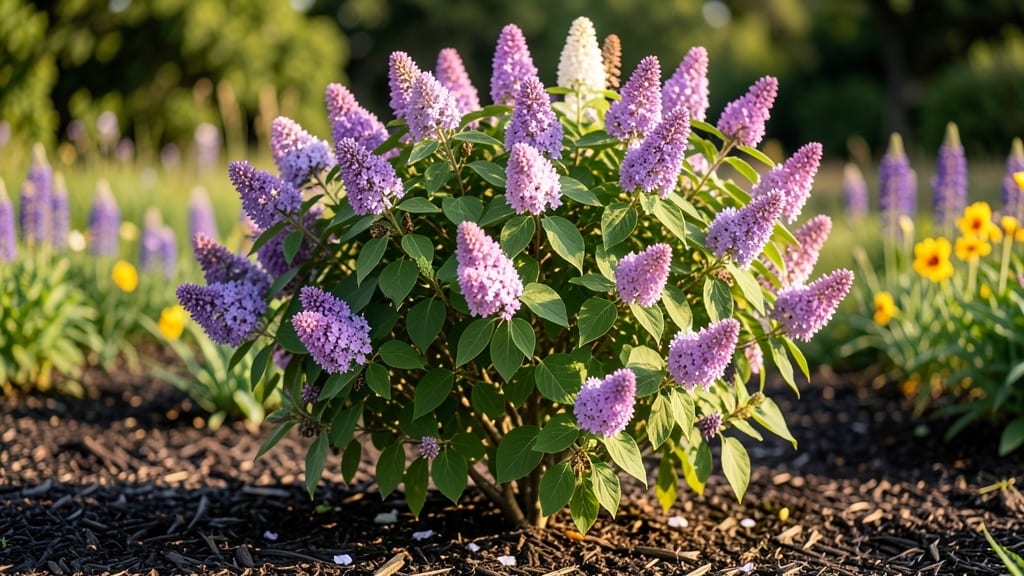
The lilac tree in Colorado’s harsh winters demands strategic pruning—or your fragrant blooms might freeze before they open. ✂️ I’ve learned the hard way that cutting at the wrong time turns your lilac into a leggy, sparse shrub instead of the showstopper it should be.
The secret lies in timing: prune right after flowering, never in late summer, and you’ll keep those cold-resistant varieties thriving through Denver’s dry winds and sudden freezes.
Most Colorado lilacs—like the hardy Katherine Havemeyer or Dwarf Korean—need three clean cuts per year: the first right after blooms fade, the second to shape in early summer, and a light trim in late fall to protect tender new growth.
Avoid heavy pruning in fall, or you risk exposing branches to winter burn. Think of it like layering a coat: too much too soon, and the plant shivers.
What you’ll end up with is a lilac that bursts into vibrant purple clouds every May, long before the mountain snow melts. The branches stay sturdy, the blooms multiply, and you’ll actually enjoy the pruning process instead of dreading it.
Even better? These pruned lilacs resist Colorado’s most common pests—like aphids and borers—because they’re too dense for critters to nest in.
Works for all Colorado zones, from high-altitude Boulder to the Front Range foothills. Just adjust your timing by a week or two depending on your last frost date. Here’s how to do it without turning your yard into a lilac-free zone.
📚 In This Guide
- What you need
- Instructions
- Tips and common mistakes
- Wrapping up and next steps
What you need
- ● Pruning shears: Bypass pruners (sharp, clean, and disinfected with rubbing alcohol or bleach solution). Quantity: 1 pair.
- ● Loppers: For thicker branches (up to 1.5 inches in diameter). Quantity: 1 pair.
- ● Hand saw or pruning saw: For 2+ inch branches. Quantity: 1.
- ● Gloves: Heavy-duty, cut-resistant gloves to protect your hands.
- ● Disinfectant: 70% isopropyl alcohol or a 1:10 bleach-water mix (for sterilizing tools between cuts).
- ● Rag or paper towels: For wiping down tools and branches.
- ○ Pruning sealant (optional): Tree wound paint (only if sealing cuts larger than 0.5 inches).
- ● Ladder or step stool: If your lilac is 6+ feet tall.
- ● Timing: Prune right after flowering (late spring/early summer) or late winter (before buds swell). Avoid pruning in fall—it can encourage new growth that won’t survive Colorado’s cold snaps! ❄️
- ● Weather check: Choose a dry, overcast day to minimize stress on the tree.
- ● Safety gear: Safety glasses (in case of debris) and closed-toe shoes.
- ● Tree health assessment: Inspect for diseased or dead branches (they’ll need extra attention!).
- ● Garden twine: For securing a ladder or marking branches to remove.
- ● Sharpie or paint marker: To label branches for future reference.
- ● Compost bin: For collecting pruned branches (great for mulch or compost!).
- ● Camera: Snap before/after photos to track your lilac’s progress!
How to prune lilac trees in Colorado for cold-hardy blooms
Colorado’s winters test lilacs, but smart pruning keeps them thriving. Here’s how to shape yours for maximum cold resistance and vibrant spring flowers.
✂️ Step 1: Time Your Pruning for Colorado’s Climate
Prune lilacs immediately after they finish blooming—typically late May to early June in Colorado. This timing ensures you remove spent flowers while leaving next year’s buds intact. Those buds form on last year’s growth, so cutting too late risks sacrificing next spring’s blooms.
If you missed the window, wait until mid-summer (July-August) but avoid pruning after September. Colorado’s early frosts can stress freshly pruned wood. Watch for when flowers drop completely—this is your cue to act. I always mark my calendar right after lilac season ends to avoid procrastination.
✂️ Step 2: Remove Dead and Weak Wood First
Start by cutting out any dead, diseased, or crossing branches—these compete with healthy growth. Use clean, sharp pruners to make cuts at a 45-degree angle just above an outward-facing bud. This encourages new growth to spread outward rather than inward, improving airflow and reducing fungal risks.
Look for branches with no green tissue inside when you snap them—those are dead. Also, remove any that rub against each other or grow straight up. Colorado’s dry winds can exacerbate damage from poor structure, so a strong framework is critical. I like to step back every few cuts to visualize the tree’s shape.
✂️ Step 3: Thin the Canopy for Better Airflow
Selectively thin the center of the lilac to let light and air penetrate. Aim to remove about 20-30% of the oldest wood—this rejuvenates the tree and prevents overcrowding. Focus on branches that are thicker than a pencil and growing toward the center.
Cut these branches back to their base or to a strong outward-facing bud. You’ll see new shoots emerge from the sides next spring—these will produce flowers. Thinning reduces stress on the tree, helping it withstand Colorado’s temperature swings. If your lilac has become too dense, you might need to spread this over two years to avoid shocking it.
✂️ Step 4: Shape the Tree for Cold Resistance
Round out the lilac’s natural shape by pruning the outer branches to encourage a balanced, open form. Avoid cutting back more than one-third of any branch’s length in a single season—this prevents dieback. For Colorado’s harsh winters, a rounded shape helps snow slide off without breaking branches.
If your lilac has become leggy, you can lightly trim the tips of the longest branches to promote bushier growth. Just avoid heavy pruning—lilacs bloom on old wood, so aggressive cuts reduce next year’s flowers. Step back often to check symmetry; lilacs respond well to gentle shaping over time.
🌱 Step 5: Clean Up and Protect for Winter
After pruning, sterilize your tools with rubbing alcohol to prevent spreading disease. Rake up and dispose of all clippings—never leave them under the tree, as they can harbor pests and fungi. Apply a 2-3 inch layer of mulch around the base (but not touching the trunk) to insulate roots during Colorado’s cold snaps.
Water deeply after pruning to help the tree recover, then monitor for signs of stress like yellowing leaves. In late fall, add a balanced fertilizer (like 10-10-10) to strengthen the tree before winter. Colorado’s dry air can dry out pruning wounds, so keep an eye out for cracks or oozing sap—these need extra care to heal properly.
Tips & tricks for perfect lilac tree pruning in Colorado
Colorado’s climate demands smart pruning—here’s how to avoid common mistakes and maximize those fragrant blooms.
Timing is Everything: I can’t stress this enough—prune immediately after flowers drop (late May to early June) to preserve next year’s buds. If you miss that window, mid-summer (July-August) is your second chance, but avoid pruning after September when Colorado’s early frosts can stress freshly cut wood. Pro tip: Set a phone reminder right after lilac season ends to avoid procrastination.
Visual Cues for Healthy Cuts: When removing branches in Step 2, snap a small piece to check for green tissue—if it’s brown and dry, that’s dead wood. For live branches, look for outward-facing buds when making your 45-degree cuts. This simple trick ensures new growth spreads outward, creating a stronger structure. I’ve seen lilacs become top-heavy when cuts are made too close to inward-facing buds.
Gradual Thinning Wins: The 20-30% thinning target in Step 3 might seem vague, but here’s how to think about it: Remove every other branch in dense areas until light can reach the center. For Colorado’s harsh winters, this gradual approach prevents shock—if your lilac is particularly dense, spread the thinning over two years rather than doing it all at once.
Winter Protection Secrets: That 2-3 inch mulch layer in Step 5 isn’t just decoration—it’s insulation. For Colorado’s extreme temperature swings, add an extra inch around the base after the first hard frost. And here’s what nobody tells you: Seal pruning wounds with a thin layer of tree wound pruning paste (available at garden centers) to prevent Colorado’s dry winds from drying them out.
Pro Tips for Lilac Tree Colorado
- Colorado’s climate demands smart pruning—here’s how to avoid common mistakes and maximize those fragrant blooms.
- Timing is Everything: I can’t stress this enough—prune immediately after flowers drop (late May to early June) to pre...
- Visual Cues for Healthy Cuts: When removing branches in Step 2, snap a small piece to check for green tissue—if it’s ...
Frequently asked questions
Got questions about growing and pruning lilac trees in Colorado? You’re not alone! Here are answers to the most common queries—from timing to troubleshooting—so you can keep your fragrant blooms thriving in the Centennial State’s unique climate.
When is the best time to prune lilacs in Colorado?
Prune your lilacs right after they finish blooming (typically May or early June in Colorado). Avoid pruning in late summer or fall, as this can stimulate late growth that’s vulnerable to late-season frosts. For heavy shaping, do it in early spring before buds swell—just be cautious if frost is forecasted.
Can Colorado’s cold winters damage lilac trees?
Lilacs are highly cold-hardy (USDA Zones 3–7), making them perfect for Colorado! However, young trees or newly pruned branches may need winter protection (like burlap wraps) if temps drop below -20°F. Established trees usually bounce back just fine—just avoid heavy pruning in late fall to reduce stress.
How much can I prune a mature lilac tree without harming it?
Mature lilacs can handle up to one-third of their branches pruned annually, but avoid cutting into old wood (over 3 years)—it won’t rebloom. Focus on dead, crossing, or overcrowded branches first. For rejuvenation, prune older stems back to ground level every few years to encourage new growth.
Why aren’t my Colorado lilacs blooming as much as they used to?
Lilacs bloom on old wood, so over-pruning in late spring/summer can reduce flowers next year. Other culprits: poor sunlight (they need full sun), drought stress, or nutrient deficiencies. Try fertilizing in early spring with a balanced 10-10-10 formula and water deeply during dry spells.
Are there Colorado-friendly lilac varieties that need less pruning?
Yes! Opt for ‘Dwarf Korean’ or ‘Miss Kim’ lilacs—they’re compact, cold-tolerant, and require minimal pruning. For classic blooms, ‘Katherine Havemeyer’ (purple) or ‘Mme. Lemoine’ (lavender) are hardy and forgiving. All thrive in Colorado’s Zone 5–6 climates with well-draining soil.
What should I do if my lilac tree gets powdery mildew?
Powdery mildew (white fungal coating on leaves) is common in Colorado’s humid summers. Prune for airflow, remove infected leaves, and apply neem oil or fungicide in early morning to avoid burning foliage. Water at the base (not overhead) and avoid dense planting near the tree.
Wrapping up and next steps
Pruning your lilac tree in Colorado isn’t just about keeping it tidy—it’s about unlocking vibrant blooms and ensuring resilience against the state’s chilly winters. 🌸 By mastering the right timing, tools, and techniques, you’ll reward yourself (and your neighbors!) with fragrant, cold-hardy flowers year after year.
Ready to roll up your sleeves? Grab those shears and start shaping your tree’s future!
Your next step? Mark your calendar for late winter or early spring—when those first buds hint at another stunning season ahead. Happy pruning! ✂️