
Pests and Diseases
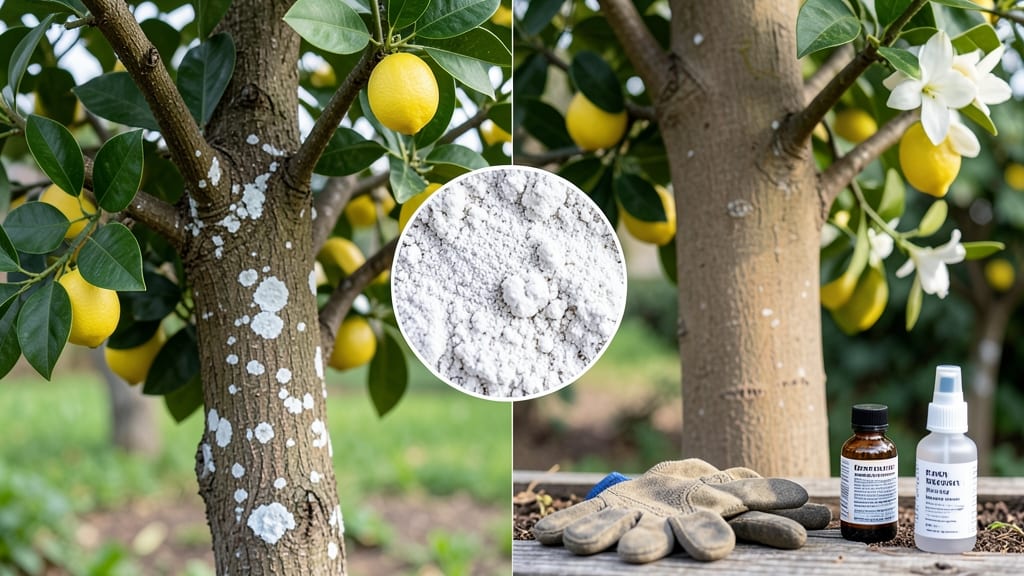
White spots creeping up your lemon tree trunk? That's fungal blight talking—and it won’t fix itself. 🌿 I’ve battled this exact problem with my Meyer lemon, and the difference between a saved tree and a lost one comes down to acting fast.
These spots aren’t just cosmetic; they’re a warning sign your tree’s health is under siege.
The culprits are usually powdery mildew or sooty mold, both thriving in humid conditions and feeding on honeydew from pests like scale insects. The good news? You can turn this around with the right mix of pruning, fungicides, and prevention.
I’ll walk you through exactly what worked for me—no guesswork, just actionable steps to restore your tree’s bark and vigor.
By the end, your lemon tree’s trunk will be spot-free and your fruit production back on track. The key is catching it early, so we’ll start with how to confirm what’s causing those white patches before diving into treatments that actually work. Trust me, your tree’s future depends on this.
Even if you’ve tried store-bought sprays before with no luck, the methods here are different—and they’re what finally stopped the spread on my own tree. Let’s get your lemon back to healthy, productive glory.
Understanding Root Causes
White spots on your lemon tree trunk aren’t just cosmetic—they signal underlying issues that demand attention. Below, we break down the most common culprits behind these blemishes, explained in clear, actionable terms so you can diagnose (and fix) the problem fast.
Fungal diseases are the #1 cause of white spots on citrus trunks, thriving in warm, humid conditions. Two key offenders stand out:
- Powdery Mildew (Oidium spp.) - What’s happening? This fungus coats the trunk in a white, powdery film, similar to dust but impossible to wipe away.
It spreads via spores, which love high humidity (above 75%). - Why it starts: Poor air circulation (crowded plants), overhead watering, or weak tree stress (from drought or overwatering) create the perfect breeding ground. - Red flag: Spots may turn brown and crack as the fungus matures, exposing the tree to secondary infections.
- Canker Fungus (Botryosphaeria or Phomopsis) - What’s happening? White, fuzzy spots often appear as sunken, dead patches on the bark.
Unlike powdery mildew, canker fungi kill bark tissue, leaving wounds that ooze sap or resin. - Why it starts: Open wounds (from pruning, storms, or hail) or splashing water during irrigation introduce spores.
Weak trees (nutrient-deficient or root-bound) are prime targets. - Red flag: The spots may develop a black or brown margin as the infection spreads inward.
Not all white spots are fungal—some are pest byproducts that weaken your tree’s defenses:
- Scale Insects (Aspidiotus or Saissetia spp.) - What’s happening? These sap-sucking bugs leave white, waxy shells on the trunk, resembling tiny bumps or flakes.
Heavy infestations create a sticky residue (honeydew), attracting sooty mold (a black fungal layer). - Why it starts: Scale thrive in dry, hot conditions and target stressed trees.
They’re often introduced via infected nursery stock or neighboring plants. - Red flag: New growth may appear yellow or curled, and ants may trail up the trunk (they farm scale for honeydew).
- Mealybugs (Planococcus citri) - What’s happening? These pests look like cottony white clumps in bark crevices or leaf axils. Their feeding weakens the tree, making it susceptible to fungal infections. - Why it starts: Mealybugs love low-light, sheltered spots and spread via contaminated tools or wind.
Overwatering or high nitrogen fertilizer can attract them. - Red flag: Infested areas may develop black sooty mold (a secondary fungal growth feeding on honeydew).
Sometimes, white spots are a symptom of environmental abuse, not a pathogen. Here’s how:
- Sun Scald or Sunburn - What’s happening? Pale, white or grayish patches appear on south- or west-facing trunks, especially in winter when days are cool but sunny.
The bark loses moisture faster than it can absorb it, causing cell death. - Why it starts: Lemon trees need protection from harsh midday sun in cold climates.
Sudden temperature swings (e.g., daytime heat + nighttime frost) accelerate damage. - Red flag: Affected areas may crack or peel, exposing green tissue underneath.
- Lime or Chemical Burn - What’s happening? White, crusty or powdery residues appear where fertilizer, lime, or herbicides have splashed onto the trunk.
The tree’s bark can’t absorb these chemicals, leading to necrosis (dead tissue). - Why it starts: Overzealous pruning or broadcast spraying (e.g., weed killer near the trunk) causes direct contact.
Even well-meaning amendments like agricultural lime can burn if not applied carefully. - Red flag: The bark may blister or ooze sap as it dies.
A healthy lemon tree resists white spots better. When it’s compromised—by poor nutrition, disease, or physical stress—opportunistic pathogens and pests move in.
Common triggers: - Nutrient deficiencies (especially potassium or calcium) weaken bark resilience. - Overwatering or compacted soil suffocates roots, reducing the tree’s ability to fight off invaders. - Physical trauma (e.g., string trimmer damage, animal scratches) creates entry points for fungi.
Use this table to narrow down the cause based on spot texture, location, and tree condition:
| Symptom | Powdery Mildew | Canker Fungus | Scale Insects | Mealybugs | Sun Scald | Chemical Burn |
|---|---|---|---|---|---|---|
| Spot Texture | Powdery, dust-like | Fuzzy, then sunken/cracked | Waxy, bumpy shells | Cottony white clumps | Dry, papery, or cracked | Crusty, residue-like |
| Location | Trunk, branches, leaves | Trunk wounds, bark crevices | Trunk, leaf undersides | Bark crevices, leaf axils | South/west-facing trunk | Where chemicals landed |
| Secondary Signs | None | Oozing sap, resin | Sticky honeydew, sooty mold | Sticky honeydew, ants | Peeling bark | Blistered or dead tissue |
| Tree Stress Level | Moderate (humidity-loving) | High (wounded trees) | High (dry, hot conditions) | High (sheltered spots) | High (cold snaps) | Immediate (chemical contact) |
Gently scrape a small area of a white spot with a sterile knife or spoon:
- Powdery residue? → Likely powdery mildew.
- Waxy shells? → Scale insects.
- Cottony fluff? → Mealybugs.
- No residue, just dead bark? → Canker, sun scald, or chemical burn.
⚠️ Warning: Avoid scraping large areas—this can spread infections or damage healthy tissue. Stick to tiny test patches.
Fixing White Spots on Your Lemon Tree
Now that you’ve identified the cause of those pesky white spots on your lemon tree’s trunk—whether it’s fungal infections, powdery mildew, scale insects, or environmental stress—it’s time to take action! The good news?
Most of these issues are treatable with the right steps. Below, we’ve mapped out practical, step-by-step solutions tailored to each root cause, plus prevention tips to keep your tree thriving long-term.
🔥 Step 1: Prune Affected Areas Start by removing any severely infected branches or leaves. Use sterilized pruning shears (wipe with rubbing alcohol between cuts) to prevent spreading spores. Dispose of the clippings in a sealed trash bag—do not compost them!
🍳 Step 2: Apply Fungicide Mix a homemade fungicide (1 tsp baking soda + 1 quart water + a few drops of dish soap) or use a store-bought copper-based fungicide (like Bonide Copper Fungicide). Spray the trunk, branches, and undersides of leaves thoroughly, focusing on white-spotted areas. Reapply every 7–10 days until the spots fade.
👨🍳 Step 3: Improve Airflow & Light Fungal spores love shady, damp conditions. Trim nearby plants to allow sunlight and airflow around the trunk. If your tree is in a container, consider moving it to a sunnier spot (6+ hours of direct light daily).
✨ Prevention Tip:
- Water at the base (not overhead) to keep foliage dry.
- Space trees 3–4 feet apart to reduce humidity buildup.
- Clean up fallen leaves regularly—they harbor fungal spores!
🔪 Step 1: Scrape Off Visible Pests Use a soft brush or cotton swab dipped in rubbing alcohol to wipe away scale insects or mealybugs from the trunk. This disrupts their protective waxy coating and weakens them.
🥘 Step 2: Apply Insecticidal Soap or Oil Mix 1 tsp insecticidal soap or horticultural oil per quart of water and spray the trunk and branches. Repeat every 5–7 days for 2–3 weeks to kill eggs and new hatchlings. For severe infestations, consider a systemic insecticide (like imidacloprid), but follow label instructions carefully.
🌡️ Step 3: Introduce Beneficial Insects Ladybugs and lacewings devour scale insects! Buy them online or attract them by planting dill, fennel, or marigolds nearby.
💡 Prevention Tip:
- Inspect new plants before bringing them home—quarantine them for a week.
- Avoid over-fertilizing with nitrogen, which attracts soft-bodied pests.
- Encourage natural predators by keeping a diverse garden ecosystem.
🌡️ Step 1: Adjust Watering Habits If the white spots are from sunburn or drought stress, water deeply 2–3 times per week (check soil moisture—it should be dry 1–2 inches down before watering). Use mulch (straw or wood chips) around the base to retain moisture.
🎯 Step 2: Provide Temporary Shade If your tree is in a hot, exposed area, drape a lightweight shade cloth (30–50%) over it for a few weeks. This gives the trunk time to recover while the tree adjusts to full sun.
🌱 Step 3: Fertilize Gently Stressed trees often lack nutrients. Use a balanced citrus fertilizer (6-6-6 or 8-3-9) every 2 months during growing season (spring–fall). Avoid high-nitrogen fertilizers—they can worsen stress.
🔥 Prevention Tip:
- Acclimate young trees to full sun gradually (start with 4–6 hours/day, then increase).
- Avoid late-season fertilizing—it encourages tender new growth prone to winter damage.
- Monitor soil pH (citrus prefers 6.0–7.0); test with a kit and amend if needed.
No matter the cause, these proactive steps will help keep your lemon tree healthy:
- Inspect monthly for early signs of pests/diseases.
- Keep tools clean to avoid spreading pathogens.
- Avoid overhead irrigation—water at the root zone.
- Prune for airflow—thin out dense foliage.
- Quarantine new plants for 2 weeks before introducing them to your garden.
✨ Final Thought: With consistent care, your lemon tree’s trunk should regain its smooth, healthy glow in 4–8 weeks. If spots persist or worsen, consult a local arborist or extension service for advanced treatment options.
Your tree’s resilience will pay off with bountiful lemons and a stunning, disease-free trunk! 🍋🌿
Frequently asked questions
Are white spots on my lemon tree trunk always dangerous?
Not all white spots are harmful, but they should never be ignored. Powdery mildew and sooty mold are common fungal issues that can spread quickly, while scale insects or mealybugs create sticky residues that attract more problems. However, some spots may be harmless lime deposits from hard water or mild sun damage. Always examine the texture and location first—if it's powdery, waxy, or accompanied by sticky residue, act fast!
How do I know if the white spots are fungal or caused by pests?
Test a small area with a sterile knife: powdery residue = fungal (like powdery mildew), waxy shells = scale insects, and cottony clumps = mealybugs. Fungal spots often appear fuzzy or dust-like, while pest-related spots may have sticky honeydew underneath. If you see ants trailing up the trunk, that’s a sure sign of scale insects!
Can I use household items to treat white spots on my lemon tree?
Yes! For fungal spots, mix 1 tsp baking soda + 1 quart water + a few drops of dish soap and spray affected areas every 7–10 days. For pests, rubbing alcohol on a cotton swab can kill scale or mealybugs on contact. Just avoid harsh chemicals like bleach—they’ll damage the bark. Always test a small area first to ensure safety.
Will pruning help if the white spots are already spreading?
Prune infected branches immediately using sterilized shears (wipe with rubbing alcohol between cuts). Remove all affected leaves and dispose of them in a sealed bag—never compost them! Pruning improves airflow, which is critical for preventing fungal spread. Follow up with fungicide or insecticide treatments to stop the progression.
How long does it take to see improvement after treatment?
With consistent care, you should see noticeable improvement in 4–8 weeks. Fungal issues like powdery mildew respond fastest to fungicides and better airflow, while pest problems may take longer if eggs are still present. Monitor your tree closely and reapply treatments as needed. If spots persist beyond 2 months, consult a local arborist for stronger solutions.