
Diseases
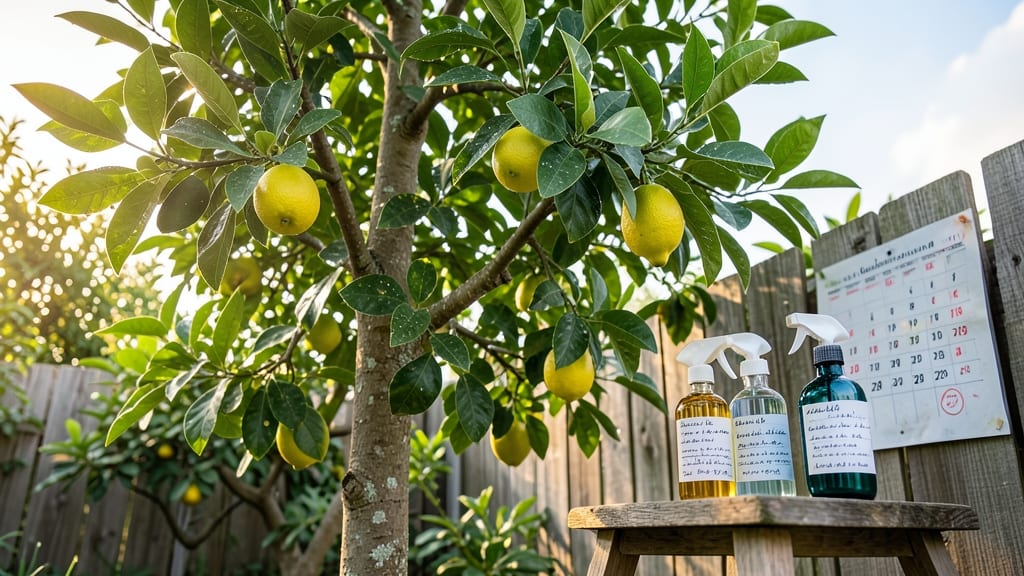
White fungus on your lemon tree leaves? Don’t panic. These 10 targeted fixes—from organic sprays to cultural adjustments—can stop the spread, restore your tree’s health, and save your harvest before it’s too late.
Neem Oil Fungicide Spray Solution
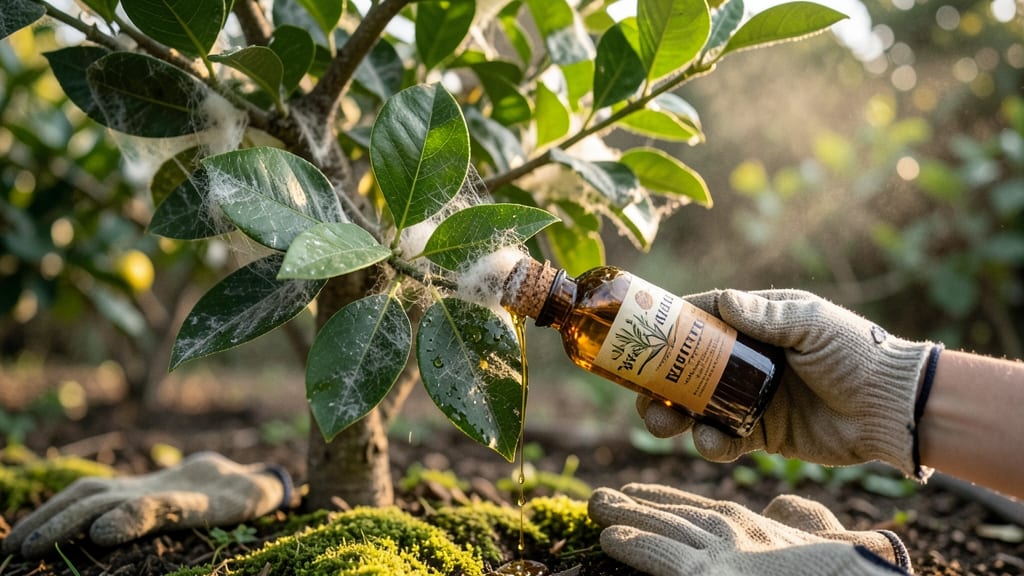
When white fungus takes over your lemon tree, reaching for neem oil is like calling in a natural superhero—it doesn’t just mask the problem, it disrupts fungal spores at their core while boosting your tree’s defenses. Unlike harsh chemicals, this organic powerhouse works systemically, meaning it penetrates leaves to prevent future outbreaks.
Mix 1 teaspoon of neem oil with 1 quart of water and a dash of mild soap (like Castile) to help it stick. Spray the entire tree, including undersides of leaves, every 7-10 days until the fungus disappears. For best results, apply in the early morning when humidity is low. The oil’s azadirachtin compound also deters pests like aphids, which often worsen fungal issues.
This solution is perfect for organic gardeners or anyone wary of synthetic fungicides—it’s safe for humans and pets once fully dried, and it won’t harm beneficial insects like bees. Start with this gentle but effective fix to give your lemon tree a fighting chance. 🌱
Baking Soda and Soap Mixture
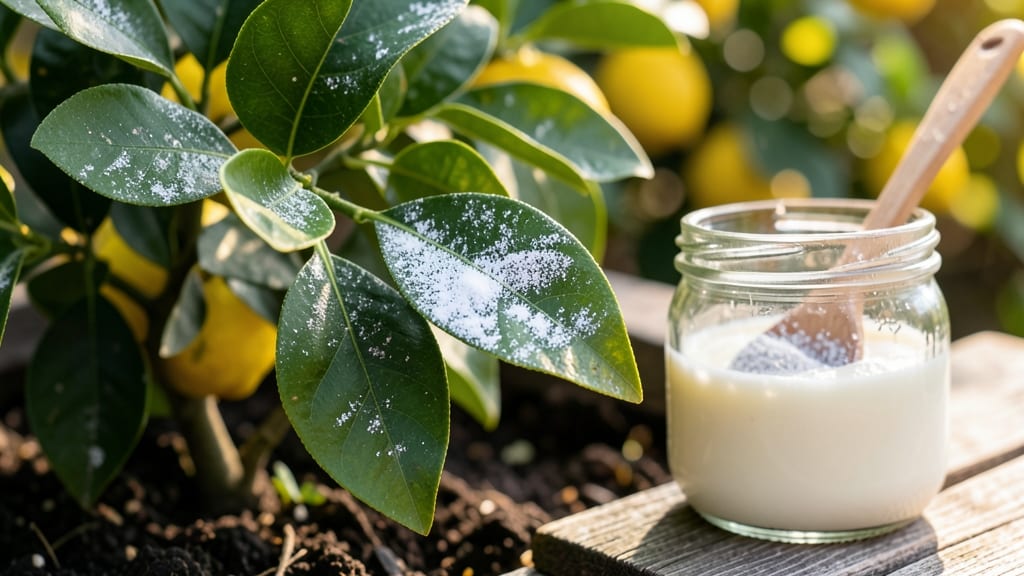
When you spot that telltale white powder on your lemon tree leaves, don’t reach for expensive fungicides just yet. A simple baking soda and soap mixture can raise leaf pH levels, creating an inhospitable environment for fungal spores—often halting early-stage infections within days.
Mix 1 teaspoon baking soda, 1 tablespoon mild liquid soap (like Castile), and 1 gallon of water) in a spray bottle. Apply the solution to both leaf surfaces on a dry, sunny morning to avoid burning. This remedy works best on mature trees with dense canopies, where airflow is limited and moisture lingers. Reapply every 7-10 days until the fungus disappears.
Perfect for budget-conscious gardeners or those who prefer non-toxic solutions, this spray is especially effective when combined with improved airflow and adjusted watering. It’s a quick, satisfying fix for early-stage infections! 💚
Copper Fungicide Application
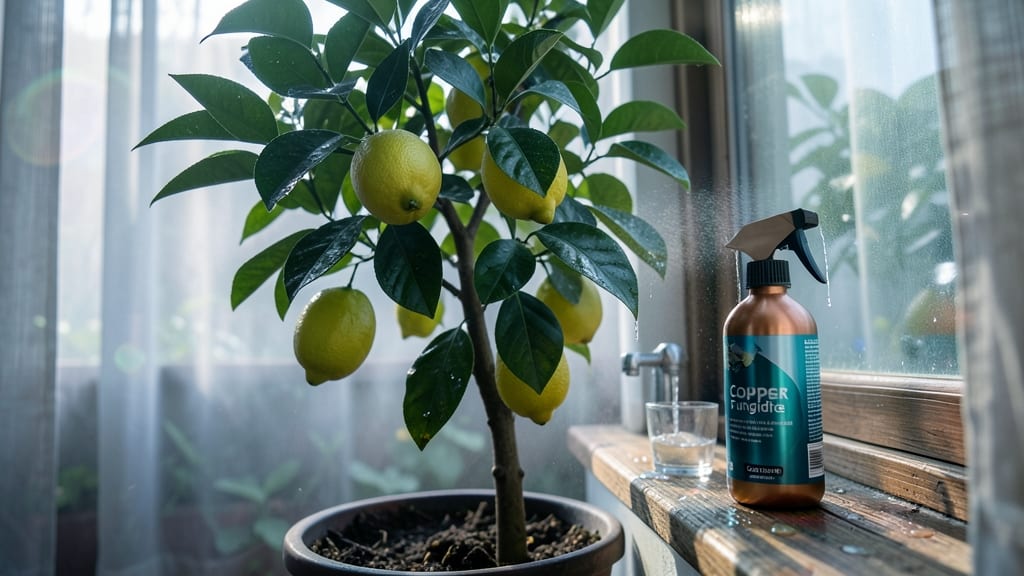
If your lemon tree sits in a humid climate or near a water source, copper fungicide is your best defense against stubborn white fungus. Unlike sprays that treat existing infections, copper creates a protective barrier that prevents fungal spores from germinating in the first place.
Apply it every 7–14 days during high-risk seasons (spring and fall) when moisture lingers. Mix according to label instructions—typically 1–2 tablespoons per gallon of water—and spray thoroughly on both leaf surfaces and branches. For severe cases, repeat applications every 5–7 days until new growth appears. This mineral-based treatment is especially effective against powdery mildew and sooty mold, two common culprits on lemon trees.
Gardeners in coastal regions, greenhouses, or shaded yards will see the most dramatic results. While copper isn’t organic, it’s safer than synthetic fungicides and breaks down naturally in the environment. Start early to protect your tree before fungus takes hold. ✨
Prune and Burn Infected Leaves
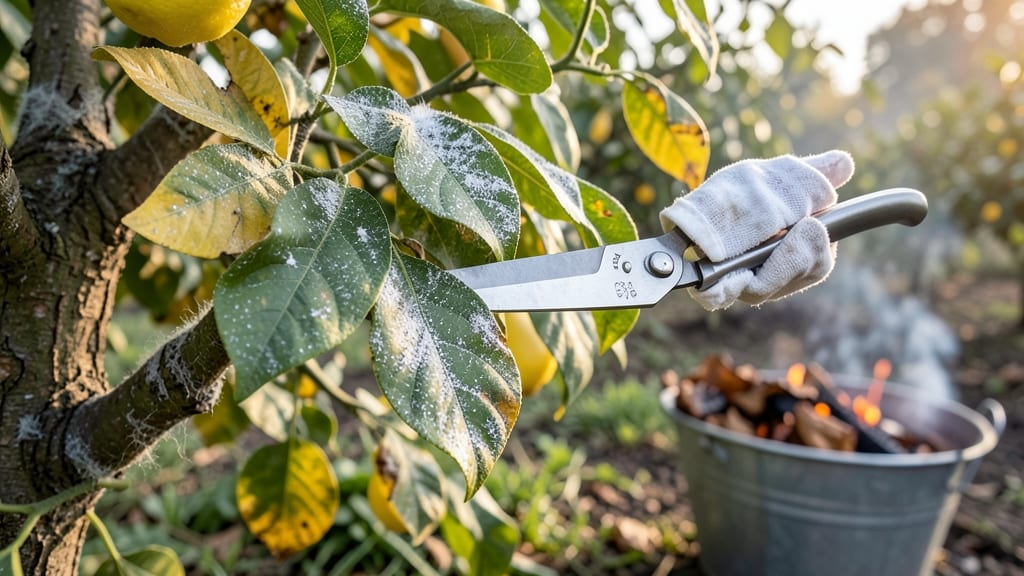
Before reaching for chemical treatments, prune and burn infected leaves—this mechanical step is the unsung hero of fungal control. White fungus spores spread through the air like tiny invaders, and removing infected foliage cuts off their lifeline to your tree.
Use sterilized pruning shears to snip away leaves with white patches, focusing on lower branches and dense areas where humidity lingers. Immediately bag and burn the clippings (or seal them in a trash bag for disposal)—never compost them, as spores can survive. This step is especially critical if your tree has severe infections, as it reduces the fungal load before chemical treatments take effect.
Gardeners with severe cases or those in humid climates will see the biggest benefits, but even early pruning helps prevent fungal spread. It’s the first line of defense—don’t skip it! 🌿
Hydrogen Peroxide Leaf Wash
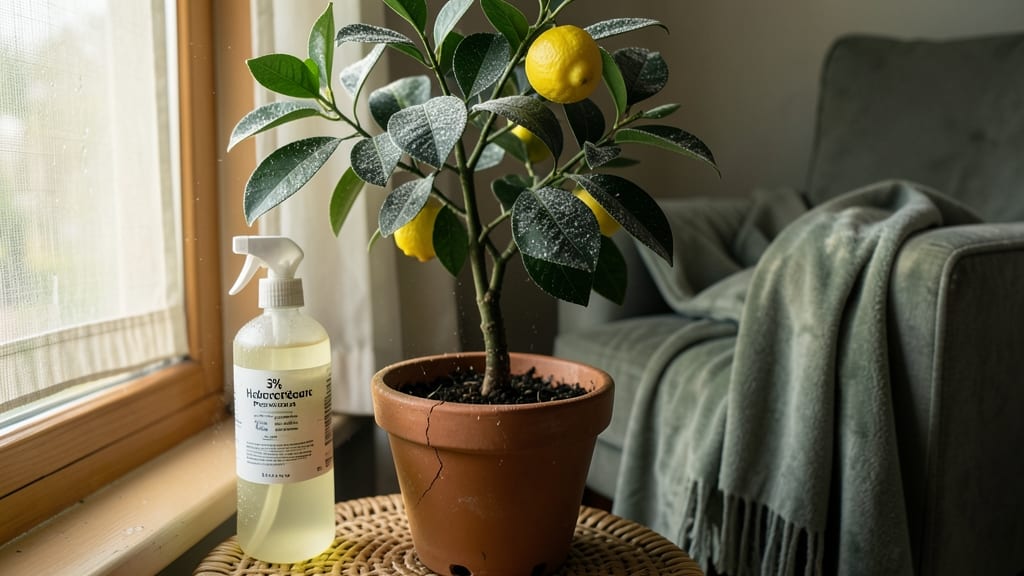
When your lemon tree is tucked in a cozy corner with little airflow, hydrogen peroxide becomes your secret weapon against stubborn white fungus. Unlike harsh chemicals, this common household oxidizing agent kills fungal spores on contact while being completely safe for your tree—even indoor varieties.
Mix 1 tablespoon of 3% hydrogen peroxide with 1 quart of water in a spray bottle, then apply directly to affected leaves until fully saturated. Reapply every 3-5 days until the fungus disappears, focusing on both the tops and undersides of leaves where spores hide. This method works especially well in low-light urban spaces where airflow is restricted, as the solution dries quickly without leaving residue.
Urban gardeners and those with potted lemon trees will appreciate this chemical-free fix—it’s fast, affordable, and won’t disrupt your home’s air quality. Just avoid using it on open wounds or fresh pruning cuts. 💡
Improve Air Circulation Around Tree
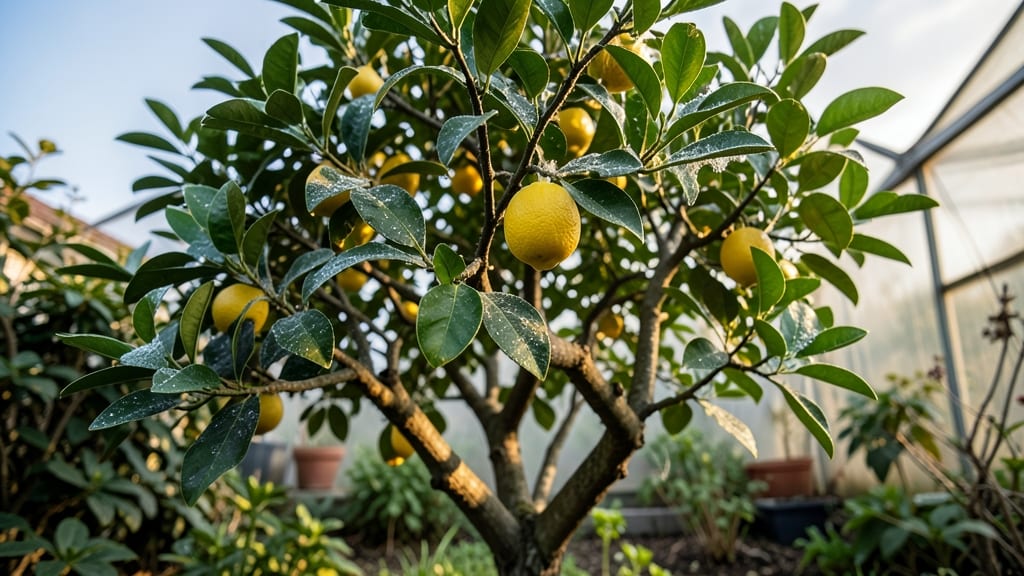
If your lemon tree’s white fungus keeps returning no matter how often you spray, the real culprit might be stagnant air. Fungal spores thrive in damp, still conditions—so improving airflow isn’t just helpful, it’s essential for long-term control.
Start by thinning dense branches to create gaps, letting sunlight and wind reach the inner canopy. Aim for 20-30% fewer leaves to reduce humidity pockets. If your tree sits in a shaded corner, consider relocating it to a sunnier, windier spot—even a slight breeze can dry leaves faster than any treatment. For container-grown trees, elevate the pot on a stand or place it near a fan.
This structural fix works best for gardeners in humid climates or those with crowded plantings. With better airflow, your tree’s leaves will dry quickly after watering, making it far harder for fungus to take hold. 🌟
Beneficial Microorganism Soil Drench
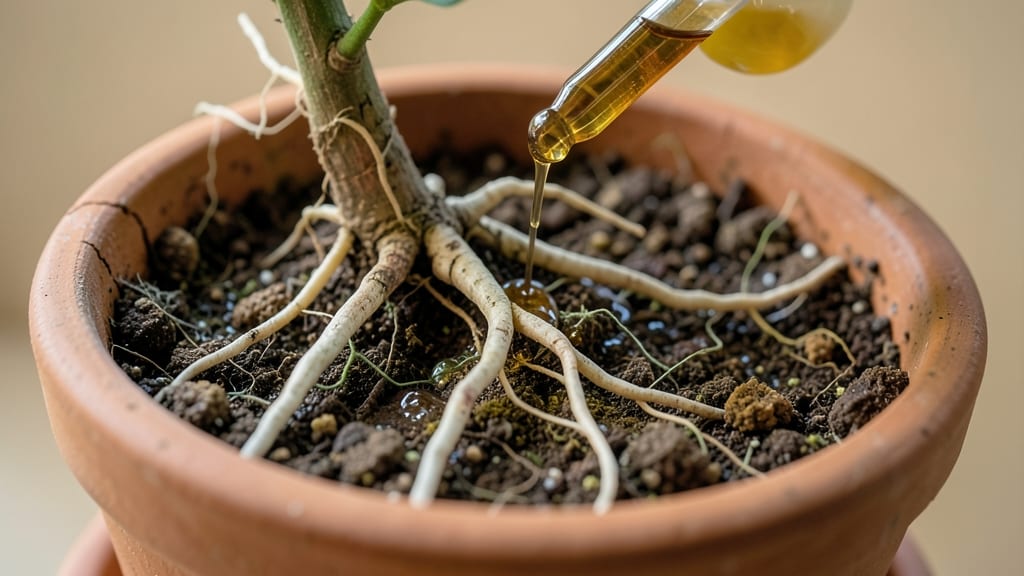
When your lemon tree’s roots are struggling—especially in containers or after fungal stress—a beneficial microorganism soil drench acts like a probiotic for your soil, crowding out pathogens before they can take hold. Unlike surface treatments, this approach targets the root zone where fungal infections often start, making it ideal for trees with compromised root systems or those recovering from overwatering.
Look for commercial products containing mycorrhizal fungi or beneficial bacteria like Bacillus subtilis, which compete with harmful pathogens for nutrients and space. Apply the drench every 4-6 weeks during the growing season, mixing it into the top 2-3 inches of soil or watering it directly into container pots. For container-grown lemon trees, this is particularly effective because it addresses the confined, moisture-retaining environment where white fungus thrives.
This method is perfect for gardeners who want a preventative, long-term solution without relying on harsh chemicals. It’s especially valuable after treating surface infections, as it helps rebuild the soil’s natural defenses for healthier, more resilient roots. 🌱
Adjust Watering Schedule Immediately
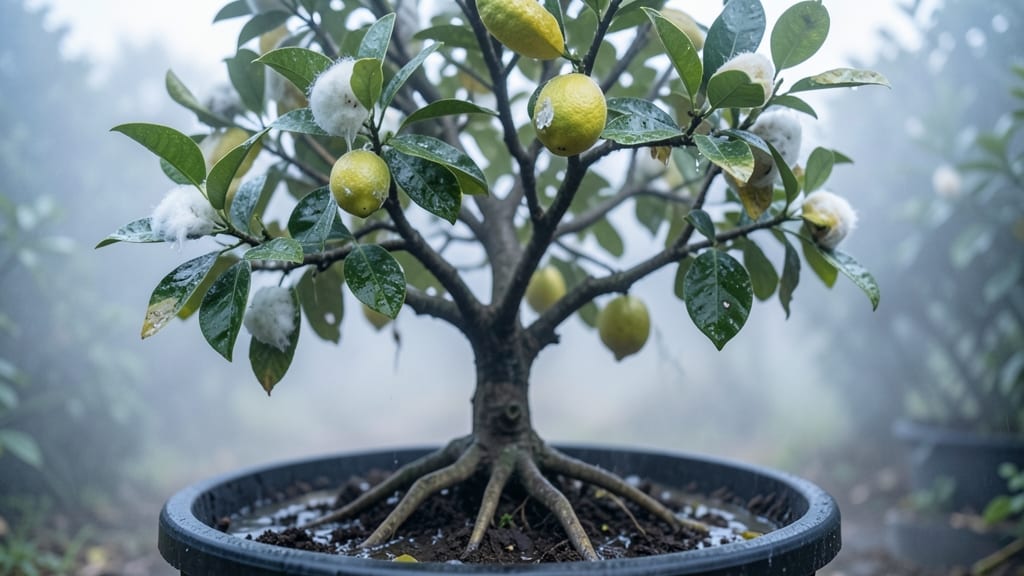
Your lemon tree’s white fungus might be screaming for help—literally. Overwatering creates the perfect damp, humid environment for fungal spores to thrive, turning your citrus into a buffet. The good news? A simple watering schedule overhaul can reverse the damage faster than you’d expect.
Switch to deep, infrequent watering—soak the soil until water drains from the bottom, then wait until the top 2-3 inches are dry before watering again. Use a moisture meter to avoid guesswork, and always water in the early morning to allow foliage to dry quickly. This alone can stop new fungal growth within 2-3 weeks, giving other treatments time to work.
This fix is especially critical for container-grown lemon trees or those in humid climates. Start here before reaching for chemicals—your tree’s recovery might depend on it. 💡
Reflective Mulch to Reduce Leaf Wetness
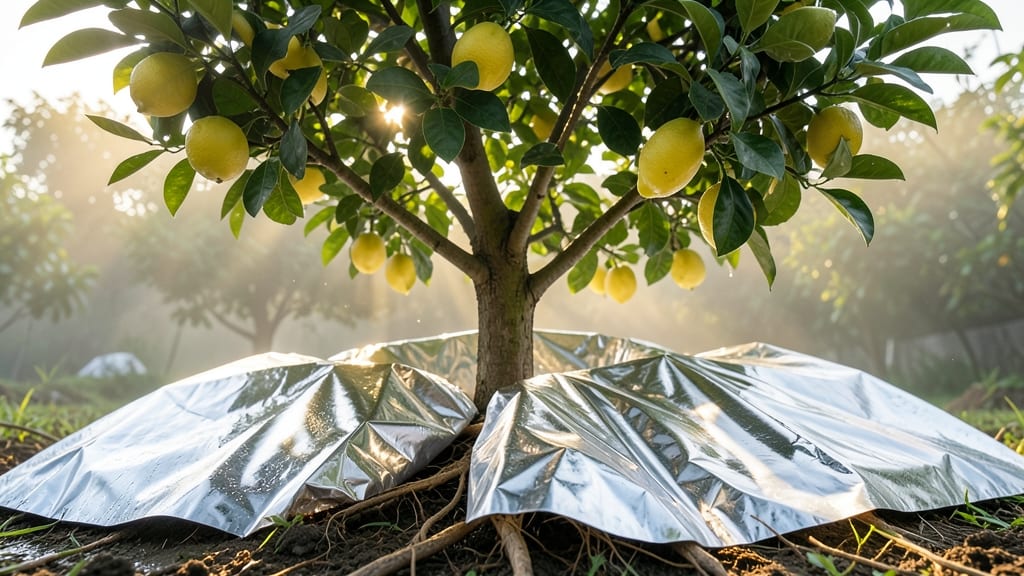
If your lemon tree’s leaves stay damp longer than they should, reflective mulch could be your secret weapon against white fungus. This clever trick uses aluminum foil or white plastic placed at the tree’s base to bounce sunlight upward, drying foliage faster and reducing moisture that fuels fungal growth.
Simply wrap the lower trunk and surrounding soil with shiny foil (cut to size) or lay down white plastic mulch, leaving a gap around the trunk to avoid overheating. The reflective surface not only dries leaves quicker but also deters pests that thrive in damp conditions. For container-grown trees, use a foil-lined saucer beneath the pot to achieve the same effect.
This low-cost, low-effort solution is perfect for gardeners in humid climates or those with shaded lemon trees. It’s especially effective when combined with adjusted watering schedules—giving your tree a double defense against fungus. 💚
Preventative Monthly Fungicide Calendar

Tired of battling white fungus season after season? A preventative monthly fungicide calendar keeps your lemon tree consistently protected without overwhelming your schedule. This simple system rotates treatments—like neem oil one month and copper spray the next—to disrupt fungal spores before they take hold.
Start by applying fungicide every 4-6 weeks during peak growth months (spring through fall). Pair treatments with weekly leaf inspections for early signs of recurrence, like white powder or yellowing. For container trees, add a soil drench every other month to target root-level pathogens.
This approach is ideal for gardeners who want long-term peace of mind with minimal effort. Once you establish the routine, your lemon tree will stay fungus-free year-round with just a few proactive steps. 💚