
Pruning
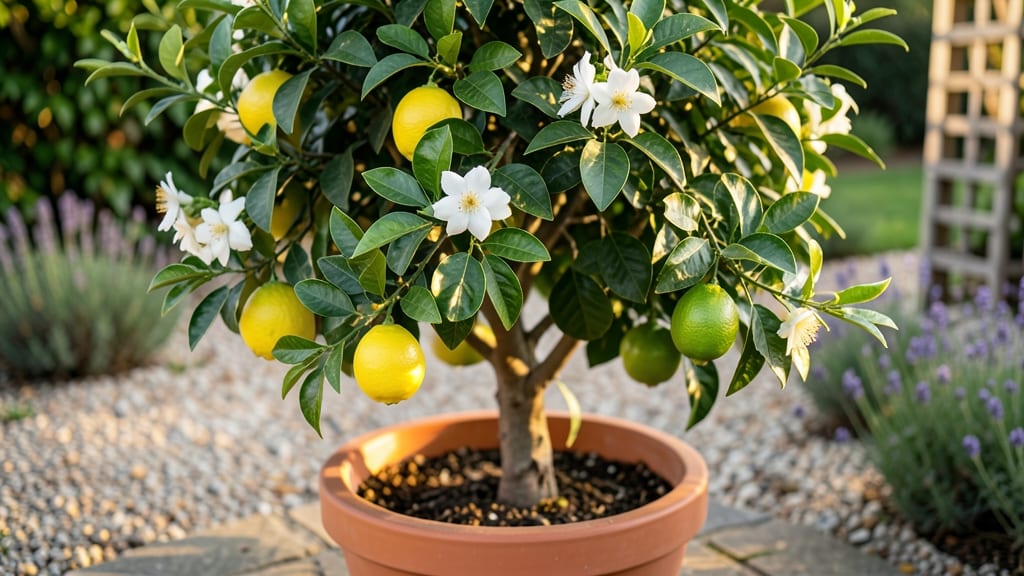
The ideal lemon tree temperature range is between 60°F and 85°F (15°C–29°C), with peak growth occurring at 70°F–75°F (21°C–24°C). While they can briefly handle 25°F (-4°C), temperatures below 20°F (-6°C) cause irreversible damage, and prolonged exposure to 90°F+ (32°C+) stresses the plant without proper care.
The perfect balance of warmth ensures your lemon tree stays productive year-round. 🌿 At 70°F–75°F, photosynthesis and root activity peak, leading to healthier foliage and more abundant fruit. When temperatures dip below 60°F, growth slows, while heat above 85°F can cause leaf scorch or fruit drop.
I’ve found that Meyer lemons handle slight heat better than standard varieties, but all types need consistent moisture during heatwaves to prevent stress.
Understanding these ranges helps you adjust care—whether moving potted trees indoors during cold snaps or providing afternoon shade in summer. The key is monitoring seasonal shifts and acting before extreme conditions set in.
💡 In This Article
- How Temperature Affects Lemon Tree Growth and Fruit Production
- Best Practices for Protecting Lemon Trees in Extreme Weather
How temperature affects lemon tree growth and fruit production
Temperature directly controls the metabolic processes that fuel your lemon tree's vitality. At 70°F–75°F (21°C–24°C), photosynthesis operates at peak efficiency, with chlorophyll absorbing sunlight to convert carbon dioxide into glucose at a rate 20% higher than at cooler temperatures.
The roots, too, thrive in this range, absorbing nutrients and water with minimal energy expenditure. When temperatures drop below 60°F (15°C), enzymatic activity slows, reducing growth by up to 40%—you’ll notice stunted new leaves and delayed flowering. 🌱
The flowering and fruiting cycles are particularly sensitive to temperature shifts. Lemon trees require a period of cooler weather (65°F–70°F (18°C–21°C)) to trigger blooming, but prolonged exposure below 55°F (13°C) can cause buds to drop entirely.
Heat stress above 90°F (32°C) disrupts pollen viability, leading to poor fruit set. Even when fruit forms, extreme heat can cause the skin to thicken prematurely, reducing juice content and sweetness—something I’ve observed in outdoor trees during summer peaks.
Root activity is another critical factor. Lemon trees have shallow root systems that struggle in temperatures below 50°F (10°C), as the soil cools and microbial activity declines. This reduces nutrient uptake, often resulting in yellowing leaves (chlorosis) even when the tree appears otherwise healthy.
Conversely, soil temperatures above 85°F (29°C) can lead to root burn, where cells die from overheating. Mulching with 2–3 inches of organic matter helps regulate soil temperature by 5–10°F, protecting roots year-round.
Indoor cultivation presents unique challenges. Most homes maintain temperatures between 68°F–72°F (20°C–22°C), which is ideal for growth but can lead to leggy, weak stems if light levels are insufficient. To compensate, I recommend supplementing with 12–16 hours of grow lights during winter months when natural light is scarce.
Outdoor trees, however, benefit from seasonal temperature fluctuations—cool nights (60°F–65°F (15°C–18°C)) followed by warm days (75°F–80°F (24°C–27°C)) enhance flavor development in the fruit.
Heatwaves above 95°F (35°C) trigger a survival response called "heat shock," where the tree closes stomata (pores) to conserve water. While this prevents dehydration, it also halts photosynthesis and nutrient transport. You’ll see leaves curling or wilting, even with regular watering.
To mitigate this, I’ve found that misting foliage in the early morning—when temperatures are 10°F cooler—can lower leaf surface temperatures by 5–8°F, reducing stress. 💦
Cold damage is equally insidious. When temperatures drop below 32°F (0°C), ice crystals form in plant cells, rupturing membranes and killing tissue. The first signs are brown, crispy edges on leaves, followed by blackened branches if the freeze lasts more than 2–3 hours.
Meyer lemons, a hybrid variety, tolerate slightly lower temperatures (20°F/-6°C for short periods) due to their genetic resilience, but standard varieties like Eureka or Lisbon will suffer permanent damage at 25°F (-4°C) or below.
Understanding these physiological responses lets you fine-tune care. For example, pruning in late winter (February–March) removes frost-damaged branches while the tree is still dormant, allowing it to redirect energy to new growth as temperatures rise.
Similarly, fertilizing with high-nitrogen formulations in spring supports rapid regrowth after cold stress. The goal is to work with the tree’s natural rhythms, not against them. ✨