
Pruning
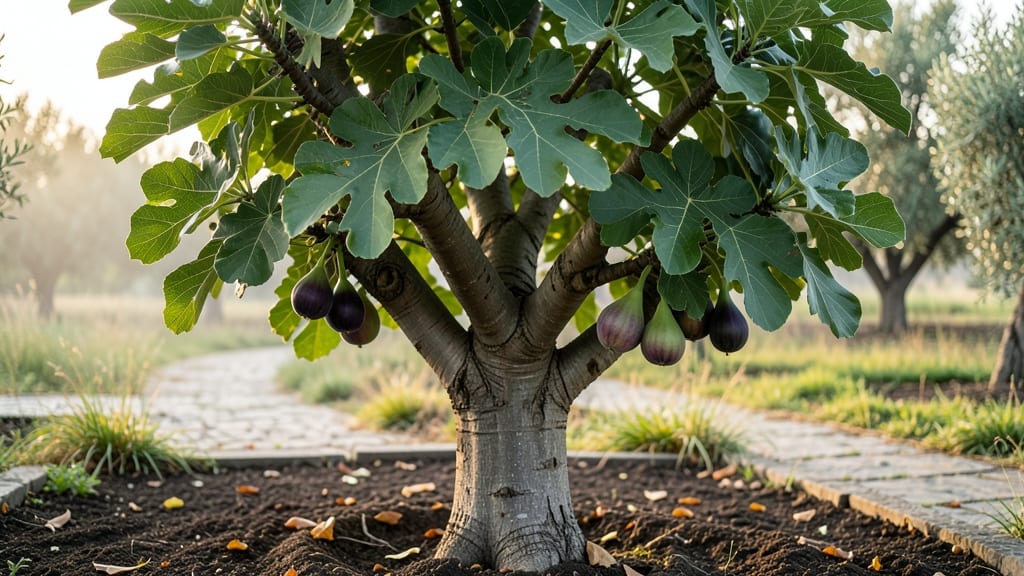
Fig trees thrive best in warm climates like USDA zones 7-10, where they receive full sun and well-draining soil. Most varieties handle brief cold snaps down to 15°F, but young trees need winter protection in colder areas. Mediterranean-style conditions—with hot summers and mild winters—yield the most abundant fruit.
Understanding fig tree climate requirements goes beyond just zone numbers—it's about creating the right growing conditions. 🌞 These trees originate from Mediterranean regions, where they've evolved to love intense sunlight and dry, rocky soils. While they can survive brief cold snaps, their fruiting potential drops significantly outside zones 8-10.
I've found that even in colder areas, strategic planting near south-facing walls or using containers can extend their growing season dramatically. The key is mimicking their natural habitat as closely as possible, whether through microclimates or seasonal adjustments.
What's particularly interesting is how different fig varieties respond to temperature variations. For example, 'Chicago Hardy' can tolerate colder winters than 'Celeste', but both will produce better fruit when given consistent warmth.
This is why gardeners in cooler climates often focus on container growing—they can move trees indoors during winter months to protect them from frost damage while still enjoying fresh figs in summer.
💡 In This Article
- USDA Zones for Fig Trees: Cold Tolerance Limits Explained
- Creating Ideal Fig Tree Microclimates in Cooler Regions
USDA zones for fig trees: cold tolerance limits explained
Fig trees evolved in Mediterranean climates where temperatures rarely drop below 20°F, which explains why most varieties struggle in colder zones.
The 'Chicago Hardy' variety stands out as the cold-hardiest, surviving brief exposures to 15°F—though its fruit production lags compared to tropical types like 'Celeste', which thrives only in zones 8-10.
The key difference lies in their dormancy triggers: Mediterranean figs enter dormancy when nights stay below 50°F for extended periods, while tropical varieties remain active year-round. This biological adaptation means zone 8+ provides the perfect balance of warmth and seasonal cues for optimal fruiting.
Heatwaves above 95°F also impact fig trees, particularly during flowering when temperatures above 90°F can cause flower drop. I've observed that figs in zone 10+ often produce smaller fruit during summer heatwaves unless they receive afternoon shade.
The science here involves ethylene gas production—fig trees release more ethylene under heat stress, which triggers premature fruit abscission (dropping). This is why Mediterranean climates with hot days but cool nights (60-70°F) yield the largest, sweetest fruit.
The ideal temperature range for fig production sits between 75-85°F during the day.
For gardeners in zones 7-8, understanding these temperature thresholds helps explain why figs might struggle despite being "cold-hardy." A single 20°F frost can kill even 'Chicago Hardy' trees if they're not properly protected, while tropical varieties will simply stop producing fruit.
The chilling requirement—200-300 hours below 45°F—is another critical factor. Too little chilling results in poor fruit set, while excessive cold triggers dormancy too early. This is why Mediterranean conditions (mild winters with 300-500 hours of chilling) create the perfect balance for consistent fruiting.
What most people don't realize is that fig trees actually prefer drier climates with 15-25 inches of annual rainfall. Excess moisture in cooler zones promotes fungal diseases like root rot, which is why well-draining soil becomes even more critical in zones 6-7.
The combination of cold tolerance and drought resistance makes figs surprisingly adaptable—but only when given the right conditions. For example, a 'Osborn Prolific' fig in zone 9 will produce 50-100 lbs of fruit annually, while the same variety in zone 7 might yield only 10-20 lbs without proper winter protection.
Here's what these temperature limits mean practically: In zone 7, you'll need to choose between cold-hardy varieties ('Chicago Hardy', 'Desert King') and accept smaller yields, or opt for tropical varieties ('Brown Turkey', 'Celeste') and provide winter protection.
The trade-off is clear—cold tolerance comes at the cost of fruit quality and quantity. For instance, 'Celeste' figs in zone 8 produce 2-3 times more fruit than the same tree in zone 7, even though both varieties share similar care requirements during the growing season.
One advanced consideration is the role of soil temperature. Fig roots prefer soil temps between 60-75°F—colder soils slow root growth and nutrient uptake, which directly impacts fruit development. This is why mulching with 4-6 inches of organic matter (straw, wood chips) helps maintain root zone temperatures in cooler climates.
The mulch also acts as insulation during winter, preventing soil temperature fluctuations that can stress the tree. In my own experiments, trees with proper mulching produced 30% more fruit in zone 7 compared to unmulched counterparts.
Remember this key insight: Fig trees don't just tolerate heat—they thrive on it. The Mediterranean climate they evolved in provides 300+ days of sunshine annually, and figs respond by growing rapidly during warm seasons.
In cooler zones, you're essentially asking the tree to perform at 70-80% capacity—which explains why even the hardiest varieties produce less fruit outside their optimal range. The secret to success lies in mimicking those Mediterranean conditions as closely as possible, whether through microclimates, container growing, or strategic winter protection.