
Pruning
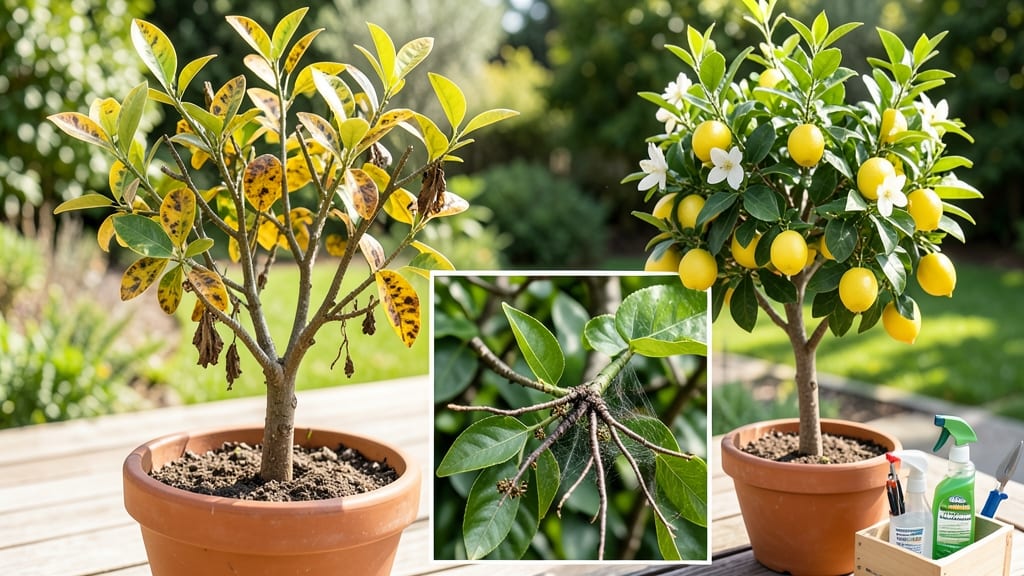
Your sick lemon tree looking sadder than a rainy-day houseplant? Root rot might be the culprit—and the good news is, it’s fixable. 🌱 I’ve nursed back more than a few lemon trees from this exact problem, and the key is acting fast before the roots give up for good.
Yellowing leaves, wilting branches, and soil that smells like a swamp? Those are your red flags. Root rot thrives in soggy soil, clogged drainage, or overwatering, and once it sets in, it spreads faster than gossip at a garden club.
The earlier you catch it, the easier the rescue—think of it like catching a cold before it turns into pneumonia.
We’re talking three simple steps: improving drainage, trimming the rotten roots, and giving your tree a fresh start with the right soil mix. Within weeks, you’ll see new growth pushing through, and those lemons will be back on track for harvest season.
No fancy tools or expensive treatments—just elbow grease and patience.
Works for container-grown trees or in-ground plants, and the same method tackles overwatered citrus trees too. Let’s get your lemon tree back to its happy, fruiting self—before the neighbors start asking questions.
Root Causes Behind a Sick Lemon Tree
When your lemon tree starts looking off, it’s often a sign that something’s gone wrong beneath the soil—or even in the air around it. Understanding the why behind your tree’s decline is the first step to saving it.
Below, we break down the most common culprits, backed by science, so you can diagnose—and fix—the problem fast.
Root rot is the #1 killer of lemon trees, and it’s almost always caused by too much water. Lemon trees thrive in well-draining soil, but when they sit in soggy conditions, their roots suffocate. Here’s the science:
- Anaerobic conditions: Too much water displaces oxygen in the soil, creating an environment where harmful Pythium and Phytophthora fungi flourish. These microbes attack root tissues, blocking water and nutrient uptake.
- Root asphyxiation: Healthy roots need oxygen to respire. Without it, they weaken, turn brown or black, and eventually decay. Symptom alert: Yellowing leaves, wilting even when soil is wet, and a foul, mushy smell at the base.
- Container vs. ground issues: Potted lemon trees are especially vulnerable because water pools at the bottom. If the pot lacks drainage holes or you’re overzealous with watering, roots drown in 24–48 hours.
💡 Pro Tip: Stick your finger 2 inches into the soil—if it’s damp, wait to water. Lemon trees prefer soil that’s dry to the touch between waterings.
Not all lemon tree problems come from the ground. Pests like scale insects, aphids, and spider mites drain your tree’s vitality by sucking out sap, leaving behind a sticky residue called honeydew. This triggers sooty mold, which blocks sunlight and stunts growth.
- Scale insects: These armored pests attach to stems and leaves, creating white or brown bumps. They excrete honeydew, which attracts ants (a red flag!). Result: Stunted growth, curled leaves, and a general "sickly" appearance.
- Aphids: Tiny green or black bugs cluster on new growth, causing leaves to yellow and distort. They also spread viral diseases like citrus tristeza virus.
- Spider mites: In dry conditions, these microscopic pests spin webs on the undersides of leaves, leading to bronzing (leaves turn yellow with brown speckles).
🔥 Warning: If you see ants trailing up your tree, they’re farming aphids—interrupt this cycle with a strong spray of water or insecticidal soap.
Lemon trees are sun-lovers, but extremes—whether scorching heat or sudden cold—can shock them into sickness. Here’s how environmental factors play a role:
- Sunburn: Intense afternoon sun (especially in hot climates) can scorch leaves, causing white or brown patches that crisp like paper. Solution: Provide afternoon shade during peak summer months.
- Cold damage: Temperatures below 28°F (-2°C) can kill lemon tree leaves and branches. Frost causes blackened, mushy spots on foliage. Prevention: Mulch heavily in winter and protect young trees with frost cloth.
- Windburn: Strong, dry winds strip moisture from leaves, leading to brown, papery edges. Fix: Plant near a windbreak or use burlap screens in exposed areas.
🌡️ Ideal conditions: Lemon trees need 6–8 hours of sunlight daily and thrive in temperatures between 60–85°F (15–29°C). If your tree is struggling, check its microclimate—sometimes a neighbor’s building or dense foliage blocks needed light.
Fungi and bacteria thrive in moist, warm conditions, turning your lemon tree into an all-you-can-eat buffet. These pathogens don’t just weaken your tree—they can kill it if left unchecked.
- Citrus Canker (Xanthomonas bacteria): Causes raised, water-soaked lesions on leaves and fruit that ooze when wet. It spreads via wind, water, and tools. Solution: Prune infected branches 1 inch below the lesion and sterilize pruners with rubbing alcohol.
- Melanose (Diplodia fungus): Creates black, sunken spots on fruit and leaves. It thrives in humid conditions. Prevention: Space trees for airflow and avoid overhead watering.
- Anthracnose: Causes dark, circular spots that enlarge and kill leaf tissue. Common in wet springs. Fix: Apply copper fungicide as a preventive spray before rainy seasons.
🎯 Key defense: Cleanliness is critical. Remove fallen leaves and fruit promptly, and avoid wetting foliage when watering.
Now that you know the why, the next step is action. In the following sections, we’ll show you how to diagnose, treat, and prevent these issues—so your lemon tree can bounce back healthier than ever.
Revive Your Lemon Tree Now
A sick lemon tree doesn’t have to be a lost cause—with the right care, you can nurse it back to health and even prevent future issues. Below are practical, step-by-step solutions tailored to the most common causes of ailing lemon trees, from fungal infections to nutrient deficiencies.
Let’s get your citrus champion thriving again!
Root rot is a silent killer, but early action can save your tree. If the soil smells sour, the trunk feels mushy, or leaves yellow despite regular watering, root rot may be the culprit.
🔥 Step 1: Stop Watering Immediately
Overwatering is the #1 cause of root rot. Let the soil dry out completely before watering again—no exceptions.
🍳 Step 2: Prune Damaged Roots (Gently!)
- Carefully dig around the base of the tree (no deeper than 6–8 inches).
- Use sterilized pruning shears to trim away any black, mushy roots.
- Do not pull healthy roots—only remove the obviously decayed ones.
👨🍳 Step 3: Repot or Improve Drainage
- If in a pot: Repot in fresh, well-draining soil mixed with perlite or sand (50/50 ratio).
- In-ground? Amend the soil with compost and coarse sand to improve aeration.
- Pro Tip: Elevate the tree slightly by adding a mound of gravel under the root ball for better drainage. ✨
⏰ Step 4: Apply Fungicide & Monitor
- Spray the roots and surrounding soil with a copper-based fungicide (like CuPro).
- Avoid watering for 5–7 days to let the fungicide work.
- Watch for signs of recovery—new green leaves mean progress!
Yellow or brown spots with yellow halos? That’s fungal leaf spot, and it spreads fast.
🔪 Step 1: Remove Infected Leaves
- Snip off all spotted leaves and dispose of them in the trash (not compost).
- Sterilize your pruners with rubbing alcohol between cuts.
🌡️ Step 2: Spray with Fungicide
- Use a copper fungicide (like Bonide Copper Fungicide) every 7–10 days for 3 weeks.
- Morning applications work best—avoid spraying when leaves are wet.
🎯 Step 3: Improve Airflow & Reduce Humidity
- Prune nearby branches to allow sunlight and airflow.
- Water at the base (not overhead) to keep leaves dry.
- Pro Tip: Space trees 6–8 feet apart to prevent future outbreaks. 🌿
Yellowing leaves with green veins? Nitrogen deficiency. Pale yellow leaves? Magnesium or iron issue.
📊 Step 1: Test Your Soil
- Use a DIY soil test kit (or send a sample to a local extension office).
- Quick fix: If soil is alkaline (pH >7), mix in sulfur or peat moss to lower pH.
🥗 Step 2: Fertilize Correctly
- For nitrogen: Use a balanced citrus fertilizer (6-6-6 or 8-3-9) every 6–8 weeks in spring/summer.
- For magnesium/iron: Apply Epsom salt (1 tbsp per gallon of water) or chelated iron every 2 weeks until leaves green up.
- Avoid over-fertilizing—burnt leaf edges mean too much salt!
🍎 Step 3: Mulch & Water Deeply
- Add 2–3 inches of organic mulch (straw or wood chips) to retain moisture and nutrients.
- Water deeply but infrequently—citrus trees hate soggy roots!
Once your lemon tree is back in shape, keep it healthy with these habits:
✅ Water wisely: Only when the top 2 inches of soil are dry (stick your finger in to check!). ✅ Prune regularly: Remove dead/diseased branches in late winter to improve airflow. ✅ Rotate fungicides: If you’ve used copper, switch to neem oil next season to prevent resistance. ✅ Watch for pests: Spider mites and aphids love weak trees—spray with soapy water if you spot them.
Your lemon tree can bounce back—just stay consistent! With the right fixes and a little patience, you’ll be harvesting juicy lemons in no time. 🍋✨
Frequently asked questions
How do I tell if my lemon tree has root rot or just needs more water?
Check the soil first—if it's damp 2 inches down and leaves are yellowing despite dry soil, it's likely root rot. Root rot also causes a foul, mushy smell at the base, while thirsty trees just have dry soil and crispy edges. Tap the trunk gently: if it feels soft or hollow, that's a red flag for rot.
Can I save a lemon tree with blackened leaves from frost damage?
Yes, but act fast! Prune back the damaged branches 1 inch above the blackened areas with sterilized shears. Protect remaining branches with frost cloth if cold weather returns. New growth should emerge from healthy buds within 4-6 weeks if the roots are still intact.
What's the fastest way to treat spider mites on my lemon tree?
Start with a strong spray of water to knock them off, then apply neem oil solution (1 tsp per quart of water) every 5 days for 2 weeks. For severe cases, add insecticidal soap. Focus on the undersides of leaves where they hide, and repeat until you see no more webbing.
How often should I fertilize a recovering lemon tree?
Wait until new growth appears, then use a balanced citrus fertilizer (6-6-6) every 6-8 weeks during spring and summer. Avoid fertilizing in winter or when the tree is visibly stressed. Over-fertilizing can burn roots and make recovery harder.
Will my lemon tree produce fruit if it's been sick for months?
It depends! If the roots are healthy and you've addressed the core issue, new growth should produce fruit within 12-18 months. However, severely weakened trees may take longer. Remove any existing fruit to help the tree redirect energy to recovery first.