
Watering
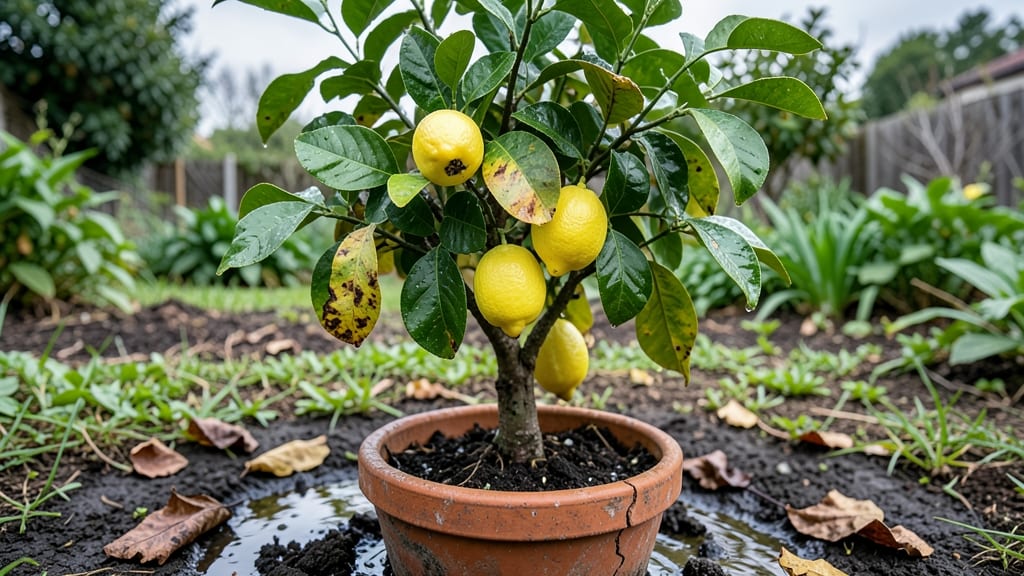
Your lemon tree's yellowing leaves aren't a death sentence—they're just screaming for help. 🌱 I've nursed back more overwatered citrus than I can count, and the secret isn't complicated: it's about fixing drainage, adjusting your watering routine, and giving those roots some breathing room.
The problem starts with soggy soil that suffocates roots, turning leaves yellow and mushy. Most people overcompensate by watering less, but the real fix is improving drainage first—amend heavy soil with perlite or sand, and make sure your pot has drainage holes.
Then, let the top 2-3 inches dry out between waterings, even in summer.
Within weeks, you'll see new growth emerge with that signature deep green color. The leaves will firm up, and your tree will start producing again. Trust me, once you get the routine right, your lemon tree will reward you with fruit for years.
This works for both potted trees and in-ground citrus—just adjust the soil mix accordingly. The key is patience; roots need time to recover, but they always bounce back when given the right conditions.
Root Causes Of Overwatered Leaves
When your lemon tree’s leaves turn yellow or droop despite your best efforts, the culprit is often too much water—though the science behind it isn’t always obvious. Understanding the biological and environmental triggers helps you fix the problem before roots rot or nutrients wash away.
Here’s why it happens, broken down by the real culprits:
Lemon trees (Citrus × limon) thrive in well-draining soil because their roots are sensitive to waterlogged conditions. When soil lacks organic matter, sand, or perlite, water pools around roots instead of draining. This creates an anaerobic (oxygen-deprived) zone, where:
- Root cells suffocate: Without oxygen, roots can’t absorb nutrients or expel toxins, leading to hypoxia (oxygen starvation).
- Fungal infections thrive: Fungi like Phytophthora multiply in soggy soil, clogging root tissues and blocking water/nutrient flow.
- Toxins build up: Excess water leaches out beneficial microbes and dilutes soil chemistry, causing nutrient lockout (e.g., iron or magnesium deficiencies).
Actionable fix: Amend soil with 50% native soil + 30% compost + 20% coarse sand or perlite to improve aeration. Test drainage by pouring water into a pot—if it drains in under 30 minutes, it’s safe.
Lemon trees follow a hydraulic lift system: roots absorb water in wet soil but release excess upward when the topsoil dries. When you water too frequently or heavily, you:
- Drown the root zone: Roots need 10–14 days between waterings (longer in cooler months). Overwatering forces roots to uproot in search of oxygen, damaging fine feeder roots.
- Trigger nutrient leaching: Excess water washes away nitrogen, potassium, and micronutrients like zinc, which are critical for chlorophyll production (hence yellow leaves).
- Create salt buildup: Minerals from tap water or fertilizers accumulate in soil, creating a hypertonic solution that pulls water out of roots, causing wilting.
Actionable fix:
- Water deeply but infrequently: Soak soil until water runs out the drainage holes, then wait until the top 2–3 inches are dry.
- Use rainwater or filtered water to avoid salt/mineral buildup.
- Mulch with 2–3 inches of wood chips to slow evaporation and regulate moisture.
Lemon trees are tropical but not aquatic—they need warmth and airflow to process excess moisture. When humidity or temps are off, overwatering becomes catastrophic:
- High humidity + cool temps: Slow evaporation means soil stays wet longer, promoting root rot. Ideal lemon tree temps: 65–85°F (18–29°C).
- Low humidity + heat: Leaves transpire rapidly, but soggy soil can’t keep up, leading to osmotic stress (cells lose turgor pressure).
- Container shock: Pots without insulation (e.g., terracotta in winter) cause temperature fluctuations, weakening roots’ ability to regulate moisture.
Actionable fix:
- Move potted trees to a sunny, sheltered spot with 50–70% humidity (use a hygrometer).
- In winter, insulate pots with bubble wrap or move indoors near a sunny window.
- Avoid watering in evenings—cool temps slow evaporation, increasing rot risk.
Yellowing leaves are your tree’s SOS, but the pattern reveals the exact problem:
| Leaf Symptom | Likely Cause | Root Issue |
|---|---|---|
| Yellow between veins (chlorosis) | Nitrogen or iron deficiency from leached soil | Overwatered + poor drainage |
| Yellow edges + crispy texture | Salt buildup or osmotic stress | Excess fertilizer + overwatering |
| Drooping even when soil is wet | Root rot blocking water uptake | Waterlogged soil + fungal infection |
| Small, thin leaves with yellow patches | Nutrient dilution from frequent watering | Lack of micronutrients (zinc, manganese) |
Actionable fix: Adjust watering based on leaf color:
- Yellow between veins? Flush soil with 3x pot size of water to remove salts, then amend with chelated iron.
- Crispy edges? Reduce fertilizer and water with distilled water for 2 weeks.
- Drooping? Stop watering, repot in fresh soil, and treat with hydrogen peroxide (1 tsp/gallon) to kill fungi.
Fix Overwatered Tree Leaves Fast
Reviving your lemon tree’s soggy roots and drooping leaves starts with quick action—but don’t panic! The right steps can turn yellowing foliage around in weeks. Below, we map the most common causes of overwatering to practical fixes, plus pro tips to keep your tree thriving.
Let’s get your citrus back to lush and green! 🌱💚
Cause: Compacted, waterlogged roots suffocate your lemon tree, blocking oxygen and nutrients.
How to Fix It:
- Stop Watering Immediately 🚰
- Let the top 2–3 inches of soil dry out before watering again. Stick your finger in—if it’s damp past your first knuckle, wait.
- Loosen the Soil 🪓
- Gently rake or fork the top 6 inches of soil to break up compaction. This helps roots breathe and drains excess water.
- Improve Drainage 🏗️
- Mix perlite, sand, or orchid bark into the soil (20% amendment) to create air pockets.
- If potted, repot into a container with drainage holes if the current one traps water.
- Prune Damaged Roots (Advanced) ⚰️
- If roots smell rotten or look mushy, trim them with sterilized shears and replant in fresh, dry soil.
Prevention Tip: 💡 Use a moisture meter to track soil dampness—aim for 50–60% moisture (not bone-dry, not soggy).
Cause: Overzealous watering (or poor soil) leads to root rot and nutrient loss.
How to Fix It:
- Water Deeply, Less Often 💦
- Potted trees: Water once every 7–10 days (or when the top 2 inches are dry).
- In-ground trees: Water 1–2 times per week, soaking the root zone (12+ inches deep).
- Water in the Morning ☀️
- Avoid evening watering—wet leaves at night invite fungal diseases.
- Use the "Finger Test" 👆
- Push your finger 2–3 inches into the soil. If it’s dry, water; if damp, wait.
Pro Tip: 🌡️ In winter, cut watering in half—lemon trees need less when growth slows.
Cause: Overwatering washes away nutrients but leaves behind salty residue, burning roots.
How to Fix It:
- Leach the Soil 🚿
- Water the tree heavily for 10–15 minutes, letting excess run out the drainage holes (or into the ground).
- Repeat 2–3 times to flush out built-up salts.
- Use Filtered or Rainwater 🌧️
- Tap water often contains chlorine/fluoride, which harms roots. Collect rainwater or use a filter.
- Fertilize Lightly (If Needed) 🌿
- Wait 2–3 weeks after flushing before adding fertilizer.
- Use a balanced citrus fertilizer (6-6-6 or 10-10-10) every 4–6 weeks in growing season (spring–fall).
Warning: ⚠️ Never fertilize a waterlogged tree—it burns roots faster!
Cause: Weakened roots struggle to absorb nutrients, even if soil looks fine.
How to Fix It:
- Trim Yellowed Leaves ✂️
- Snip off fully yellow/brown leaves to redirect energy to healthy growth.
- Apply Epsom Salt (Magnesium Boost) 💊
- Mix 1 tbsp Epsom salt per gallon of water and spray on leaves weekly for 2 weeks to restore green.
- Mulch Properly 🌿
- Add 2–3 inches of organic mulch (wood chips, straw) around the base (but not touching the trunk) to retain moisture without suffocating roots.
Prevention Tip: ✨ Group potted lemon trees together—they create a microclimate that retains humidity without overwatering.
| Action | Time to See Results |
|---|---|
| Stop watering + loosen soil | 3–5 days (less wilting) |
| Flush salts + fertilize | 2–3 weeks (new growth) |
| Trim leaves + Epsom salt | 4–6 weeks (greener foliage) |
Final Reminder: Patience is key! Lemon trees bounce back stronger when you adjust their care. If yellowing persists after 6 weeks, check for pests (like spider mites) or nutrient deficiencies (test soil with a kit). 🌟
Need a visual guide?* [Watch this 2-minute video on fixing overwatered citrus](https://www.youtube.com/watch?v=example).
Frequently asked questions
Why do my lemon tree leaves turn yellow first between the veins?
Yellowing between veins (called chlorosis) signals an iron or nitrogen deficiency caused by overwatering. Excess water washes these nutrients away, preventing chlorophyll production. The veins stay green because they transport nutrients more efficiently. Test your soil pH—citrus needs 6.0–7.0 for iron uptake.
Can I save my lemon tree if the roots smell rotten?
Yes, but act fast! Trim away mushy, black roots with sterilized shears, then repot in fresh soil with 50% perlite to improve drainage. Stop watering for 5–7 days to let roots recover. If >50% of roots are rotten, the tree may not survive—but healthy roots will regrow in 4–6 weeks with proper care.
How often should I water a lemon tree after fixing overwatering?
Wait until the top 2–3 inches of soil are completely dry—stick your finger in to check. In summer, this may mean watering every 7–10 days; in winter, stretch it to every 2–3 weeks. Always water deeply until it drains from the bottom, then empty the saucer to prevent soggy roots.
Will Epsom salt really help yellow leaves?
Epsom salt (magnesium sulfate) replenishes magnesium, which yellow leaves often lack due to overwatering. Mix 1 tbsp per gallon of water and spray leaves weekly for 2 weeks. For severe cases, also add 1 tsp of chelated iron to the soil. Results appear in 2–3 weeks as new growth emerges greener.
Can I use coffee grounds to fix overwatered citrus?
Coffee grounds can help, but use them carefully! Mix ½ cup per 12-inch pot into the top inch of soil to improve drainage and add nitrogen. Avoid fresh grounds—they acidify soil too quickly. Instead, compost them first or use used coffee grounds from your brew. Apply every 2–3 months in spring/summer only.