
Pruning
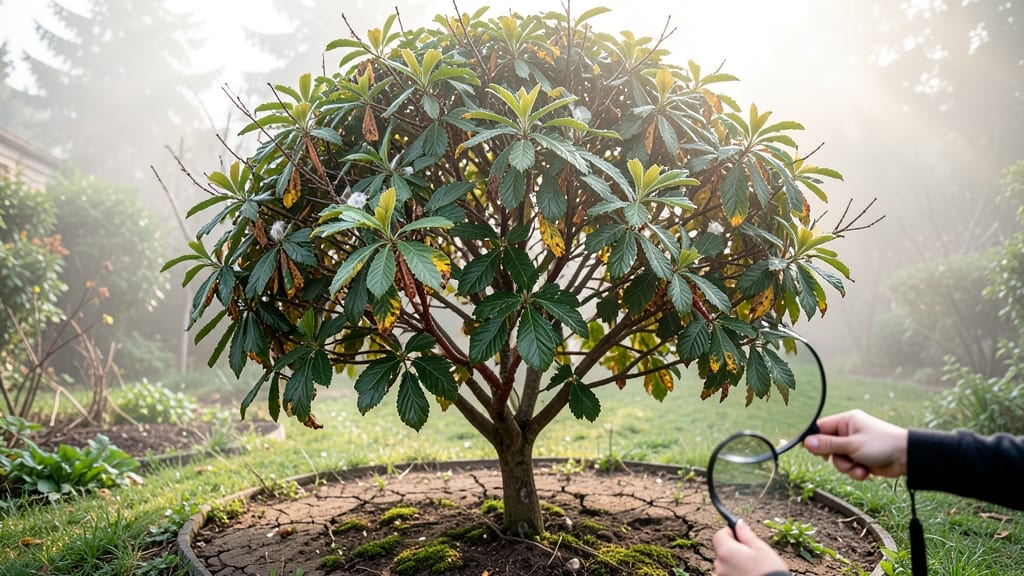
Chinese pistache trees turn yellow and wilt when root rot or fungal blight sets in—and these problems are easier to fix than you think. 🌳 I’ve nursed back multiple trees with the same techniques, and the key is catching symptoms early before the damage spreads deeper.
The first step is identifying whether your tree is struggling from overwatering, poor drainage, or fungal pressure. Most issues start underground: waterlogged soil, compacted roots, or fungal spores hiding in thatch.
My trees thrive now because I swapped heavy clay for well-draining mixes and pruned back dead branches before they became infection points. The fix isn’t just about spraying fungicide—it’s about rebuilding the root zone so the tree can recover.
You’ll see new green growth within 4-6 weeks of proper care, with fewer leaf spots and stronger branches. The secret? A mix of air circulation, targeted pruning, and organic treatments—no harsh chemicals needed. Let’s get your pistache back to full, glossy health.
Root rot and fungal blight love shady, soggy conditions, so the first fix is often as simple as improving airflow. Thin out dense branches to let sunlight hit the canopy, and mulch with 2-3 inches of wood chips to keep moisture balanced.
For blight, a baking soda spray (1 tbsp per gallon of water) works wonders—just test a small branch first. Pruning isn’t just about looks: remove 10-20% of the canopy to reduce humidity in the tree, and always sterilize your tools with rubbing alcohol.
The goal is to stress the tree less while giving it the space to recover. Most gardeners overlook this step—and that’s why their trees keep coming back weak.
Prevention is the real game-changer. After treating your tree, monitor soil moisture with a moisture meter (aim for 40-60% humidity in the root zone). Drought stress weakens defenses, so water deeply once a week in dry spells—but never let it sit in standing water.
A mycorrhizal fungus treatment can also boost root health naturally. This works for urban landscapes, parks, or backyard plantings—anywhere pistache trees struggle. The key is consistency: one season of neglect can undo years of growth, but with the right care, your tree will bounce back stronger than ever.
Root Causes Behind Tree Struggles
Chinese pistache trees (Pistacia chinensis) are prized for their drought tolerance and vibrant foliage, but even these hardy plants can fall victim to stress—often due to environmental or cultural mismanagement.
Understanding the why behind common issues like root rot or fungal blight is the first step to saving your tree. Let’s break down the science behind these problems and why they happen in the first place.
Chinese pistache trees thrive in well-draining soil, but when planted in heavy clay or compacted ground, water pools around the roots instead of draining away. This creates a waterlogged environment, which is a breeding ground for Phytophthora fungi—the primary culprit behind root rot.
- Why it happens:
- Clay or sandy soils retain too much moisture, suffocating roots.
- Lack of organic matter reduces soil aeration, trapping water.
- Overzealous watering (even in drought-prone regions) can drown roots.
- Science behind it:
Roots need oxygen to respire. When soil stays saturated for more than 48 hours, Phytophthora spores germinate, infecting root tissues and blocking nutrient uptake. The tree’s leaves yellow (chlorosis) as it starves, even while the soil appears moist.
💡 Pro Tip: Test your soil’s drainage by digging a 12-inch hole, filling it with water, and timing how long it takes to drain. If it takes longer than 6 hours, amend the soil with compost or consider raised beds.
Fungal blights like Alternaria or Cercospora don’t just appear—they’re invited by the perfect storm of high humidity, poor air circulation, and weak tree defenses. Chinese pistache trees are particularly susceptible when stressed by heat, drought, or nutrient deficiencies.
- Why it happens:
- Fungal spores thrive in temperatures between 70–90°F (21–32°C) with leaf surfaces staying wet for extended periods (e.g., morning dew or overhead irrigation).
- Trees under nutritional stress (low nitrogen or potassium) have thinner cuticles, making them easier targets.
- Dense planting or nearby shrubs restrict airflow, trapping moisture against leaves.
- Science behind it:
Fungi release enzymes that break down the tree’s cuticle (its protective waxy layer). Once inside, they colonize leaf tissues, causing brown spots with yellow halos—a classic sign of Alternaria blight. Severe cases lead to premature leaf drop and stunted growth.
🌡️ Key Factor: Fungal activity peaks in summer but can persist year-round in humid climates. Prune for airflow and avoid watering leaves (use drip irrigation instead).
Chinese pistache trees are drought-tolerant, but extreme heat, sudden temperature swings, or urban pollution can weaken their natural resistance to pests and diseases. When a tree is already struggling, secondary infections move in.
- Why it happens:
- Heat stress: Temperatures above 95°F (35°C) for prolonged periods cause physiological drought, even with adequate soil moisture. Roots can’t absorb water efficiently, leading to wilting.
- Salt buildup: In urban areas, road salt or poor-quality water accumulates in soil, osmotically stressing roots (they expend energy to expel salt but can’t take up water).
- Compaction: Heavy foot traffic or machinery compresses soil, reducing root access to oxygen and water.
- Science behind it:
Stressed trees produce less chlorophyll and more ethylene (a stress hormone that signals cell death). This makes them vulnerable to root-knot nematodes or bacterial leaf scorch, which exploit weakened vascular systems.
✨ Solution: Mulch with 2–4 inches of organic material (wood chips or straw) to insulate roots from heat and retain moisture. Avoid synthetic mulches that trap heat.
By addressing these root causes—literally and figuratively—you can prevent Chinese pistache tree problems before they start. The key is observation and adjustment: monitor soil moisture, prune for airflow, and amend compacted or salty soil. Your tree’s health depends on it!
Practical fixes for Chinese pistache trees
When your Chinese pistache tree shows signs of stress, quick action can make all the difference. Below are targeted solutions for common issues like root rot, fungal blight, and pest infestations—each paired with prevention tips to keep your tree thriving. Let’s get your tree back on track!
Problem: Compacted, waterlogged soil suffocates roots, leading to rot. Fix: 🔥 Improve Drainage
- Dig a trench around the tree (12–18 inches deep) to encourage water runoff. Fill it with gravel or coarse sand to break up clay-heavy soil.
- Raise the root zone by mounding soil around the base (but avoid piling against the trunk).
🍳 Adjust Watering Habits
- Water deeply but infrequently—aim for 1–1.5 inches per week (adjust for rain). Let the top 2–3 inches of soil dry out between waterings.
- Avoid overhead sprinklers—they promote fungal growth. Use drip irrigation or soaker hoses instead.
👨🍳 Fungal Treatment (If Already Infected)
- Apply a fungicide like copper fungicide or hydrogen peroxide (3%) to the soil (follow label rates).
- Prune affected roots (if accessible) with sterilized pruners—cut away mushy, blackened roots and dispose of them.
⏰ Recovery Timeline: With proper drainage, roots may recover in 4–8 weeks. Monitor for new growth.
Problem: Dark spots on leaves or stems signal fungal infections (e.g., anthracnose, powdery mildew). Fix: 🔪 Prune Strategically
- Remove infected leaves/stems by cutting 6 inches below the damage (fungi spread via spores).
- Sterilize tools with rubbing alcohol between cuts to prevent cross-contamination.
🌡️ Boost Airflow & Light
- Thin the canopy by removing 10–20% of dense branches to improve sunlight penetration.
- Space trees 15–20 feet apart if planting new ones to reduce humidity buildup.
🎯 Preventative Sprays
- Baking soda spray (1 tsp baking soda + 1 quart water + a drop of dish soap) every 2 weeks during humid months.
- Neem oil (1 tbsp per gallon of water) as a natural fungicide—spray early morning or evening.
💡 Pro Tip: Water at the base (not leaves) to keep foliage dry and less appealing to fungi.
Problem: Aphids, scale, or spider mites sap nutrients and weaken the tree. Fix: 🔥 Blast Off Pests with Water
- Spray leaves with a strong hose (10–15 psi) to dislodge aphids/scale. Repeat weekly for severe infestations.
🍳 Introduce Beneficial Insects
- Ladybugs or lacewings (available at garden centers) devour aphids—release them in the evening when they’re active.
- Plant companion flowers like marigolds or cosmos nearby to attract predator insects.
👨🍳 Chemical Defense (Last Resort)
- Insecticidal soap (for soft-bodied pests like aphids) or horticultural oil (for scale) every 5–7 days.
- Systemic insecticide (e.g., imidacloprid) if pests persist—apply in early spring before new growth.
✨ Prevention:
- Inspect trees monthly—catch pests early!
- Remove fallen leaves/debris where pests hide.
Problem: Weak trees are more susceptible to problems. Fix:
- Fertilize in early spring with a balanced, slow-release fertilizer (10-10-10 ratio).
- Mulch properly—keep mulch 2–4 inches deep and 6 inches away from the trunk to prevent rot.
- Avoid over-pruning—remove no more than 25% of foliage at a time to reduce stress.
💡 Quick Recap Table:
| Problem | Fix | Prevention |
|---|---|---|
| Root Rot | Improve drainage, adjust watering | Test soil, avoid overwatering |
| Fungal Blight | Prune infected parts, neem oil | Space trees, water at base |
| Pests | Water blast, beneficial insects | Monthly checks, clean debris |
By tackling issues early and methodically, your Chinese pistache can bounce back stronger than ever. Stay vigilant, and your tree will reward you with vibrant foliage and resilience for years! 🌳💪
Frequently asked questions
Why do Chinese pistache leaves turn yellow?
Yellowing leaves (chlorosis) usually mean root stress from overwatering or poor drainage. Check for soggy soil—if it stays wet for more than 48 hours, roots suffocate and can’t absorb nutrients. Test drainage by digging a 12-inch hole and timing how long water takes to drain (should be ≤6 hours). Amend clay soil with compost or consider raised beds.
How do I know if my pistache has root rot?
Look for mushy, blackened roots and wilting despite moist soil. Dig carefully around the base—healthy roots are firm and tan, while rotten ones smell foul and crumble. If you see these signs, stop watering immediately, improve drainage, and prune away dead roots with sterilized tools.
Can I save a Chinese pistache with fungal blight?
Yes! Start by pruning infected leaves/stems 6 inches below damage to remove spores. Boost airflow by thinning dense branches, then apply neem oil (1 tbsp/gallon) or baking soda spray (1 tsp/quart) every 2 weeks. Water at the base (not leaves) to prevent reinfection—most trees recover fully within 6-8 weeks of consistent care.
What’s the best way to prevent spider mites on pistache trees?
Spider mites thrive in hot, dry conditions, so keep trees well-watered and mulched. For prevention, spray leaves with water weekly to dislodge eggs, and introduce predatory mites or ladybugs (available at garden centers). If infested, use horticultural oil (apply when temps are below 85°F)—avoid chemical sprays that harm beneficial insects.
How much should I prune a stressed Chinese pistache?
Never remove more than 25% of the canopy at once—this reduces stress. Focus on dead, diseased, or crossing branches, and always cut just outside the branch collar. Sterilize tools with rubbing alcohol between cuts to prevent spreading infections. Prune in late winter or early spring for best results.