
Pruning
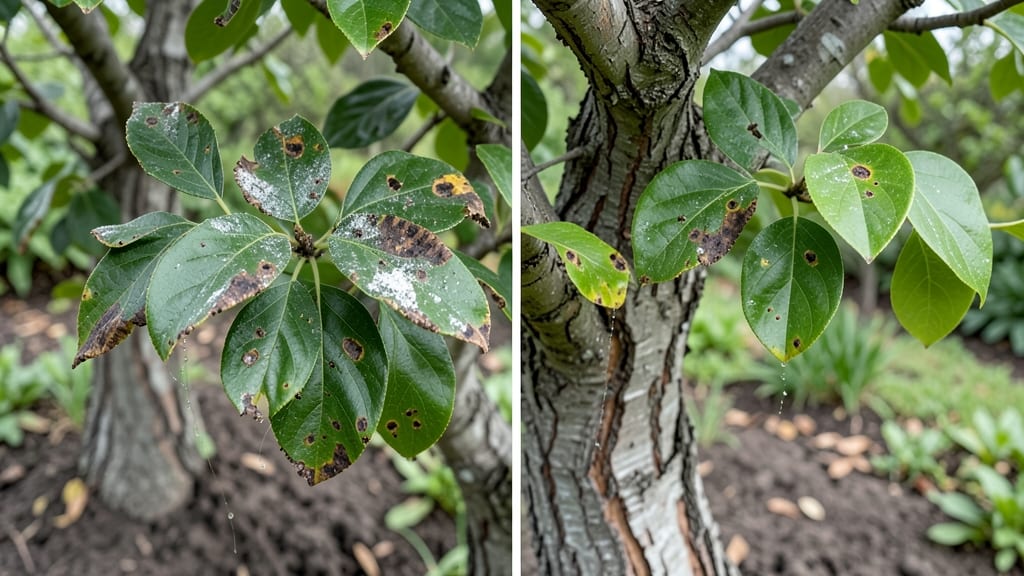
The problems with your Oklahoma redbud tree aren’t just a spring sight—they’re a cry for help from your tree. 🌳 I’ve seen this happen every year in our 90-degree summers, and the fix isn’t just about pruning.
It’s about understanding why your redbud is struggling in our heat, drought, and pest-heavy climate. The most common culprits are spider mites, fungal leaf spot, and heat stress—all of which thrive in Oklahoma’s dry winds and sudden storms.
Yellowing often starts at the edges or between veins, and if ignored, it spreads until the tree looks like it’s giving up. But here’s the good news: with the right pruning and care, you can revive it before summer sets in.
Start by removing only the most damaged branches—never more than 20% of the canopy at once. Then focus on improving soil moisture and mulching to protect roots from our brutal summers. A deep watering once a week (not daily light sprinkles) makes all the difference in our clay-heavy soil.
This method works for redbuds in any Oklahoma climate zone, from the panhandle to the Ozarks. The key is acting fast—before the yellow turns brown and the tree loses its signature pink blooms forever.
Understanding root causes
When your Oklahoma redbud tree (Cercis canadensis) starts showing signs of distress—like yellowing leaves, stunted growth, or early leaf drop—it’s often a cry for help from deep within its system.
Let’s break down the key culprits behind these issues, so you can diagnose and address them like a pro. 🌱🔍
Oklahoma’s climate is no stranger to rapid temperature shifts, especially during spring and fall. Redbud trees thrive in USDA Hardiness Zones 4-9, but when temperatures plummet below 10°F or spike above 95°F for prolonged periods, the tree’s metabolic processes go into overdrive—or shutdown.
- Cold damage: Freezing temps can rupture cell walls in leaves and buds, causing them to blacken or drop prematurely. This is especially true for young trees with shallow root systems that can’t regulate temperature as effectively.
- Heat stress: High temperatures combined with low humidity (common in Oklahoma’s summer) lead to transpiration stress. The tree loses water faster than its roots can absorb it, causing leaves to curl, yellow, or scorch at the edges.
- Sudden frost after blooming: If your redbud blooms early (a common trait) and a late frost hits, the flowers may die back, weakening the tree’s energy reserves for leaf production.
Pro Tip: 🌡️ Mulch around the base of the tree with 2-4 inches of organic mulch (like wood chips or straw) to insulate roots. Water deeply before a heatwave hits to boost the tree’s drought tolerance.
The redbud tree is particular about its soil conditions. Oklahoma’s native clay or sandy soils often lack the ideal balance of nutrients, pH, and drainage this tree craves. Here’s what goes wrong:
| Issue | Signs | Why It Happens |
|---|---|---|
| 🟡 Yellowing leaves (chlorosis) | New leaves are pale yellow, especially between veins; older leaves stay green. | The soil is too alkaline (pH > 7.0), locking out iron and manganese, which are essential for chlorophyll production. Oklahoma’s clay soils often have a natural pH of 7.5-8.5. |
| 🟤 Purple or brown leaf edges | Leaves develop dark spots or edges, especially in hot weather. | Lack of phosphorus or potassium, or overwatering, leading to nutrient leaching. Sandy soils drain too quickly, while clay soils may suffocate roots. |
| ❄️ Stunted growth | Tree grows slowly or not at all; buds fail to open. | Soil is compacted or waterlogged, cutting off oxygen to roots. Redbuds hate “wet feet” and struggle in heavy clay that doesn’t dry out. |
Pro Tip: 💡 Test your soil’s pH (aim for 6.0-7.0) and amend with sulfur or peat moss to lower alkalinity. For nutrient deficiencies, use a balanced fertilizer (10-10-10) in early spring, or a chelated iron supplement for chlorosis.
Oklahoma’s unpredictable rainfall—from droughts to sudden downpours—can throw your redbud’s water needs into chaos. Overwatering or underwatering both trigger stress responses:
- Underwatering:
- Leaves wilt, crisp, or turn brown at the edges (a classic sign of drought stress).
- Roots recede from the soil to seek moisture, leaving the tree vulnerable to pests.
- Common in sandy soils or during Oklahoma’s summer heatwaves (when evaporation rates skyrocket).
- Overwatering:
- Leaves yellow and drop, while the soil stays soggy for days.
- Fungal diseases like root rot (Phytophthora) or canker take hold in waterlogged clay soils.
- Oklahoma’s heavy spring rains can drown shallow roots if drainage is poor.
Pro Tip: ✨ Water deeply but infrequently: Aim for 1-1.5 inches per week (including rainfall), and ensure the soil drains within 24 hours. Install a soil moisture sensor to avoid guesswork, or dig a 6-inch hole near the tree—if it’s dry at that depth, it’s time to water.
Oklahoma’s warm, humid summers create a buffet for pests and pathogens that target redbud trees. Here’s what’s likely attacking yours:
- Japanese beetles:
- Adult beetles skeletonize leaves (eating tissue between veins), leaving a lacy pattern.
- They thrive in hot, dry conditions—perfect for Oklahoma summers.
- Scale insects:
- These sap-sucking pests coat stems and leaves in a sticky, white residue (honeydew), which attracts sooty mold.
- Weakens the tree by blocking sunlight and spreading diseases.
- Fungal diseases (e.g., powdery mildew, anthracnose):
- Cause white or brown spots on leaves, premature defoliation, or cankers on branches.
- Spores spread in wet, humid conditions—common after Oklahoma’s spring rains.
Pro Tip: 🔥 Monitor for pests weekly during growing season. Use neem oil or insecticidal soap for beetles/scale, and prune out infected branches (sterilize tools with rubbing alcohol) to stop fungal spread. Improve air circulation by thinning dense foliage.
Redbud trees are naturally prone to weak branch unions and suckering (sprouting unwanted shoots from the base or trunk). When pruned incorrectly, you invite problems like:
- Over-pruning:
- Removing more than 25% of foliage at once stresses the tree, reducing its ability to photosynthesize and store energy.
Quick Fixes for Oklahoma Redbud Trees
Reviving your Oklahoma redbud tree starts with identifying the root cause—but once you’ve pinpointed the issue, these practical, step-by-step solutions will help you restore its health. From nutrient deficiencies to pests and pruning mistakes, we’ve broken down the fixes by problem so you can act fast.
Don’t forget the prevention tips at the end to keep your tree thriving long-term!
---
Problem: Pale, yellowing leaves that won’t turn pink? Your redbud may be starving for essential nutrients—or drowning in too much water.
#### 🔥 Step 1: Test Your Soil Before adding fertilizers, check if your soil lacks key nutrients. Grab a soil test kit (available at garden centers) or send a sample to your local Oklahoma Cooperative Extension Service for a detailed analysis.
Redbuds thrive in slightly acidic to neutral soil (pH 6.0–7.5).
#### 🍳 Step 2: Amend the Soil - For iron/chlorosis (yellow leaves with green veins): - Sprinkle chelated iron granules around the root zone and water deeply. - Mix compost or well-rotted manure into the top 6 inches of soil to improve organic matter. - For nitrogen deficiency (pale green leaves): - Apply a slow-release nitrogen fertilizer (like 10-10-10) in early spring. - Pro tip: 💡 Use fish emulsion (a natural fertilizer) for a gentler boost.
#### 👨🍳 Step 3: Adjust Watering Habits Overwatering suffocates roots, leading to yellowing. Fix it: - Let the top 2–3 inches of soil dry out between waterings. - Ensure the tree has proper drainage—amend heavy clay soil with sand or perlite. - Avoid soggy soil in Oklahoma’s humid summers—mulch with wood chips to retain moisture without waterlogging.
---
Problem: Sticky leaves, tiny webs, or black sooty mold? Pests are likely sucking the life out of your redbud.
#### 🔪 Step 1: Blast Off Pests with Water - Aphids & spider mites hate a strong spray.
Use a hose with a nozzle to blast them off leaves (do this in the early morning to avoid damaging foliage). - Scale insects (brown bumps on branches) are trickier—scrub them off with a soft brush dipped in soapy water.
#### 🌡️ Step 2: Apply Natural or Chemical Controls | Pest | DIY Fix | Stronger Option | |-------------------|--------------------------------------|------------------------------------| | Aphids | Spray with neem oil + water | Insecticidal soap (repeat weekly) | | Spider Mites | Horticultural oil spray | Miticide (like Acelepryn) | | Scale | Prune & burn infested branches | Systemic insecticide (Imidacloprid) |
Pro tip: ✨ Encourage beneficial insects like ladybugs and lacewings by planting dill, fennel, or marigolds nearby!
#### ⏰ Step 3: Monitor & Repeat - Check the tree weekly for new pests. - Prevent future infestations by keeping the area weed-free (pests love weeds!) and pruning to improve airflow.
---
Problem: Too many cuts, wrong season, or aggressive trimming can stress your redbud—leading to weak growth or disease.
#### 🔥 Step 1: Assess the Damage - Over-pruned? Look for bare branches, excessive leaf loss, or stunted growth. - Wrong cuts? Check for ragged edges, stubs, or branches growing inward.
#### 🍳 Step 2: Prune Properly (Do It Right This Time!) - Best time to prune redbuds: Late winter or early spring (just before buds swell). - How to cut: - Use clean, sharp pruners (sterilize with rubbing alcohol). - Cut at a 45-degree angle just above a bud or branch collar (never leave stubs!). - Remove only: - Dead, diseased, or crossing branches. - No more than 25% of the canopy in one season. - Avoid summer pruning—it stresses the tree in Oklahoma’s heat.
#### 👨🍳 Step 3: Encourage Recovery - After pruning, water deeply and apply a balanced fertilizer (like 10-10-10). - Mulch around the base (but keep it 3–4 inches away from the trunk) to retain moisture.
---
Once your redbud is back on track, keep these habits to avoid repeat issues:
✅ 💡 Soil Health: - Test soil every 2–3 years and amend as needed. - Avoid compacted soil—aerate with a garden fork if needed.
✅ 🌡️ Watering Wisdom: - Deep and infrequent > shallow, frequent watering. - Water at the base (not leaves) to prevent fungal diseases.
✅ 🎯 Pest Prevention: - Inspect monthly for early signs of pests. - Plant companion plants like garlic or rosemary to deter pests naturally.
✅ ✂️ Pruning Schedule: - Light pruning in late winter (before buds break). - Avoid heavy pruning—redbuds bloom on old wood, so aggressive cuts reduce flowers.
--- Final Thought: 🌟 With the right care, your Oklahoma redbud will bounce back—and next spring, you’ll be rewarded with stunning pink blooms! Start with the fixes above, then stick to the prevention tips to keep your tree happy for years.
Frequently asked questions about Oklahoma redbud tree care
Why are my redbud leaves turning yellow in Oklahoma’s heat?
Yellowing leaves are often caused by heat stress or iron deficiency in Oklahoma’s alkaline clay soils. Check if new leaves are pale yellow between veins—this is classic chlorosis. Test your soil pH (ideal is 6.0-7.0) and apply chelated iron if needed. Water deeply once weekly to help roots absorb nutrients.
How do I tell if my redbud has spider mites or fungal disease?
Spider mites leave tiny webs on leaves and cause stippling (tiny white dots), while fungal diseases create powdery white or brown spots. Examine leaves under a magnifying glass—mites are barely visible but move when disturbed. For fungal issues, check for spots that spread in wet weather. Prune infected branches immediately and avoid overhead watering.
Can I prune my redbud in summer to fix overgrowth?
No—never prune redbuds in summer! Oklahoma’s heat stresses the tree, and summer cuts reduce next year’s pink blooms (which form on old wood). Wait until late winter/early spring (just before buds swell). Remove only dead/diseased branches (never more than 25% of the canopy) and always cut at a 45-degree angle above a bud.
What’s the best mulch for Oklahoma redbuds?
Use 2-4 inches of organic mulch like wood chips or straw to retain moisture and regulate soil temperature. Keep mulch 3-4 inches away from the trunk to prevent rot. In Oklahoma’s clay soil, mulch helps prevent waterlogging while protecting roots from extreme heat. Replenish annually as it breaks down.
Will my redbud recover if I’ve been overwatering it?
Yes, but act fast! Stop watering immediately and let the soil dry out. Improve drainage by amending clay soil with sand or perlite. If roots are already damaged, prune back any dead branches and fertilize lightly with 10-10-10 to help recovery. Monitor closely—overwatered redbuds are prone to root rot in Oklahoma’s humid summers.