
Pruning
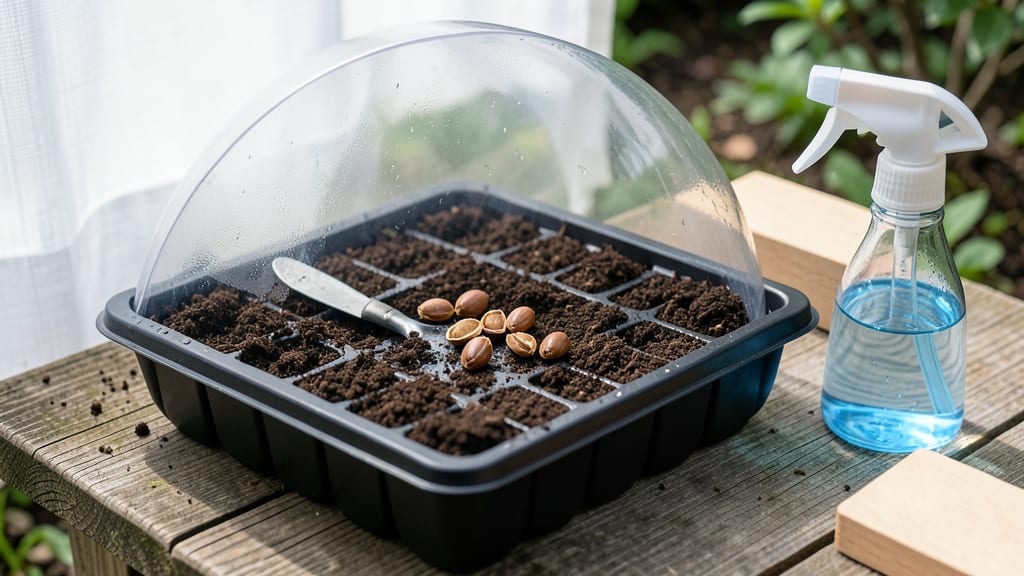
Growing Japanese cherry trees from seeds means waiting years for blooms—but the journey starts with finding the right seeds. 🌱 I’ve tried multiple varieties, and the cold-hardy ones from Zones 3-8 (like 'Autumnalis' or 'Accolade') are the most reliable starters.
The key is patience: seed-grown trees take 5-10 years to flower, but the process is rewarding for those willing to nurture them through every stage.
You’ll need a few simple supplies: a seed-starting mix, small pots, and a cold frame or refrigerator for stratification. Most Japanese cherry seeds require 60-90 days of cold treatment to break dormancy—this mimics winter conditions and tricks them into germinating.
Skip this step, and you’ll be waiting months longer (or not at all). The soil should stay consistently moist but never soggy, as rot is the biggest early threat.
Once sprouted, seedlings need bright, indirect light and protection from harsh winds. They’ll grow slowly at first, but with proper care, you’ll see sturdy stems by spring. The real magic happens years later when—if you’re lucky—you’ll finally see those delicate pink blossoms in late spring.
It’s a long game, but the payoff is worth it for anyone who loves the idea of growing something truly special.
Fair warning: seed-grown trees may not match the parent’s traits, so expect surprises in size, shape, or bloom time. That’s part of the adventure! For faster results, consider grafting later, but the seed method builds skills and deepens your connection to the tree’s life cycle.
Ready to start your own? Here’s how to keep those first few seedlings thriving.
📚 In This Guide
- What you need
- Instructions
- Tips and common mistakes
- Wrapping up and next steps
What you need
- ● Pro tip: 🌡️ If you’re in Zone 3–4, consider a mini greenhouse or cold frame to extend the growing season for tender seedlings!
How to grow Japanese cherry tree seeds successfully
Here's the straightforward approach I've used to grow cold-hardy cherry seedlings that thrive in Zones 3-8.
🌱 Step 1: Collect and Prepare Fresh Seeds
Gather seeds from ripe, fully mature cherries—only those that fall naturally from the tree will germinate reliably. I like to scoop them from under the tree in late fall, when they've had time to soften and dry slightly. Remove any seeds that feel mushy or show signs of rot, as these won't sprout. Spread the good seeds on a paper towel and let them dry completely for 3-5 days in a cool, dark place.
This drying step prevents mold and ensures even germination. Store the seeds in a sealed container in the refrigerator for 60-90 days—this cold stratification mimics winter conditions and breaks seed dormancy. Real talk: Skipping this step means waiting months for germination, if it happens at all.
⏰ Step 2: Stratify Seeds for Best Germination Rates
Fill a small container with a mix of damp sphagnum peat moss and sand (equal parts). Plant the seeds 1 inch deep, spacing them about 2 inches apart to prevent crowding. Cover the container loosely with plastic wrap to retain moisture, then place it in the refrigerator for 90 days. Check the mix every 2 weeks—it should stay cool and damp but not soggy.
You'll see the first signs of germination when tiny white roots appear through the soil surface. This usually happens 4-6 weeks into stratification. Don't rush this process—consistent cold treatment is what ensures strong, healthy seedlings later. If your fridge runs warmer than 40°F, move the container to a cooler spot or use a seedling heat mat set to 35-40°F.
🌿 Step 3: Plant Stratified Seeds in Growing Medium
After stratification, transfer the seeds to individual 3-inch pots filled with a light, airy mix of 50% potting soil and 50% perlite. Plant each seed ½ inch deep, then water gently until the soil is evenly moist. Place the pots in a warm, bright spot where temperatures stay between 65-75°F during the day and 55-60°F at night.
Germination typically occurs within 10-21 days after planting. You'll know it's happening when you see the first true leaves—these look different from the initial seed leaves (cotyledons) and are usually a deeper green. Keep the soil consistently moist but never waterlogged. Overwatering at this stage is the fastest way to invite damping-off disease, which will rot the stems at the soil line.
☀️ Step 4: Provide Optimal Light and Care for Seedlings
Once seedlings emerge, move them to a location with bright, indirect light for the first 2 weeks. Gradually introduce them to direct sunlight by placing them near a south-facing window or under a grow light for 12-14 hours daily. I use a simple LED bulb on a timer to keep the light consistent—seedlings grow leggy and weak if they don't get enough light.
Fertilize lightly with a balanced, water-soluble fertilizer (like 10-10-10) diluted to half-strength when the seedlings have 3-4 true leaves. Water at the base of the plant to keep the leaves dry, which prevents fungal infections. You'll see strong, sturdy growth when the stems are thick and the leaves are dark green. If the seedlings look pale or stretched, they need more light.
🪴 Step 5: Transplant Seedlings to the Garden
Wait until seedlings are 12-18 inches tall and have developed a strong root system before transplanting them outdoors. This usually happens in late spring, after the last frost date in your area. Choose a location with full sun and well-draining soil—Japanese cherry trees hate soggy roots. Dig a hole twice as wide as the root ball but only as deep as the container.
Gently remove the seedling from its pot, loosen the roots if they're circling, and place it in the hole so the top of the root ball sits 1 inch below the soil surface. Backfill with native soil, water deeply, and apply a 2-inch layer of mulch around the base to retain moisture and regulate soil temperature. The first year is about establishing roots, so avoid heavy pruning—just remove any dead or damaged branches.
Tips & tricks for growing cold-hardy Japanese cherry tree seedlings
Here's what I've learned after years of growing these delicate seedlings—tricks that'll help you avoid common pitfalls and get stronger, healthier trees.
Seed Selection: Don't just grab any cherry seeds! For best results, use seeds from Prunus serrulata varieties like 'Kanzan' or 'Shirofugen'—these are the cold-hardy types that thrive in Zones 3-8. I always collect seeds from trees that have survived at least one winter in my climate zone. If you're buying seeds, look for certified cold-hardy varieties labeled specifically for your zone. The right variety makes all the difference in survival rates.
Stratification Consistency: The 90-day cold stratification in Step 2 is non-negotiable for breaking dormancy, but here's the trick: use a thermometer to monitor your fridge temperature. It should stay between 35-40°F—any warmer and germination rates drop dramatically. I place my container on the bottom shelf where it's coolest, and I check it weekly. If your fridge runs hot, consider using a seedling heat mat set to 35°F for more precise control. This attention to temperature is what separates successful growers from those who give up after months of waiting.
Light Transition Strategy: When moving seedlings to direct sunlight in Step 4, I gradually increase exposure over 7-10 days rather than the full 2 weeks. Start with just 1-2 hours of direct sun per day, then add more each day. This slow transition prevents sunburn on delicate young leaves. I also rotate the pots daily so all sides get even light exposure—this creates stronger stems that won't flop over. Watch for leaves that develop white or yellow patches; this is your signal to slow down the transition.
Transplanting Timing: The key to successful outdoor transplanting in Step 5 is waiting until nighttime temperatures consistently stay above 50°F—not just daytime temps. I check my local frost dates, then add an extra 2 weeks of buffer time. Harden off your seedlings by placing them outside during the day for 3-5 days before final transplanting, then bringing them back in at night. This gradual adjustment helps them handle temperature fluctuations. I've learned the hard way that rushing this step leads to transplant shock and stunted growth.
Pro Tips for Japanese Cherry Tree Seeds
- Here's what I've learned after years of growing these delicate seedlings—tricks that'll help you avoid common pitfalls and get stronger, healthier trees.
- Seed Selection: Don't just grab any cherry seeds!
- Stratification Consistency: The 90-day cold stratification in Step 2 is non-negotiable for breaking dormancy, but here's the trick: use a thermometer to monitor your fridge temperature.
Frequently asked questions
about growing Japanese cherry tree seedsCan I grow a Japanese cherry tree from seed?
Yes, but expect years of patience! Seeds from Japanese cherries (like Prunus serrulata) take 3–5 years to flower—and even longer to produce fruit. For faster blooms, grafted nursery trees are a better bet. Seeds are great for experimenters, though!
How long does it take for Japanese cherry seeds to germinate?
Germination can take 30–90 days, depending on stratification (cold treatment). Stratify seeds in moist sand or a fridge for 60–120 days before planting. Warmth and consistency speed up the process—just don’t rush it!
What’s the best zone for growing Japanese cherry trees from seed?
While mature trees thrive in USDA Zones 3–8, seeds need Zone 5+ for reliable germination. Young seedlings are delicate—harden them gradually if planting in colder zones. Choose cold-hardy varieties like ‘Kanzan’ or ‘Autumnalis’ for resilience.
Why isn’t my Japanese cherry seed sprouting?
Common issues:
- No stratification: Seeds need winter-like cold to break dormancy.
- Over/under-watering: Keep soil moist but not soggy.
- Old seeds: Freshness drops after 1–2 years.
- Poor soil: Use well-draining, slightly acidic mix (pH 6.0–7.0).
Are there easier alternatives to growing from seed?
Consider:
- Grafted saplings: Bloom in 3–5 years (vs. decades from seed).
- Layering/budding: Clone existing trees for identical blooms.
- Root cuttings: Simpler than seeds for some varieties.
Wrapping up and next steps
Growing a Japanese cherry tree from seed is a rewarding journey that connects you to nature’s beauty—especially when you choose cold-hardy varieties perfect for USDA Zones 3-8.
While it takes patience, the process is manageable with the right techniques, from seed stratification to proper planting and care. Your future blooms are just a season away!
Ready to start? Pick your favorite variety, gather your supplies, and begin the stratification process today. Whether you’re a seasoned gardener or a curious beginner, every small step brings you closer to those iconic pink blossoms dancing in your backyard. 🌸✨