
Blooming
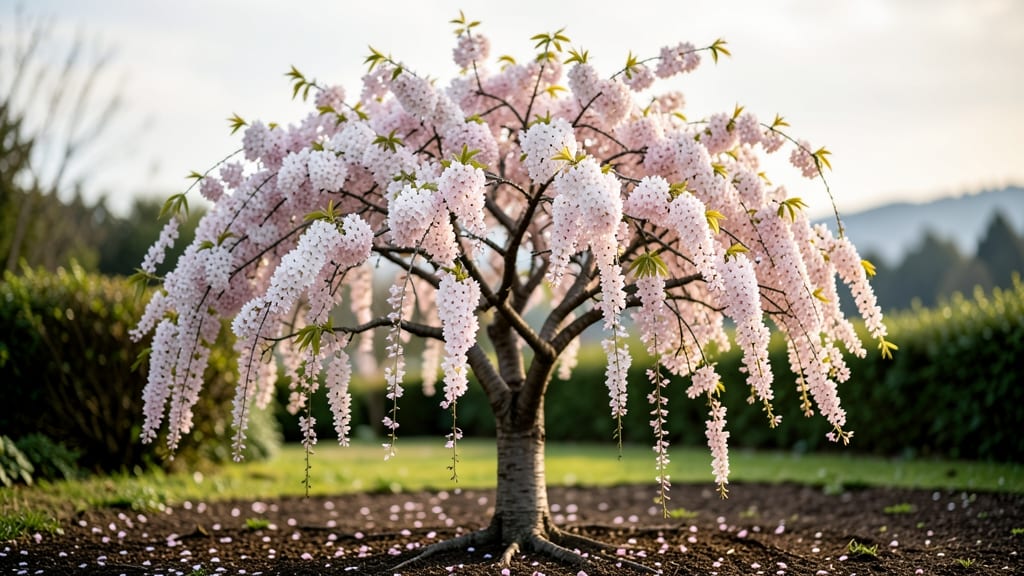
Finding a Japanese cherry blossom tree nearby isn’t just about adding pink clouds to your yard—it’s about creating a focal point that transforms your landscape into a seasonal masterpiece. 🌸 These trees aren’t just ornamental; they’re a cultural experience, bringing the magic of spring to your doorstep with their delicate blooms that last just a few weeks but leave a lasting impression.
The best places to find them start with local nurseries specializing in ornamental trees, where you can often spot young saplings ready for planting. Public parks and botanical gardens also offer inspiration—many have mature specimens you can admire before committing.
If you’re unsure about planting one yourself, landscaping services can help source and install a tree that fits your space and climate.
Once planted, these trees thrive with minimal fuss: well-draining soil, full sun, and occasional pruning to maintain their graceful shape. Pair them with complementary plants like azaleas or wisteria to extend the seasonal interest, and you’ll have a garden that feels like a living postcard every spring.
The scent alone makes it worth the effort.
For those eager to experience cherry blossoms without planting, many cities host annual viewing events—perfect for picnics under the trees. If you’re ready to bring this beauty home, now’s the time to plan, as spring planting gives roots time to establish before the first blooms appear next year.
📚 In This Guide
- What you need
- Instructions
- Tips and common mistakes
- Wrapping up and next steps
What you need
- ● Japanese Cherry Blossom Tree: 1–2 Prunus serrulata saplings (choose a variety like ‘Kanzan’, ‘Shidarezakura’, or ‘Somei-Yoshino’ for reliability).
- ● Size: 1–3 gallons (for young trees) or balled-and-burlapped (B&B) for mature transplants.
- ● Planting Site: Full sun exposure (6+ hours/day).
- ● Well-draining soil (amend with compost if needed).
- ● Space: 15–25 feet of clearance (varies by variety).
- ● Tools: Shovel or spade (for digging).
- ● Garden fork (to loosen soil).
- ● Pruning shears (sterilized).
- ● Measuring tape (to mark planting depth).
- ● Watering can or hose (with gentle spray nozzle).
- ● Soil Amendments (if needed): 5–10 lbs of organic compost or peat moss (for sandy soil).
- ● Slow-release balanced fertilizer (10-10-10 ratio, 1 lb per tree).
- ● Mulch: 2–3 inches of wood chips or pine straw (keeps roots cool and retains moisture).
- ● Tree Stake & Ties: 1–2 stakes + soft ties (for young trees in windy areas).
- ● Drip Irrigation System: Automated system (for low-maintenance watering).
- ● Pest Deterrents: Neem oil spray or beneficial nematodes (prevents aphids/borers).
- ● Seasonal Care Kit: Fungicide (for powdery mildew prevention).
- ● Pruning sealant (for large cuts).
How to plant and care for a Japanese cherry blossom tree
Here's how to invite spring's fleeting magic into your yard with a stunning cherry blossom tree.
🌱 Step 1: Choose the Perfect Planting Spot
Japanese cherry blossoms need full sun—at least 6 hours daily—to produce their legendary blooms. I always scout locations where the tree will get morning sun and afternoon light without harsh afternoon heat. Avoid low spots where cold air settles in winter, as these trees hate soggy roots.
Check your yard's drainage by digging a 1-foot deep test hole. If water pools after 24 hours, amend the soil with 2-3 inches of compost or plant on a slight mound. The tree's canopy will eventually cast shade, so position it where you can enjoy the blooms from a patio or seating area.
🪴 Step 2: Dig and Prepare the Planting Hole
Dig a hole twice as wide as the root ball but no deeper—planting too deep suffocates the roots. Loosen the sides of the hole with a shovel to encourage root spread. I like to add a handful of slow-release fertilizer to the bottom of the hole, mixing it with the native soil to avoid root burn.
Gently remove the tree from its container and tease the roots outward if they're circling. Place it in the hole so the top of the root ball sits 1-2 inches above ground level. This prevents water from pooling around the trunk. Backfill with native soil, tamping lightly every 2 inches to remove air pockets.
☀️ Step 3: Water and Mulch for First-Year Establishment
Water deeply right after planting—10-15 gallons should soak the soil to a 12-inch depth. You'll see water running out of the hole when it's reached the right level. Mulch with 3-4 inches of wood chips, keeping it 6 inches away from the trunk to prevent rot.
Water twice weekly the first season, aiming for 1 inch of water per week. Let the top 2-3 inches of soil dry between waterings to encourage deep root growth. Avoid overhead watering during bloom time—wet blossoms invite fungal diseases that can ruin the show.
✂️ Step 4: Prune for Health and Shape
Prune in late winter or early spring before buds swell, removing 1/3 of last year's growth to encourage new blooms. I always cut just above a outward-facing bud at a 45-degree angle to prevent water from pooling. Remove any crossing branches or dead wood first—they compete with the tree's energy.
Thin out crowded branches to improve airflow, which reduces disease risk. Never prune in fall—new growth won't harden off before winter. After pruning, apply a balanced fertilizer (10-10-10) in early spring to support new growth.
⏰ Step 5: Enjoy and Protect the Seasonal Display
Cherry blossoms typically bloom for 1-2 weeks in spring, so plan to enjoy them daily. Place a bench or seating area nearby for picnics under the tree. I like to string lights for evening enjoyment—just avoid letting them touch the branches.
Protect young trees from late frosts with frost cloth if your area gets unexpected cold snaps during bloom time. Mature trees develop better cold tolerance, but young specimens need extra care. After blooms fade, let the tree drop its fruit naturally—birds will appreciate the snack, and the tree won't waste energy producing seeds.
Tips & tricks for perfect Japanese cherry blossom planting
These little details make all the difference between a thriving tree and one that struggles to bloom.
Sunlight Strategy: The 6 hours of daily sun is non-negotiable, but here's the trick: position your tree to catch morning sun first. Eastern exposures are ideal because they provide gentle warmth without the harsh afternoon heat that can stress the tree. I've seen trees planted in full afternoon sun struggle with leaf scorch—morning light is gentler and more consistent for blooming.
Drainage Test: That 24-hour water test in Step 1 is crucial. If water pools after 24 hours, you've got two options: either mound the planting area slightly or add compost to improve drainage. I've had to adjust planting spots three times because of poor drainage—don't make my mistake! The tree's roots need oxygen, not soggy conditions.
Root Ball Placement: When you're positioning that root ball in Step 2, resist the urge to bury it deeper than 1-2 inches above ground level. I learned this the hard way when my first tree developed root rot from being planted too deep. The root flare (where roots meet trunk) should be visible above the soil line—this prevents water from sitting against the trunk.
Watering Wisdom: Those 10-15 gallons of water after planting might seem like a lot, but it's what gets the roots established. Here's what I do: water slowly until you see water running out of the bottom of the hole. This ensures the soil is thoroughly moistened to that 12-inch depth. After the initial watering, let the top 2-3 inches dry between waterings—this encourages deep root growth rather than shallow, weak roots.
Pro Tips for Japanese Cherry Blossom Tree Nearby
- These little details make all the difference between a thriving tree and one that struggles to bloom.
- Sunlight Strategy: The 6 hours of daily sun is non-negotiable, but here's the trick: position your tree to catch morning sun first.
- Drainage Test: That 24-hour water test in Step 1 is crucial.
Frequently asked questions
Got questions about finding or caring for a Japanese cherry blossom tree nearby? Here are some answers to help you navigate the blooming season with ease!
When is the best time to see cherry blossoms in my area?
The peak bloom season varies by region—typically late March to mid-April in most U.S. zones. Check local forecasts or university extension services (like Extension.org) for precise timing. Pro tip: Use apps like National Park Service’s "Cherry Blossom Tracker" for real-time updates!
How do I find a Japanese cherry blossom tree near me?
Start by searching "cherry blossom trees [your city]" on Google Maps or Find a Tree. Visit local parks, botanical gardens, or university campuses—many have Prunus serrulata varieties. Need help identifying one? Snap a photo and use the iNaturalist app for expert verification!
What’s the easiest way to care for a young cherry blossom tree?
These trees thrive in full sun and well-draining soil. Water deeply 1–2 times per week (more in droughts) and mulch to retain moisture. Avoid heavy pruning—focus on removing dead branches in late winter. Watch for pests like aphids; a hose spray often solves the problem!
Can I plant a cherry blossom tree in my yard, or do they only grow in parks?
Many cultivars (like ‘Kanzan’ or ‘Shirotae’) adapt well to home landscapes. Just ensure 6–10 feet of space for mature growth and plant in fall or early spring. Smaller varieties (e.g., ‘Akebono’) work for tight spaces—check local nurseries for dwarf options!
What if my cherry blossom tree isn’t blooming?
Common causes include young age (trees bloom after 5–7 years), improper pruning, or insufficient sunlight. Ensure it gets 6+ hours of sun daily and fertilize lightly in early spring. If blooms are sparse, consider a pollination-friendly companion plant nearby!
How do I protect cherry blossoms from rain or wind damage?
While blossoms are delicate, they’re naturally adapted to light rain. For heavy storms, stake young trees and avoid pruning until after peak bloom. Wind? Plant near a windbreak (like a fence) or choose ‘Shogetsu’, a hardier variety. Embrace the drama—fading petals create stunning "sakura snow"!
Wrapping up and next steps
Discovering a Japanese cherry blossom tree nearby isn’t just about adding beauty to your landscape—it’s about embracing a fleeting, magical moment that connects you to nature’s cycles. These trees offer serenity, cultural richness, and seasonal charm, turning ordinary spaces into breathtaking sanctuaries.
Whether you’re planting one or simply admiring the blossoms in your area, let this seasonal spectacle inspire you to slow down, appreciate the present, and create lasting memories.
🌸 Next step: Start planning your visit or planting project today! Research local nurseries, check bloom forecasts, or join a community event to celebrate hanami (cherry blossom viewing) with others. The season is short—don’t miss your chance to experience its magic! 🌸