
Pruning
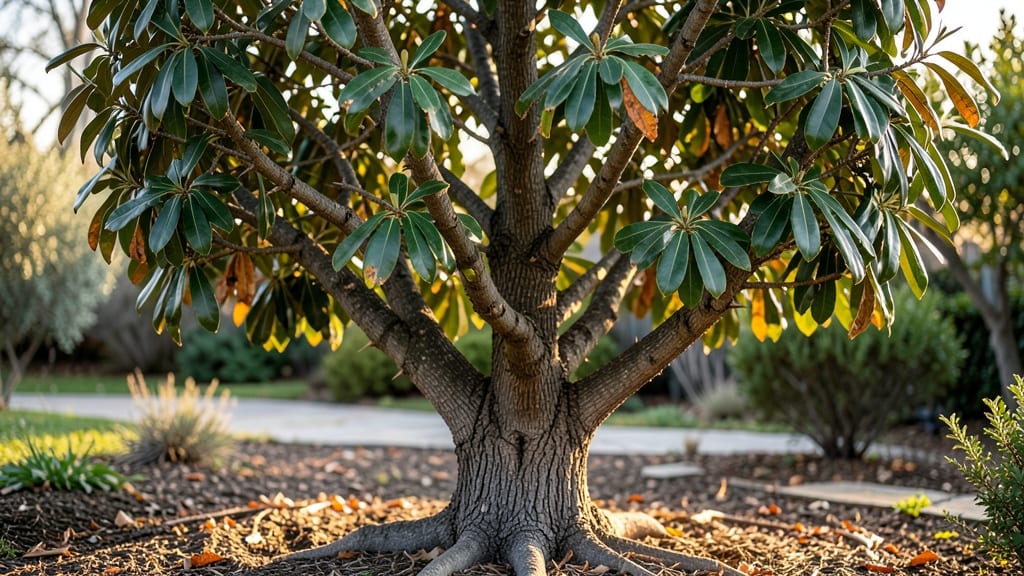
Pruning Indian fruit trees like mango and jackfruit isn't just about shaping branches—it's the secret to year-round harvests that make your neighbors jealous. 🌿 I've spent years watching my mango trees go from struggling to producing three harvests a season after mastering the right cuts and timing.
The key? Pruning isn't one-size-fits-all—it changes with the seasons, the tree's age, and even the type of fruit you're growing.
You'll need sharp pruners, a ladder (for taller trees), and a clear day to work—cloudy mornings are ideal to avoid stressing the tree. Most Indian fruit trees respond best to light pruning in late winter before new growth starts, with heavier shaping done right after harvest.
The goal isn't to hack away branches but to open the canopy for sunlight and air circulation, which directly translates to more fruit and fewer diseases.
What you'll end up with is a tree that bears fruit earlier and more consistently than unpruned trees. My jackfruit tree, once sparse, now produces three massive fruits per season instead of one.
The branches stay strong, the fruit ripens evenly, and you avoid the heartbreak of biennial bearing—where some trees fruit heavily one year and barely the next.
This works for mango, jackfruit, tamarind, and guava trees across India's varied climates—whether you're in Kerala's humid tropics or Maharashtra's drier regions. The principles stay the same, though timing might shift slightly based on your local monsoon patterns. Let's get those pruners ready!
📚 In This Guide
- What you need
- Instructions
- Tips and common mistakes
- Wrapping up and next steps
What you need
- ● Pruning shears: Sharp, bypass-type shears (for small branches, 4-6 inches cutting capacity).
- ● Loppers: Heavy-duty loppers (for thicker branches, 1.5-2 inches cutting capacity).
- ○ Pruning saw: Curved-tooth saw for 2+ inch branches (optional but helpful for large trees).
- ● Gloves: Sturdy, cut-resistant gloves (to protect hands from thorns or rough bark).
- ● Disinfectant: 70% isopropyl alcohol or a 1:10 bleach-water solution (to sterilize tools between cuts).
- ○ Pruning sealant: Tree wound sealant (optional, for large cuts on mango, jackfruit, or guava trees).
- ● Ladder or step stool: Sturdy, 8-12 ft tall (for reaching higher branches safely).
- ● Trash bags: Heavy-duty bags (30-50 gallon) for collecting pruned branches.
- ● Weather check: Prune on a dry, overcast day (avoid rainy or windy conditions).
- ● Safety glasses: Protect your eyes from debris.
- ● Long sleeves & pants: Wear lightweight, long clothing to avoid scratches.
- ● First-aid kit: Include antiseptic wipes and bandages (for minor cuts or scrapes).
- ● Tree identification guide: Know your Indian tree fruit type (e.g., mango, sapota, jamun, or ber) for species-specific pruning needs.
Step-by-Step instructions for pruning Indian tree fruit
Here's my foolproof method for pruning Indian tree fruit—it boosts yield, improves fruit size, and keeps your tree healthy year-round.
✂️ Step 1: Prune During Dormancy in Late Winter
Wait until late February or early March when the tree is fully dormant and before buds swell. This timing prevents disease spread and lets the tree heal before spring growth. I grab my sharp bypass pruners and start by removing dead, diseased, or crossing branches—these compete with healthy growth and reduce fruit production.
Look for branches that are gray, brittle, or oozing sap—these are clear targets. Cut back to the main trunk or a healthy lateral branch, making clean cuts at a 45-degree angle just outside the branch collar. Never leave stubs; they invite rot and pests. If you're unsure which branches to cut, prioritize any that rub against each other or grow inward—they’ll steal energy from fruit production.
✂️ Step 2: Thin Out Overcrowded Branches in Early Spring
Once new growth starts in early April, focus on thinning branches to improve airflow and sunlight penetration. I remove weak, spindly shoots—these rarely bear fruit and drain the tree’s resources. Aim to space branches 8-12 inches apart on the main scaffold, ensuring light reaches the center of the tree.
Use your pruners to cut back overly vigorous branches by one-third to encourage bushier growth. Watch for suckers (shoots growing from the base or trunk) and remove them immediately—they siphon nutrients away from fruit-bearing branches. If you see water sprouts (vertical shoots with no leaves), snip them off at the base. These are energy vampires that won’t contribute to harvests.
☀️ Step 3: Lighten the Canopy Mid-Season for Better Fruit Development
By late May or early June, when flowers appear, step back and assess the tree’s canopy density. If branches are too thick, sunlight won’t reach the center, leading to small, underripe fruit. I target shady interior branches and thin them by 20-30% to let light penetrate.
Focus on removing smaller, less productive branches—keep the strongest, most vigorous ones that bear the most fruit. Cut just above a leaf bud or lateral branch to encourage new growth. Avoid heavy pruning now; you’re just creating airflow, not reshaping the tree. If you see fruit clusters growing too densely, thin them out to 6-8 inches apart—this ensures larger, higher-quality fruit instead of a bunch of small ones.
✂️ Step 4: Clean Up After Harvest in Fall
Once the harvest is done in late September or October, it’s time for a light cleanup. Remove any remaining diseased fruit, leaves, or branches—these harbor pests and diseases that overwinter. I also trim back overly long branches that grew during the season to maintain the tree’s shape.
Pay special attention to deadheading spent flowers and thinning out weak shoots that emerged later in the season. These steps prep the tree for dormancy and reduce stress. Avoid heavy pruning now; the tree needs time to recover before winter. If you notice any signs of fungal disease (like black spots or powdery mildew), sterilize your pruners with rubbing alcohol between cuts to prevent spreading spores.
⏰ Step 5: Final Pruning Adjustments in Early Winter
In December, do a quick check for any remaining dead or damaged branches from storms or pests. Prune them out before winter sets in. This final pass ensures the tree enters dormancy clean and healthy. I also shape the tree lightly—just enough to maintain its form without stressing it.
If you’re growing in a warmer climate, you can do a light pruning in late winter instead of early winter, but avoid heavy cuts. The goal is to balance growth so the tree puts energy into next year’s fruit rather than excessive foliage. After pruning, water deeply and apply a layer of mulch to protect roots from temperature swings.
Tips & tricks for pruning Indian tree fruit
Real talk: Pruning Indian tree fruit isn't just about cutting branches—it's about creating an environment where your tree thrives. Here's what nobody tells you about getting it right.
Timing is Everything: The late February to early March window for Step 1 is non-negotiable for most climates. That's when your tree is fully dormant but before buds swell—this timing prevents disease spread and gives your tree time to heal before spring growth. I've learned the hard way that cutting too early can stress the tree, while waiting too late risks encouraging disease. If you're in a warmer climate, adjust to late winter when buds aren't yet swelling.
The 45-Degree Angle Secret: When making cuts in Step 1, that 45-degree angle isn't just about looks—it's about directing water away from the cut to prevent rot. I used to make straight cuts, and I noticed more branches dying back. The angle creates a natural water runoff path while keeping the cut just outside the branch collar where healing tissues are located. This simple technique can double your success rate with branch survival.
Branch Spacing Matters: In Step 2, those 8-12 inch spacing guidelines aren't arbitrary—they create the perfect balance. Too close, and branches compete for sunlight and nutrients, leading to smaller fruit. Too far apart, and you lose that canopy effect that protects fruit from sunburn. I've found that for mature trees, 10 inches tends to be the sweet spot. Use your pruners to create this space by removing smaller branches that are growing too close to stronger ones.
Mid-Season Lightening Strategy: During Step 3, when you're thinning the canopy by 20-30%, focus on removing branches that are growing inward or downward. These branches create shade in the center of the tree, which leads to smaller, less flavorful fruit. I like to think of this as creating a "fruit production zone" where sunlight can penetrate to the very center. The goal is to see light reaching all the way to the trunk when you look at your tree from above.
Pro Tips for Indian Tree Fruit
- Real talk: Pruning Indian tree fruit isn't just about cutting branches—it's about creating an environment where your ...
- Timing is Everything: The late February to early March window for Step 1 is non-negotiable for most climates. That's ...
- The 45-Degree Angle Secret: When making cuts in Step 1, that 45-degree angle isn't just about looks—it's about direct...
Frequently asked questions
Got questions about pruning Indian tree fruits like mango, jackfruit, or guava? You’re not alone! Here are some of the most common queries—and their simple, actionable answers.
When is the best time to prune Indian tree fruits?
The ideal time depends on the fruit type, but late winter or early spring (before new growth starts) is safest. For tropical fruits like mangoes, prune after the monsoon season (Oct–Nov) to avoid fungal risks. Avoid heavy pruning during flowering or fruiting—focus on shaping and removing dead wood instead.
How much can I prune without harming the tree?
For young trees (under 5 years), limit pruning to 15–20% of the canopy per year. Mature trees can handle up to 30% in a single session, but spread it out over 2–3 years if possible. Over-pruning stresses the tree and reduces fruit yield. Always prioritize removing diseased or crossing branches first!
Will pruning increase my fruit yield?
Yes—but it’s about quality over quantity. Pruning improves air circulation, reduces disease, and directs energy to larger, healthier fruits. For example, mango trees pruned to an open vase shape produce 20–30% more marketable fruit. Just avoid excessive thinning of fruiting branches, as that can backfire!
What if my tree doesn’t fruit after pruning?
No fruit? Check these first:
- Age: Young trees (under 3–5 years) focus on growth, not fruit.
- Pollination: Some varieties (like jackfruit) need cross-pollination. Plant compatible trees nearby.
- Nutrients: Post-pruning, fertilize with potassium-rich compost to boost flowering.
- Patience: Heavy pruning can delay fruiting by 1–2 years.
Can I prune Indian tree fruits at home, or do I need a professional?
You can DIY with basic tools (pruners, saw, gloves) and research! Start with light shaping and focus on removing dead/diseased branches. For large trees (like 20+ ft tall), consider hiring a professional to avoid accidents. Pro tip: Use a 3-step pruning ladder for safety and precision.
Bonus Tip: How to tell if a cut is healing properly?
Healthy pruning cuts should:
- Seal within 2–4 weeks (look for calloused tissue).
- Avoid oozing sap/resin for >1 week (sign of stress or disease).
- Not attract pests (like ants or borers).
Wrapping up and next steps
Indian tree fruits like mangoes, guavas, and jamuns offer unmatched rewards—but their magic starts with the right pruning! 🌿 By mastering seasonal cuts, you’ll unlock bigger yields, healthier trees, and lush harvests year-round.
Whether you’re a beginner or a seasoned gardener, these techniques make pruning feel like a breeze.
Ready to transform your orchard? Start small—pick one tree this season, gather your tools, and dive in! With patience and practice, you’ll soon be reaping the sweetest fruits of your labor. Happy pruning! 🌱✨