
Pruning
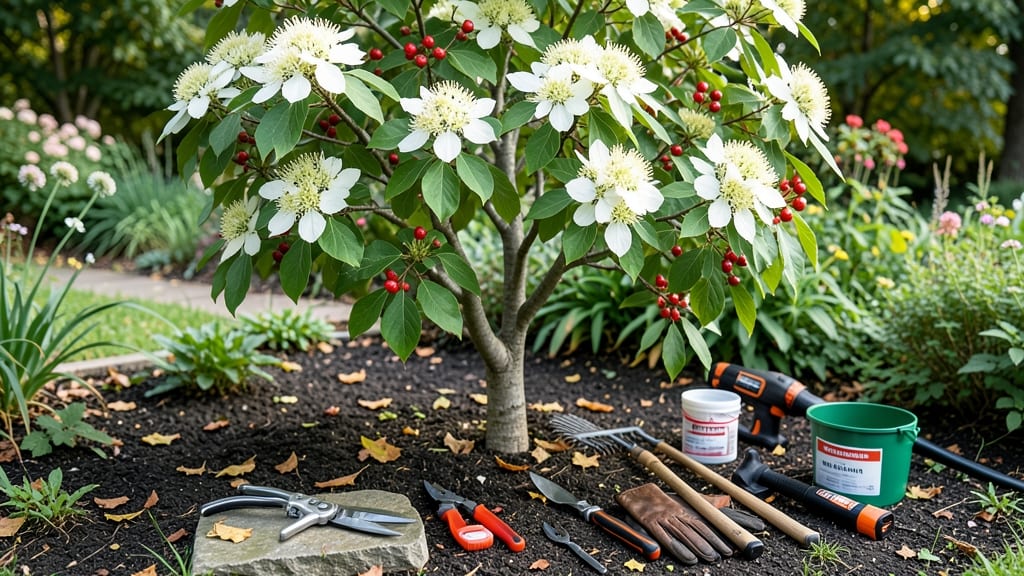
Watch this how to prune a dogwood tree video to transform your tangled mess into a showstopper with vibrant blooms every spring. ✂️ I’ve seen dogwoods go from struggling, bare branches to lush, flowering giants after just one careful pruning session—and it’s easier than you think.
The key is timing, technique, and knowing what to cut (and what to leave alone). You’ll need sharp pruners, a ladder (for taller trees), and maybe a small saw for thicker branches.
The best time to prune is right after blooming, when the tree has finished flowering but before summer heat sets in. This gives it time to heal before winter arrives.
By the end of the season, you’ll see stronger branches, fewer crowded stems, and more space for air and sunlight to circulate. The blooms will be bigger, the shape more balanced, and your tree will look like it belongs in a botanical garden.
Whether you’re dealing with a young sapling or a mature tree, these steps work for any dogwood variety. Let’s get started—your tree’s best years are ahead!
📚 In This Guide
- What you need
- Instructions
- Tips and common mistakes
- Wrapping up and next steps
What you need
- ● Bypass pruners – Sharp, clean pruners (rated for 2-inch branch cuts) for small to medium branches.
- ● Loppers – For thicker branches (up to 2-inch diameter). Look for bypass-style loppers for cleaner cuts.
- ● Pruning saw – A curved-tooth saw for branches larger than 2 inches in diameter.
- ● Disinfectant (70% isopropyl alcohol or bleach solution) – To sterilize tools between cuts and prevent disease spread.
- ● Garden gloves – Heavy-duty gloves (waterproof, cut-resistant) to protect your hands from thorns and debris.
- ● Ladder or step stool – If your dogwood is taller than 6 feet, use a stable, non-slip ladder (or hire a pro!).
- ● Heavy-duty trash bags – For collecting pruned branches and debris.
- ● Sharpie or permanent marker – To mark branches for removal (if planning ahead).
- ● Hand pruners with a ratchet mechanism – Reduces hand fatigue for larger jobs.
- ● Pole saw – For high branches without climbing.
- ● Tree wound dressing – Only use if necessary (modern research suggests leaving cuts open for faster healing).
- ● Work boots or closed-toe shoes – Protects your feet from falling branches.
- ● Safety glasses – Shields your eyes from debris.
- ● Hose or bucket of water – To clean tools and rinse off sap.
- ● Check the best time to prune—late winter (just before buds swell) or early spring is ideal for dogwoods.
- ● Ensure the tree is healthy—avoid pruning if it’s diseased or under severe stress.
- ● Have a clear plan—sketch or mentally map out which branches to remove before starting.
- ● Work on a dry, calm day—wet branches are heavier, and wind can make climbing risky.
- ● If your dogwood is over 20 feet tall, consider hiring an ISA-certified arborist for safety.
Step-by-step guide for pruning a dogwood tree
Here's how I keep my dogwoods thriving with clean cuts and strong structure.
✂️ Step 1: Prune at the Right Time for Best Results
Dogwoods bloom on last year's growth, so I prune right after flowering but before new buds form in early summer. This ensures next year's blooms won't be sacrificed. If you prune too late in summer, you risk cutting off next season's flower buds entirely.
Look for the blooms to fade completely before you begin. You'll notice the flower clusters wilting and turning brown—this is your signal. Avoid pruning in fall or winter, as cold temperatures stress the tree and make it vulnerable to disease.
✂️ Step 2: Remove Dead, Diseased, or Crossing Branches First
Start by scanning the tree for any branches that are dead, diseased, or rubbing against others. These are your priority cuts. Dead branches are easy to spot—they're brown, brittle, and often snapping when you gently shake them. Diseased branches may have dark spots, oozing sap, or unusual growths.
Use sharp, clean pruning shears to make a clean cut just outside the branch collar—the swollen area where the branch meets the trunk. Never leave stubs, as they invite disease and rot. If a branch is too large for shears, use a pruning saw with a smooth, even motion.
✂️ Step 3: Thin the Canopy for Better Airflow and Light
Next, focus on thinning the canopy to improve airflow and sunlight penetration. Remove branches that grow inward or cross others, as these create weak points and compete for energy. Aim to open up the center of the tree by about 30%—this prevents a dense, crowded look and encourages stronger growth.
Look for branches that are growing straight up or downward; these often create a weak "V" or "U" shape where they meet the trunk. Cut these out to create a more stable structure. Always make your cuts at the branch collar, and avoid cutting more than 25% of the tree's foliage in one season.
✂️ Step 4: Shape the Tree for Balance and Aesthetics
Now, step back and assess the tree's overall shape. Dogwoods naturally grow with a rounded form, so I avoid heavy pruning that disrupts this. Focus on refining the silhouette by trimming back any branches that are growing too long or out of proportion. Use hand pruners for smaller branches and a pruning saw for larger ones.
Make your cuts at a slight angle, just above a outward-facing bud or branch. This encourages new growth to sprout in the right direction. Avoid cutting back to a stub or leaving a flat surface—this can trap moisture and lead to rot.
🌿 Step 5: Clean Up and Maintain the Tree Post-Pruning
After pruning, remove all debris from the ground and sterilize your tools with rubbing alcohol or a bleach solution. This prevents the spread of disease between cuts. Water the tree deeply to help it recover, especially if you've removed a significant amount of foliage.
Monitor the tree over the next few weeks for signs of stress, like wilting leaves or unusual discoloration. If you notice any issues, adjust your care routine—water more frequently if the soil feels dry, or apply a balanced fertilizer to support new growth. With proper pruning, your dogwood will reward you with vibrant blooms year after year.
Tips & tricks for pruning a dogwood tree
Here's what nobody tells you about keeping your dogwoods looking their best after the pruning process.
The Timing Secret: I can't stress enough how critical the early summer timing is—this is when your dogwood is already stressing from last year's bloom production. Wait too long, and you'll be cutting off next year's flowers before they even form. I've seen gardeners accidentally prune in late summer and end up with no blooms the following spring. Watch for those flower clusters to completely wilt and turn brown—that's your exact cue to start.
Tool Technique: Your pruning tools make all the difference. I've ruined more cuts than I care to admit using dull shears. Always use sharp, clean tools—dull blades crush the bark instead of making clean cuts, which invites disease. For larger branches, I recommend a bypass pruning saw with a smooth blade. And here's a pro move: Wipe down your tools with rubbing alcohol between cuts to prevent spreading any potential pathogens from diseased branches.
Canopy Strategy: When thinning the canopy in Step 3, focus on creating that 30% open center—not just randomly cutting branches. I like to visualize the tree's natural rounded shape and work from the inside out. Look for branches growing straight up or down—they often create weak "V" or "U" shapes where they meet the trunk. These are perfect candidates for removal as they're structural weak points. Remember, you're aiming for better airflow and sunlight penetration, not just making the tree look neat.
Post-Pruning Care: After you've finished pruning, don't just walk away! Remove all debris from the ground immediately—those fallen leaves and twigs can harbor pests and diseases. I've seen many gardeners skip this step and end up with more problems than they solved. Also, give your tree a good deep watering, especially if you removed more than 25% of the foliage. Think of it as giving your dogwood a drink of water to help it recover from its "haircut."
Pro Tips for Prune A Dogwood Tree Video
- Here's what nobody tells you about keeping your dogwoods looking their best after the pruning process.
- The Timing Secret: I can't stress enough how critical the early summer timing is—this is when your dogwood is already stressing from last year's bloom production.
- Tool Technique: Your pruning tools make all the difference.
Frequently asked questions
When is the best time to prune a dogwood tree?
Prune your dogwood right after flowering (late spring to early summer) to avoid cutting off next year’s blooms. Avoid heavy pruning in fall or winter, as this can stress the tree or invite disease. Light shaping in late winter (before buds swell) is fine, but keep it minimal.
Can I prune a dogwood tree in winter?
While light winter pruning (like removing dead branches) is safe, avoid heavy cuts. Winter pruning can expose the tree to cold damage and pests. If you must prune in winter, do it on a mild day and keep cuts small. Spring is always the best time for major work!
What if I accidentally cut off too many branches?
Don’t panic! Dogwoods are resilient, but over-pruning (removing more than 25% of the canopy) can weaken the tree. If you’ve overdone it, focus on recovery pruning—remove only dead or diseased wood in the following year and avoid heavy cuts. Fertilize lightly to support regrowth.
Will pruning my dogwood tree reduce next year’s flowers?
Yes, but only if you prune at the wrong time! Blooms form on old wood, so avoid cutting back flower stems until after they fade. If you prune too early, you’ll sacrifice next season’s show. Time it right, and your dogwood will reward you with even more vibrant blooms!
Do I need special tools to prune a dogwood?
Not necessarily! You’ll need clean, sharp pruners (bypass pruners for small branches, loppers for thicker ones) and a sterilizing solution (like rubbing alcohol) to prevent disease spread. Avoid dull tools—they tear wood, inviting infections. A hand saw may help for larger branches.
How do I know if my dogwood needs pruning?
Watch for these signs:
- Dead, diseased, or crossing branches (remove these first).
- A crowded canopy blocking sunlight (thin out to improve airflow).
- Leggy growth or sparse blooms (light pruning can encourage fuller growth).
Wrapping up and next steps
Pruning your dogwood tree doesn’t have to be intimidating—with the right tools, timing, and technique, you’ll encourage vibrant blooms and a healthier tree for years to come! 🌸 Remember to prioritize safety, clean cuts, and seasonal care to keep your tree thriving.
Now that you’re armed with knowledge, grab your pruners and give your dogwood the TLC it deserves. For extra guidance, check out our step-by-step video tutorial—where you can see each step in action. Happy pruning! ✂️🌿