
Pruning
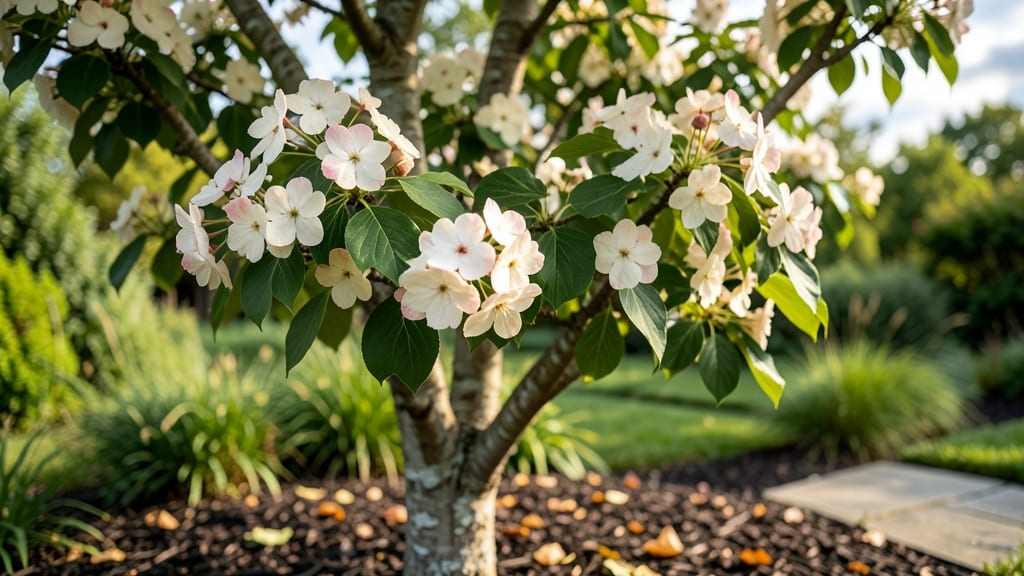
Pink flower clusters transform any yard into a dreamy springtime scene. 🌸 The Japanese cherry tree (Prunus serrulata) and Bradford pear (Pyrus calleryana) steal the show with their delicate, blush-pink blooms that turn heads in every neighborhood.
What most people don’t realize is how simple it is to extend their bloom time through strategic trimming—keeping those clusters coming well into summer.
These trees aren’t just pretty faces—they’re versatile stars in garden design. Plant them as focal points near patios or entryways, where their cascading blossoms frame doorways beautifully. For a softer look, pair them with hostas or ferns to contrast their bold color with lush greenery.
In urban settings, their compact growth makes them perfect for small yards or even large containers.
The magic happens in late winter when you prune to open the canopy. A few well-placed cuts encourage fresh growth that bursts into pink clusters by spring, and with proper care, some varieties even rebloom in fall.
The result? A yard that feels like a perpetual spring garden, not just a fleeting season.
For maximum impact, consider underplanting with salvia or bleeding heart—both love the same dappled shade these trees provide. And if you’re worried about maintenance, don’t be: these trees thrive with minimal fuss once established. The payoff? A backyard that turns every season into a postcard-worthy moment.
📚 In This Guide
- What you need
- Instructions
- Tips and common mistakes
- Wrapping up and next steps
What you need
- ● Pruning shears: Bypass pruners (for small branches) or anvil pruners (for thicker branches). Specs: Sharp, clean blades (5–8" length).
- ● Loppers: For branches ½"–2" in diameter. Specs: Long handles (24–36") for reach.
- ● Pruning saw: For branches >2" in diameter. Specs: Curved blade for smooth cuts.
- ● Gloves: Heavy-duty garden gloves (cut-resistant) to protect hands.
- ● Disinfectant: 70% isopropyl alcohol or a 10% bleach solution (to sterilize tools).
- ○ Tree wound pruning sealant (optional): For large cuts (>½" diameter). Specs: Fast-drying, non-toxic formula.
- ● Ladder or step stool: Sturdy and tall enough to reach the tree’s canopy safely.
- ● Bucket or tray: For collecting pruned branches (1–2 gallon capacity).
- ○ Marking twine or flags (optional): To tag branches for future reference.
- ● Weather check: Choose a dry, calm day (avoid pruning in rain or high winds).
- ● Safety glasses: To shield eyes from debris.
- ● Long sleeves/pants: Protect skin from scratches and sun exposure.
- ● First-aid kit: Bandages, antiseptic wipes, and tweezers (for splinters).
- ○ Tree identification guide (optional): To confirm your tree type (e.g., Lagerstroemia, Crapemyrtle, or Hibiscus).
How to extend pink flower clusters on your tree through strategic pruning
Here's how I transform a single seasonal burst of pink blooms into months of vibrant color—no magic, just smart timing and technique.
✂️ Step 1: Identify the Right Time to Prune for Blooms
Pink flower clusters typically appear on new wood—meaning they grow from last year's growth, not old branches. Prune right after flowering (when blooms begin fading) to encourage fresh, flower-bearing stems. For spring-blooming varieties like crabapple or Japanese cherry, this means cutting in late May or early June. Summer-bloomers like crape myrtle need pruning in late winter before buds swell.
Never prune during active bloom—you'll remove next year's flower buds. Watch for bud swell (small green bumps on branches) to confirm you're timing it right. I always mark the pruning window on my calendar because missing it means waiting another year for vibrant clusters.
🌿 Step 2: Remove Dead, Diseased, or Crossing Branches First
Start by eliminating any branches that are dead, diseased, or rubbing against others—these compete with healthy growth and invite pests. Use clean, sharp bypass pruners to make cuts just outside the branch collar (the swollen area where the branch meets the trunk). This prevents tearing and promotes faster healing.
Look for branches growing inward or crossing others—these create weak crotches that split under heavy bloom. Remove up to 25% of the tree's canopy in this step, but never more. Thin from the inside out to improve airflow and sunlight penetration. You'll see immediate improvement in next year's bloom density.
☀️ Step 3: Shape for Light Penetration and Airflow
Open the tree's center by removing suckers and water sprouts (fast-growing vertical shoots). These steal energy from flowering branches. Cut back one-third of the length of water sprouts to encourage bushier growth. For larger branches, make the cut at a 45-degree angle just above an outward-facing bud.
Step back and visualize sunlight reaching the inner branches. Aim for an open vase shape—this prevents dense centers that block light and reduce blooms. I like to prune on a bright, dry morning when the tree is actively photosynthesizing, which helps it recover faster.
⏰ Step 4: Encourage Repeated Blooming with Layered Cuts
For trees that bloom only once, like lilacs, make heading cuts (cutting back to an outward bud) on one-third of the oldest branches each year. Rotate which branches you prune annually to maintain a balance. Summer-blooming varieties need light annual pruning to remove spent flowers and encourage new growth.
Watch for new growth flushes—these indicate the tree is responding well. If you see vigorous shoots emerging from old wood, you're on the right track. Avoid heavy pruning in the tree's first 3 years unless absolutely necessary; establishing roots need energy for future blooms.
🌱 Step 5: Post-Pruning Care for Maximum Blooms Next Season
Apply a balanced fertilizer (10-10-10) 4-6 weeks after pruning to replenish nutrients lost during cutting. Water deeply to soak the root zone (about 1-2 inches of water per week during dry spells). Mulch with 2-3 inches of organic mulch (like shredded bark) to retain moisture and protect roots.
Monitor for new bud formation in late summer—these are your future blooms. If you notice yellowing leaves or stunted growth, you may have pruned too aggressively. Adjust next year's cuts to be 20% lighter. With consistent care, you'll see pink clusters lasting 6-8 weeks instead of just 2.
Tips & tricks for extending pink flower clusters on trees
These precision techniques will help you transform a single burst of pink blooms into a year-round floral display.
Timing is Everything: The critical window for spring-blooming trees like crabapple is late May to early June—right after the pink clusters begin to fade. Summer-bloomers like crape myrtle need attention in late winter before buds swell. I mark these dates on my calendar with a bright sticker because missing the window means waiting another full year for vibrant blooms. Never prune during active bloom—you'll sacrifice next season's flowers by removing their buds.
Pruning Technique Matters: When making cuts, always aim for just outside the branch collar (the swollen area where the branch meets the trunk). This prevents tearing and promotes faster healing. For water sprouts, cut back one-third of their length to encourage bushier growth. I use a 45-degree angle on larger branches to direct water away from the cut—this simple detail prevents rot and keeps the tree healthier. Always use clean, sharp bypass pruners to make precise cuts.
Canopy Balance is Key: Remove up to 25% of the tree's canopy during pruning, but never more. Thin from the inside out to improve airflow and sunlight penetration to inner branches. I visualize sunlight reaching all the way to the center—this prevents dense centers that block light and reduce blooms. The open vase shape you create will support more flower-bearing branches next season.
Post-Pruning Care Makes the Difference: After pruning, apply a balanced fertilizer (10-10-10) 4-6 weeks later to replenish nutrients. Water deeply to soak the root zone, providing 1-2 inches of water per week during dry spells. Mulch with 2-3 inches of organic mulch to retain moisture and protect roots. This care routine ensures your tree has the energy to produce more vibrant pink clusters next season.
Pro Tips for Tree With Pink Flower Clusters
- These precision techniques will help you transform a single burst of pink blooms into a year-round floral display.
- Timing is Everything: The critical window for spring-blooming trees like crabapple is late May to early June—right after the pink clusters begin to fade.
- Pruning Technique Matters: When making cuts, always aim for just outside the branch collar (the swollen area where the branch meets the trunk).
Frequently asked questions
Got questions about keeping your tree with pink flower clusters blooming beautifully?
Here are some of the most common ones—and their answers—to help you master the art of year-round revival through smart trimming!
What’s the best time of year to trim my tree for pink flower clusters?
For most flowering trees (like Crapemyrtle or Japanese Kerria), trim right after blooming—usually late winter to early spring. Avoid cutting back in fall or winter, as this can remove next year’s flower buds! If your tree blooms in late spring/early summer, wait until after the flowers fade before pruning.
How much can I trim without harming the tree?
Never remove more than 25-30% of the tree’s foliage in one season. For flower clusters, focus on:
- Dead or crossing branches ( always remove these first!)
- Overly dense growth blocking sunlight
- Long, leggy stems (cut back to a bud or lateral branch)
Why aren’t my pink flower clusters coming back after trimming?
If your tree skips blooming, check these common culprits:
- Wrong timing: Trimmed too late (e.g., after buds formed).
- Over-pruning: Cut back into old wood (some trees bloom only on new growth!).
- Nutrient deficiency: Fertilize lightly in early spring with balanced, slow-release fertilizer.
- Stress: Underwatering or pests (like spider mites) can stunt growth.
Can I shape my tree into a topiary or formal hedge with pink flowers?
Some trees (like Dwarf Fothergilla or Lagerstroemia ‘Tina’) tolerate shaping, but most flowering trees bloom on new wood, so aggressive pruning may reduce flowers. For hedges, opt for:
- Light, annual trims to maintain shape
- Avoid cutting into old wood (look for green stems, not brown)
- Use hand pruners for precision—power tools can damage delicate branches.
What’s a good alternative if my tree isn’t thriving?
If your current tree struggles with blooms or pests, consider these low-maintenance, pink-flowering alternatives:
Tree
Bloom Time
Pruning Needs
Cloud Nine® Crapemyrtle
Summer to fall
Minimal—just remove dead wood
Japanese Snowbell (Styrax japonica)
Spring
Light pruning after blooming
Weigela (shrub)
Spring
Prune after flowering to shape
Wrapping up and next steps
Transforming your tree with pink flower clusters into a year-round blooming beauty is simpler than you think! With the right tools, timing, and techniques, you can encourage vibrant growth and extend that stunning floral display.
Remember, patience and consistency are key—your efforts will pay off in bursts of color and healthier foliage.
Ready to take action? Start by scheduling your next pruning session this weekend and observe how your tree responds. Share your progress or ask questions in the comments—we’re here to cheer you on! 🌸✂️