
How To
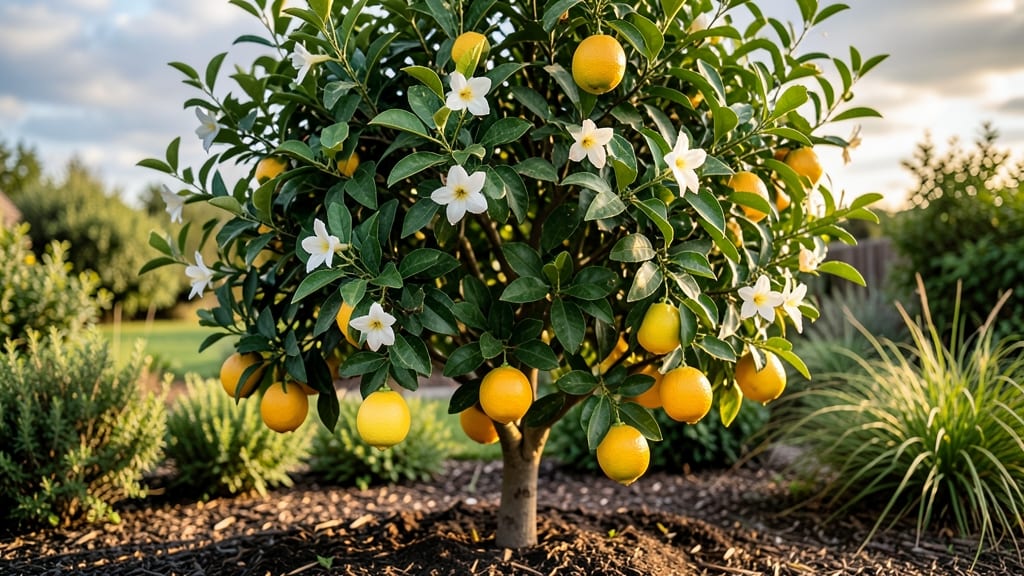
A Meyer lemon tree grows between 6 and 12 feet tall—but whether you’ll need a ladder or just a step stool depends entirely on how you grow it.
If you’ve ever dreamed of harvesting sweet, fragrant Meyer lemons from your own backyard, knowing how tall this citrus tree can grow is the first step—because your growing style (container, greenhouse, or in-ground) dramatically changes the answer.
In-ground trees in Zone 9b or warmer can hit 10–12 feet if left unpruned, while dwarf varieties stay under 6 feet, making them perfect for patios or small gardens. Even standard trees can be kept manageable with the right pruning techniques.
Below, I’ll break down exactly how tall your Meyer lemon tree will grow based on your setup, plus the pruning secrets to control its height without sacrificing fruit production.


Meyer lemon tree height by growing style: container vs. ground vs. greenhouse
Your Meyer lemon tree can grow anywhere from 6 to 12 feet tall, but the final height depends entirely on where and how you grow it.
In containers, you’ll keep it compact at 4 to 6 feet, while in-ground planting lets it reach its full 10 to 12-foot potential. Even in a greenhouse, height control is easier than outdoors, making it ideal for small spaces.
Understanding these differences helps you plan your garden layout, choose the right pot size, or design a greenhouse space that maximizes fruit production without sacrificing accessibility.
For example, a 6-foot tree in a container is perfect for patios, while an in-ground tree needs 10 feet of clearance for branches and fruit harvesting.
Here’s how your Meyer lemon tree height compares across growing styles, including pruning tips to keep it manageable and productive.
If you’re growing your Meyer lemon tree in a container, the 15-gallon pot is the minimum—anything smaller restricts root growth and stunts height. Use a dwarf variety like ‘Improved Meyer’ to keep it under 6 feet while maximizing fruit yield.
Containers also let you move the tree indoors during winter frosts, extending its lifespan.
For in-ground planting, your tree will naturally grow taller, but pruning in late winter (before new growth) keeps it manageable. Focus on removing suckers (shoots at the base) and thinning crowded branches to improve airflow and fruit access.
Without pruning, branches can extend 15 feet or more, making harvesting difficult.
Greenhouses offer the best of both worlds: controlled height and year-round growth. With 8+ feet of ceiling space, you can train your tree into a standard shape or a espalier style to save space.
The key is regular pruning every 6 months to prevent overgrowth and ensure even sunlight exposure for all branches.
No matter your growing style, light pruning in early spring encourages bushier growth and more lemon production. Aim to keep your tree’s height proportional to its fruit-bearing branches—a 6-foot tree should have at least 3–4 main branches for optimal harvests.
Use sharp bypass pruners to make clean cuts just above a leaf node.
For container-grown trees, repot every 2–3 years into a 1-gallon-larger pot to support vertical growth. In-ground trees benefit from deep watering (1–2 gallons per week) to encourage root expansion, which stabilizes the tree and prevents it from becoming top-heavy.
In greenhouses, monitor humidity—too much can lead to fungal issues, while too little stunts growth.
Remember, your Meyer lemon tree’s height isn’t just about aesthetics—it directly impacts fruit production and harvesting ease. A well-pruned, 6-foot container tree can yield 50–100 lemons per year, while an unpruned in-ground tree may produce more but become unmanageable.
Start small, prune regularly, and watch your tree thrive at the
How to prune a Meyer lemon tree for height control: step-by-step guide
Pruning your Meyer lemon tree isn’t just about controlling its height—it’s also about shaping it for easier harvesting and encouraging a bushier growth habit. Without proper pruning, your tree can quickly reach 10-12 feet tall, making fruit access difficult.
The key is timing, technique, and knowing which branches to trim to maintain a manageable size while boosting fruit production.
Before grabbing your pruning shears, understand that Meyer lemon trees grow best when pruned in late winter or early spring, just before new growth begins. This timing ensures you don’t accidentally remove next year’s fruit buds.
For container-grown trees, you can prune lightly throughout the year, but avoid heavy cuts during summer heat, as this can stress the plant.
Here’s how to prune your Meyer lemon tree for height control while keeping it healthy and productive:
Step-by-Step Pruning Guide
-
Step 1: Gather Tools
- Sterilized pruning shears or bypass pruners
- Sharp hand pruners for smaller branches
- Disinfectant (rubbing alcohol) to clean tools
- Garden gloves for protection
-
Step 2: Remove Dead or Diseased Branches
- Cut dead wood back to healthy growth
- Trim branches with yellowing leaves or signs of disease
- Avoid leaving stubs—cut at the branch collar
-
Step 3: Thin Out Crowded Branches
- Remove crossing branches to improve airflow
- Cut back suckers (shoots growing from the base)
- Prioritize branches growing inward or downward
-
Step 4: Control Height with Strategic Cuts
- For height reduction, cut back vertical leaders by 1/3
- Avoid cutting the central leader more than 20% per year
- Encourage horizontal growth by trimming top branches
-
Step 5: Shape for Easier Harvesting
- Trim branches to create an open canopy (4-6 feet tall)
- Focus on keeping lower branches accessible
- Avoid over-pruning—leave fruit-bearing branches intact
-
Step 6: Clean Up and Disinfect
- Remove all pruned debris from the area
- Wipe tools with rubbing alcohol to prevent disease spread
- Apply a balanced fertilizer (6-6-6) after pruning
One of the most common mistakes gardeners make is over-pruning in a single session, which can shock the tree and reduce fruit production. Instead, aim for gradual pruning—never remove more than 25% of the canopy at once.
Another pitfall is pruning at the wrong time, such as during summer heat or winter dormancy, which can weaken the tree or delay spring growth.
To encourage bushier growth and more fruit-bearing branches, focus on pruning the top third of the tree to redirect energy toward lateral branches. This technique not only controls height but also makes your Meyer lemon tree more compact and manageable, perfect for patio gardens or container growing.
With consistent pruning, you can keep your tree at a 4-6 foot height while still enjoying a bountiful harvest.
Remember, pruning is an ongoing process—check your tree every few months and trim as needed to maintain its shape. The goal is to strike a balance between height control and fruit production, ensuring your Meyer lemon tree remains healthy, productive, and easy to care for. 🌱✂️🍋