
How To
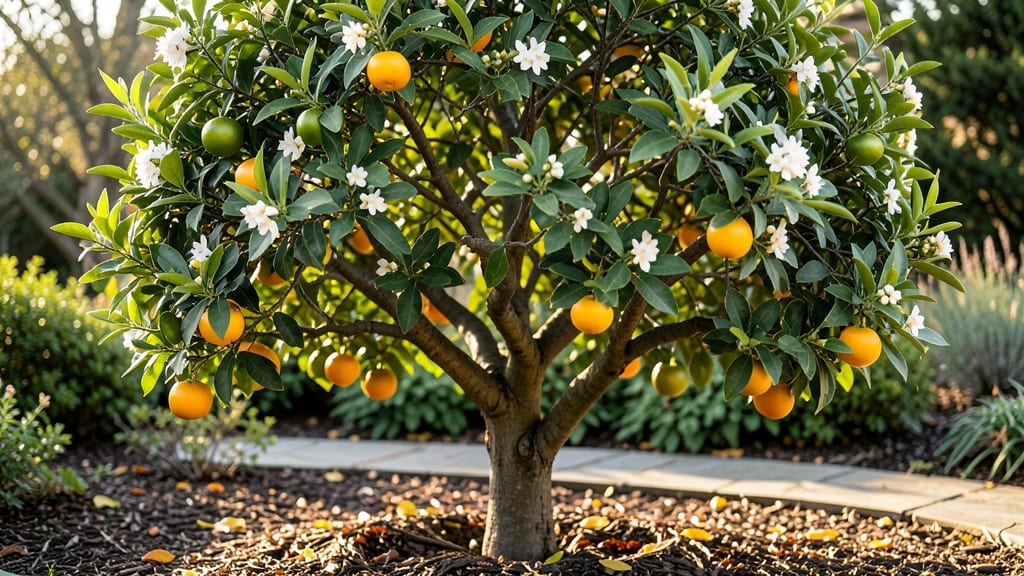
An orange tree can grow anywhere from 3 feet to over 40 feet tall, depending on the variety you choose—so your backyard or balcony can handle it, no matter how small.
Picture this: a dwarf Calamondin perched on your kitchen windowsill, its tiny oranges perfect for cocktails, or a towering Valencia shading your patio like a citrus canopy. The difference isn’t just height—it’s about space, care, and the kind of harvest you’re dreaming of.
Standard varieties like Navel oranges reach 20 to 40 feet, making them better suited for rural properties or large gardens. But dwarf and semi-dwarf types (think 8 to 18 feet) thrive in containers, urban yards, or even greenhouses, proving you don’t need acres to enjoy fresh fruit.
In this guide, I’ll break down the exact heights of popular varieties, how fast they grow, and the simple tricks to keep them at your ideal size—whether that’s a tabletop tree or a backyard giant.


Orange tree height by variety: from dwarf to giant citrus giants
Choosing an orange tree often comes down to space—whether you dream of a towering citrus centerpiece or need a compact patio plant. The height difference between varieties can be dramatic, with some reaching 40 feet while others stay under 6 feet.
Your garden size, climate, and care goals all play a role in selecting the right type. For example, a Valencia orange tree can dominate a backyard, while a Calamondin thrives in a hanging basket. Let’s explore the spectrum of sizes and what influences their growth.
Before selecting, consider your growing zone and container limitations. In warmer climates like USDA Zone 10, even dwarf varieties may grow taller due to year-round warmth. Meanwhile, in cooler zones like Zone 8, growth slows in winter, keeping trees more manageable.
Pruning also impacts height—regular trimming can keep a standard tree at 15 feet instead of its full potential. Let’s break down the most popular varieties and their mature heights to help you decide.
🌱 comparison table
The Calamondin orange is my top pick for small spaces—its 3–6 foot height makes it perfect for balconies or sunny windowsills. This variety grows slowly, so it won’t outgrow its container quickly.
If you’re in Zone 9 or warmer, you can even grow it outdoors year-round with minimal winter protection. Its compact size doesn’t mean sacrificing fruit, though—Calamondins produce tiny, tart-sweet oranges perfect for cocktails or garnishes.
For those with moderate backyard space, the Improved Meyer lemon-orange hybrid is a game-changer. Standing 8–12 feet tall, it’s tall enough to make a statement but manageable with regular pruning.
This variety is also self-pollinating and produces fruit year-round in warm climates. I’ve seen it thrive in 15-gallon containers for 3–4 years before needing repotting, making it ideal for urban gardeners.
If you’re dreaming of a classic citrus tree with a 20–40 foot reach, the Valencia and Navel orange varieties are the heavyweights. These trees grow 2–4 feet per year under ideal conditions, so they’ll quickly dominate your landscape.
In USDA Zone 10, they can grow year-round, while in cooler zones, they’ll need winter protection like windbreaks or frost cloth. Their height makes them better suited for large properties or commercial orchards, but their abundant fruit production is worth the space.
Climate plays a huge role in how tall your orange tree grows. In Zone 10, where winters are mild, trees grow faster and reach their maximum height potential. But in Zone 8 or cooler, growth slows in winter, keeping trees shorter unless you provide greenhouse protection.
For example, a Valencia orange in Zone 10 might hit 30 feet in 10 years, while the same tree in Zone 8 could stay under 20 feet without extra care.
Container gardening is another way to control height. Root-bound trees grow slower because their roots can’t expand, which naturally limits vertical growth. I
How fast do orange trees grow to mature height? Growth rate timeline
If you're dreaming of a backyard citrus grove or a patio-sized orange tree, understanding growth rates helps you plan.
Most orange trees reach maturity between 3 to 10 years, but their yearly growth varies wildly depending on the variety. Dwarf varieties like Calamondin grow just 6-12 inches per year, while standard types like Valencia can shoot up 1-2 feet annually under ideal conditions.
Growth isn't linear—your tree's first year is critical.
A young orange tree planted in spring may only reach 2-4 feet tall by its first winter, but with proper care, it can double that height by year two. Soil quality, sunlight exposure, and watering consistency directly impact these early growth spurts.
For example, sandy soil drains too quickly, stunting root development, while loamy soil with organic matter fuels rapid growth.
🌱Seasonal growth patterns also play a huge role. In spring and summer, when temperatures hover between 65-85°F, orange trees experience their fastest growth. However, winter dormancy in colder zones (like USDA Zone 6) can halt growth entirely for 2-3 months.
If you're in a frost-free zone, expect year-round growth, though it slows during cooler months. For container-grown trees, this seasonal slowdown is less pronounced but still noticeable.
Light exposure is non-negotiable for speedy growth. A sunny location with 8+ hours of direct sunlight accelerates growth by up to 30% compared to partial shade.
I once had a Valencia tree in a shady corner that grew just 6 inches in its first year—until I moved it to full sun, where it shot up 2 feet in six months.
Watering habits matter too: Deep, infrequent watering (every 5-7 days in summer) encourages strong root systems, while shallow, frequent watering leads to weak, leggy growth.
Soil type can either make or break your tree's growth rate. Well-draining, slightly acidic soil (pH 6.0-7.0) is ideal. Amend heavy clay with compost or sand to improve aeration.
I've seen orange trees in sandy soil struggle to grow taller than 3 feet in two years because their roots couldn't anchor properly. Meanwhile, trees in amended loam reached 10 feet in the same time.
Regular feeding with a citrus-specific fertilizer (high in nitrogen for early growth) also boosts yearly height gains by 10-15%.
With the right conditions, even a standard orange tree can reach fruiting maturity in 3-5 years. But remember: patience is key. A dwarf variety might take 2-3 years to bear fruit, while a tall tree could wait 5-7 years.
The trade-off? Dwarf trees produce smaller yields, while tall trees offer hundreds of oranges annually once mature. Plan accordingly—your garden's future depends on it! 🍊