
Size
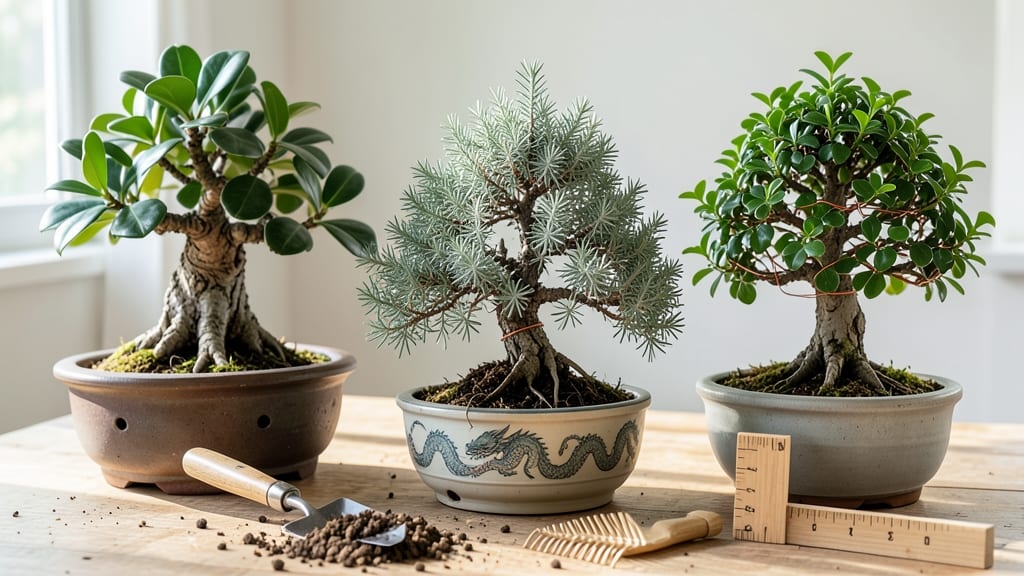
A bonsai tree grows anywhere from a few inches to 3 feet—but how tall does a bonsai tree grow? The answer isn’t luck; it’s deliberate care. Imagine spending years shaping a tree that could otherwise stretch 50 feet tall into a delicate desk companion.
The secret lies in species choice, pruning precision, and container constraints.
Most beginners assume bonsai stay small on their own, but without regular trimming, even dwarf varieties will outgrow their pots. Take the juniper bonsai, for example: left unchecked, it can reach 2 feet in a decade, while a meticulously pruned ficus might max out at 12 inches.
The difference comes down to technique—and knowing which species plays by which rules.
If you’re dreaming of a tabletop bonsai that fits beside your morning coffee, we’ll break down the height expectations by species, the pruning calendar that keeps them miniature, and the container sizes that stifle vertical growth naturally.
Spoiler: the right pot isn’t just decorative—it’s the unsung hero of height control.
Ready to turn that 3-foot sapling into a 6-inch masterpiece? Here’s how to pick the perfect species for your space, master the art of wiring without breaking branches, and troubleshoot when your bonsai starts reaching for the ceiling.


Bonsai tree height by species: what to expect from miniature masters
Bonsai trees are living artworks, and their height is one of the most fascinating aspects of their cultivation. Unlike their full-sized counterparts, bonsai thrive when kept small—typically between 6 inches and 3 feet—but the exact size depends entirely on the species and your pruning approach.
Some varieties naturally stay tiny, while others require more aggressive techniques to maintain their miniature stature. Understanding these differences will help you choose the perfect bonsai for your space and skill level.
When selecting a bonsai, always consider its natural growth habits. Deciduous trees like maples grow faster and need regular pruning, while conifers such as junipers grow slower and can be easier to manage.
Even within a species, dwarf varieties exist that stay under 12 inches tall, making them ideal for small spaces or beginners. Let’s explore the height ranges of popular bonsai species and what influences their size.
The juniper bonsai is one of the most popular choices for beginners because of its slow growth rate and hardy nature. In the wild, junipers can reach towering heights, but as bonsai, they typically
How to control bonsai tree height: pruning, wiring, and care techniques
Controlling your bonsai tree height requires precision and patience, but with the right techniques, you can maintain that perfect miniature size. The key lies in understanding pruning cycles, wiring methods, and seasonal adjustments tailored to your specific species.
Whether you're working with a juniper bonsai or a ficus bonsai, these methods will help you shape your tree's growth over time.
Start by choosing the right pruning tools—sharp, clean scissors or shears for branch trimming and concave cutters for larger branches. Always prune just above a leaf node or bud to encourage new growth.
Remember, pruning frequency varies by species; deciduous trees like maple need pruning after their leaves fall, while evergreens like pine can be pruned year-round with caution.
Step-by-Step Guide to Controlling Bonsai Height
- Step 1
- Step 2
- Step 3
- Step 4
- Step 5
Trim soft new growth to 1/3 of its length every 2-4 weeks during the growing season. This prevents elongation and maintains a compact shape.
Wrap aluminum or copper wire around branches to guide their growth. Remove wire after 3-6 months to avoid scarring.
Remove 50-70% of leaves during the growing season to encourage smaller, denser foliage. Best for deciduous species like maple or beech.
Trim surface roots during repotting to limit height growth. Use a well-draining soil mix to prevent root-bound stress.
Reduce watering in winter months and avoid fertilizing during dormancy. Spring and summer are ideal for active growth control.
For species-specific care, junipers respond well to winter pruning while ficus bonsai benefit from year-round light pruning. Always research your tree's natural growth habits—some species like azalea grow more slowly and require less aggressive pruning.
The goal is to balance growth while maintaining the tree's health and aesthetic appeal.
Remember, patience is key—bonsai growth is slow, and rushing can damage your tree. Keep a gardening journal to track pruning dates, wire adjustments, and seasonal changes. Over time, you'll develop an intuitive sense of when to intervene and when to let your bonsai grow naturally.
With consistent care, your bonsai will stay at your desired height while thriving as a stunning centerpiece.
Don't forget to rotate your bonsai quarterly to ensure even sunlight exposure, which prevents lopsided growth. A well-maintained bonsai isn't just about height control—it's about creating a harmonious miniature landscape that reflects your artistic vision. Happy pruning! 🌿✂️🪴