
How To
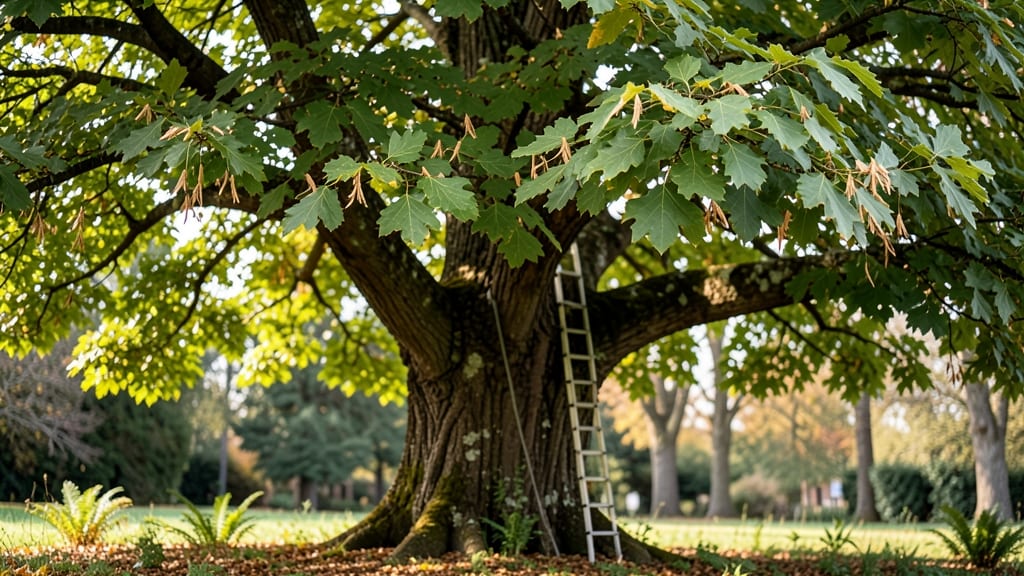
How tall does an elm tree grow? It can reach heights of 40 to over 100 feet, depending on the species, with some varieties like the American Elm towering 80 to 100 feet tall 🌳. If you’re eyeing one for your yard, that’s not just a tree—it’s a long-term commitment to space and sunlight planning.
Picture this: a fast-growing Siberian Elm shooting up 3 to 5 feet per year while your neighbor’s American Elm barely gains 1 to 2 feet annually. The difference isn’t just in the timeline—it’s in how much pruning, root management, and even property-line negotiations you’ll need to consider.
Below, we’ll break down which species stay compact (like the ‘Patriot’ hybrid at 40 to 50 feet) versus the giants, how soil and climate tweak those numbers, and why spacing matters more than you’d think.
You’ll also discover how to predict an elm’s future height before planting—so you can avoid the “oops, my driveway’s now a canopy” moment down the road.


Average elm tree heights by species: from dwarfs to giants
Elm trees are iconic shade providers, but their mature heights can vary dramatically depending on the species. If you're choosing one for your yard, understanding these differences is key to avoiding future space conflicts.
The American Elm famously reaches 80-100 feet, while some hybrid varieties stay under 50 feet—a difference that impacts everything from property lines to power line clearance.
For urban gardens where space is limited, dwarf varieties like the 'Dwarf Chinese Elm' (Ulmus parvifolia 'Wynne's Broom') offer a more manageable 20-30 feet height. Meanwhile, the Siberian Elm (Ulmus pumila) grows aggressively to 50-70 feet, making it better suited for open landscapes.
Your choice should align with both your yard's dimensions and local climate conditions.
Here’s a quick reference for the most popular elm species and their mature heights:
The American Elm is the tallest, often surpassing 100 feet in ideal conditions, but its growth rate is slower (1-2 feet per year). This makes it a long-term investment for shade and aesthetic value, but it requires ample space and regular pruning to maintain health.
Its vibrant green foliage and resilient bark make it a favorite for historic landscapes.
In contrast, the Siberian Elm grows 3-5 feet per year, reaching 50-70 feet in as little as 15-20 years. This rapid growth is ideal for quick shade solutions in urban areas, but its aggressive root system can damage sidewalks or driveways.
If you're planting near hardscapes, consider root barriers or container planting for younger trees.
Hybrid varieties like the 'Patriot' Elm strike a balance, offering 40-50 feet of height with disease resistance and a moderate growth rate. These are perfect for residential yards where you want shade without overwhelming your space.
Always check local regulations, as some cities restrict elm planting due to Dutch elm disease risks.
For small gardens or containers, the Dwarf Chinese Elm is a game-changer. Its 20-30 feet height fits neatly into patio designs or balcony plantings, and its compact growth habit makes it low-maintenance. Just ensure it gets full sun and well-draining soil to thrive.
When planning your elm tree’s location, account for its canopy spread, which can be nearly as wide as its height. A 100-foot American Elm might spread 70-80 feet, so measure your yard’s open space carefully.
If you're unsure, consult a local arborist to assess your soil and sunlight conditions before planting.
Remember, pruning young elms can influence their mature height. Regular structural pruning encourages a stronger branch framework and can slightly reduce height if needed. Just avoid heavy pruning in late summer or fall, as this stresses the tree and invites pests or diseases.
If you're in a drought-prone area, opt for drought-tolerant varieties like the Siberian Elm, which handles dry conditions better than others. Always water deeply once a week for the first two years to establish a robust root system.
Mulching around the base helps retain moisture and regulates soil temperature.
🌳
Fastest-growing elm trees: how quickly they reach mature height
When choosing an elm tree for your landscape, growth speed matters just as much as final height. Some varieties shoot up 3-5 feet annually, while others creep along at 1-2 feet per year.
If you need quick shade or privacy, the fastest-growing elms deliver results in record time—but their rapid ascent demands smart planning to avoid structural problems later.
Understanding these growth rates helps you balance speed vs. manageability. For example, a Siberian Elm can reach 50 feet in just 10 years, while a Patriot Elm takes twice as long to mature.
Let’s break down the fastest climbers and how to keep them thriving without sacrificing your yard’s layout.
The Siberian Elm tops the chart as the fastest grower, shooting up 3-5 feet annually under ideal conditions. This makes it perfect for quick shade solutions but requires regular pruning to prevent weak branch structures.
If you’re short on time, this species can provide mature shade in as little as 10-15 years—though its invasive roots may clash with sidewalks or foundations.
For a balanced approach, the Patriot Elm grows at a steady 2-3 feet per year while resisting Dutch elm disease, a common threat to other varieties. Its hybrid genetics make it a low-maintenance powerhouse, reaching 40-50 feet in about 20 years.
Prune it annually to maintain a balanced canopy and avoid overcrowded branches.
If your yard has limited space, the Chinese Elm offers a compact option with 2-4 feet of growth yearly. It tops out around 20-30 feet, making it ideal for patios or small gardens.
To encourage dense growth, prune lightly in late winter to remove dead wood and shape the tree early in its development.
Regardless of species, pruning is non-negotiable for fast-growing elms. Use clean cuts at branch collars to avoid disease, and remove suckers at the base to redirect energy upward. For the Siberian Elm, consider crown thinning every 2-3 years to prevent storm damage from its top-heavy growth.
Always sterilize tools between cuts to protect against fungal infections.
Pro tip: Plant your elm tree at least 30-50 feet from structures, accounting for both its mature height and spreading roots. Mulch heavily around the base to retain moisture and suppress weeds, which compete for nutrients that fuel rapid growth.
With the right care, even the fastest elms will reward you with years of shade and beauty—without turning your yard into a jungle.