
How To
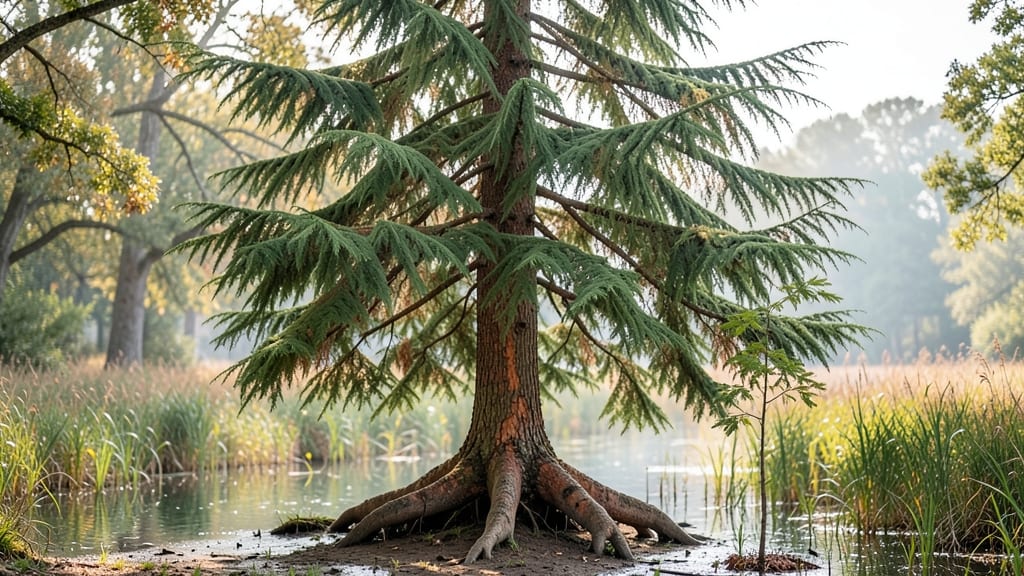
A cypress tree can grow up to 75 feet tall 🌲—taller than most homes—depending on the species, with some varieties reaching maturity in just 20 years.
If you're dreaming of a towering cypress tree in your landscape but aren’t sure how much space to allocate, you’re not alone. Many gardeners underestimate their impressive growth potential, especially when comparing species like the fast-growing Leyland cypress to the slower-growing Italian cypress.
Height isn’t the only factor—soil quality, sunlight exposure, and pruning habits can push a tree toward its maximum potential or stunt its growth entirely. For example, a bald cypress in wet, swampy conditions will grow taller and straighter than one planted in dry, urban soil.
Below, I’ll break down the exact height ranges by species, the factors that influence growth, and whether dwarf varieties exist—so you can plan your landscape with confidence.


Cypress tree height by species: exact growth ranges and mature sizes
Choosing the right cypress tree for your landscape starts with understanding their mature heights and growth habits. Some varieties grow into towering giants, while others remain compact shrubs. The bald cypress and Leyland cypress are among the fastest-growing, while the Italian cypress stays slender but elegant.
Let’s break down the exact height ranges and growth characteristics of the most popular cypress species to help you plan your space wisely.
Your yard’s design hinges on knowing whether a cypress will reach 50 feet or 100 feet at maturity. The Monterey cypress, for example, typically stays between 30-50 feet, making it ideal for smaller properties, while the bald cypress can soar to 75 feet or more in optimal conditions.
Understanding these differences ensures you avoid overcrowding or underutilizing space.
Below is a detailed comparison of the most common cypress varieties, including their average heights, growth rates, and ideal climates. This will help you decide which species aligns best with your landscape goals and local environment.
The bald cypress is one of the most adaptable cypress species, thriving in wet or swampy soils while still reaching impressive heights. Its fast growth rate of 2–3 feet per year makes it a favorite for quick privacy screens, but its wide spread demands ample space.
If you’re in USDA Zones 4–10, this tree is a versatile choice for both formal and natural landscapes.
For those seeking a fast-growing cypress, the Leyland cypress is a powerhouse, growing 3–4 feet annually and reaching 60–75 feet in ideal conditions. However, its rapid growth means it needs regular pruning to manage its width.
This species excels in coastal climates but may struggle in hot, dry interiors without extra care.
The Monterey cypress offers a more compact option, perfect for smaller yards or urban gardens. While it only grows 1–2 feet per year, its narrow, columnar shape makes it ideal for tight spaces.
Native to California’s coastal regions, it thrives in USDA Zones 7–10 and tolerates salty, windy conditions better than most cypress varieties.
If you prefer a slim, ornamental cypress, the Italian cypress is unmatched in elegance. Though it tops out at 20–40 feet, its tapered silhouette creates a dramatic focal point.
This species is best suited for mediterranean climates and requires well-draining soil to prevent root rot. Its slow growth rate means it’s low-maintenance but takes longer to reach maturity.
When planning your landscape, consider not just the height but also the spread and growth rate of each species. A Leyland cypress might be perfect for a large property, while a Monterey cypress could be ideal for a narrow garden.
Always check your local USDA zone and soil conditions to ensure the species you choose will thrive long-term.
For those with limited space, dwarf cypress varieties like the ‘Swanee’ bald cypress (reaching 10–15 feet) or ‘Golden Mop’ Italian cypress (staying under 1
Factors that affect cypress tree height: soil, climate, and care tips
Cypress trees thrive when given the right growing conditions, but their height potential can vary dramatically based on your local environment and care practices. While some species naturally grow taller, others may stay shorter due to soil quality, water availability, or pruning habits.
Understanding these factors helps you maximize vertical growth or manage a smaller tree for tight spaces.
One of the biggest influences on cypress tree height is soil drainage. These trees despise soggy roots, which can stunt growth or even kill the tree. Sandy or loamy soils with good drainage allow roots to expand freely, fueling rapid upward growth.
In contrast, clay-heavy soils can restrict root development, limiting how tall your cypress can become over time.
⚠️ WARNING: Common Mistakes That Stunt Growth ⚠️
Another critical factor is sunlight exposure. Cypress trees need full sun (6+ hours daily) to reach their maximum height. When planted in partial shade, they grow slower and may develop weak, leggy branches.
For example, a Leyland cypress in full sun can grow 3-4 feet per year, while the same tree in partial shade might only gain 1-2 feet annually.
Watering habits play a surprising role in height development. While cypress trees are drought-tolerant once established, young trees need consistent moisture to support rapid vertical growth. Deep watering 2-3 times per week during the first year encourages strong root systems, which later translate to taller mature trees.
Once established, reduce watering to once weekly to avoid over-saturation.
Seasonal care also impacts height potential. Applying a balanced fertilizer (10-10-10) in early spring gives cypress trees the nutrients they need for explosive growth. Skip fertilizing in fall and winter, as new growth during these seasons can be damaged by frost.
Prune only in late winter or early spring to avoid stressing the tree when it’s actively growing.
For gardeners in urban environments, air pollution and compacted soil can limit height. If your cypress isn’t growing as tall as expected, test your soil pH (ideal: 5.0-7.0) and consider adding organic mulch to improve root health.
With the right conditions, even slow-growing varieties like Italian cypress can reach 30-40 feet over time.