
How To
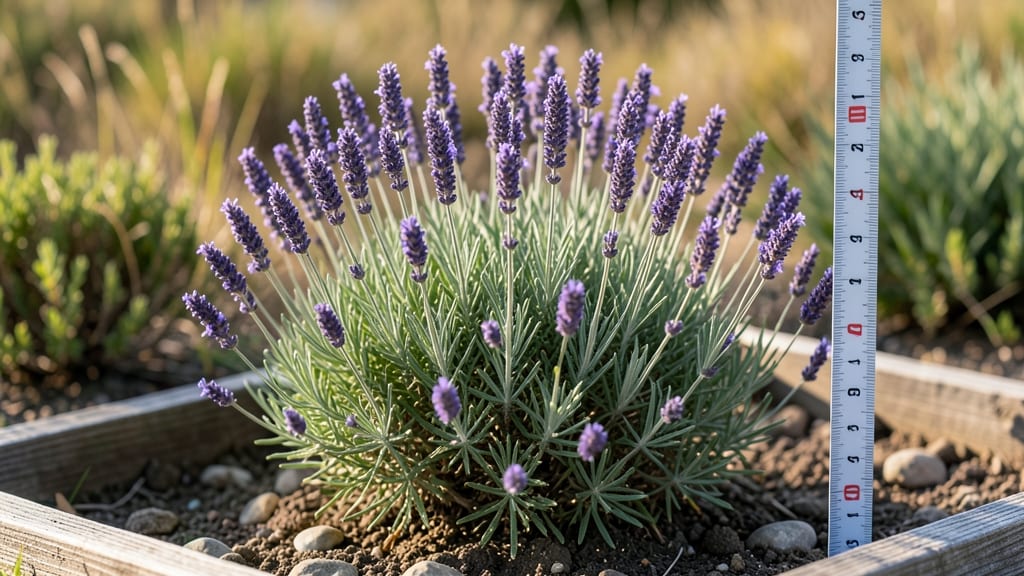
A lavender tree can grow how tall does a lavender tree grow between 6 and 10 feet at maturity, towering over most garden beds with its fragrant purple blooms 🌿—though many gardeners underestimate how quickly it reaches that height.
If you’ve ever dreamed of a fragrant, purple-hued garden staple but worried about space, lavender trees might be the perfect solution—yet their height surprises many gardeners.
What starts as a modest 1-2 feet in its first year can double in size within just two seasons, making pruning a must for compact growth.
This isn’t just about aesthetics—lavender trees thrive in full sun and well-draining soil, but their rapid growth means they’ll quickly outgrow small gardens if left unchecked. The key to managing their size lies in understanding your specific variety and pruning at the right time.
Below, I’ll break down how to keep your lavender tree at your desired height, from choosing dwarf varieties to mastering pruning techniques that encourage bushier, smaller growth without sacrificing those signature blooms.


Lavender tree height guide: compact varieties explained (with exact measurements)
First, let me clear up a common misconception: lavender trees aren't true trees at all—they're woody lavender shrubs (like Lavandula angustifolia or Lavandula x intermedia hybrids) that grow tall enough to resemble small trees.
Their height varies dramatically by variety, from dwarf types under 3 feet to standard shrubs reaching 6 feet. Knowing these exact measurements helps you plan your garden layout without sacrificing that dreamy lavender fragrance.
Most gardeners assume all lavender varieties grow tall, but compact lavender trees exist—perfect for small spaces, containers, or urban gardens. For example, the popular 'Hidcote Giant' variety tops out at 4-5 feet, while 'Little Lady' stays under 2 feet.
Even standard types like 'Grosso' can be pruned to control height, making them versatile for different garden styles.
Here’s the key insight: growth rate matters just as much as mature height. Dwarf varieties grow 6-12 inches per year, while standard types can shoot up 12-24 inches annually.
This means a 3-foot lavender tree might take 2-3 years to reach its full size, while a 6-foot variety could double in height within a single growing season if unpruned.
Before we dive into exact measurements, here’s a pro tip: lavender trees grow fastest in their first 2-3 years, then slow down as they mature.
This growth pattern is crucial for pruning planning—if you want a 3-foot lavender tree, you’ll need to prune aggressively in years 2 and 3 to control that rapid early growth.
Now, let’s get to the numbers. Not all lavender is created equal—some varieties are bred specifically for height control, while others are naturally compact. Below is a summary table of the most popular lavender tree varieties, ranked by mature height, growth rate, and ideal spacing for your garden.
If you’re working with limited space, the 'Little Lady' and 'Lavender Lady' varieties are game-changers. These compact lavender trees stay under 3 feet tall, making them ideal for container gardening or urban balconies.
They also bloom prolifically, so you’ll get that signature lavender fragrance without sacrificing square footage.
For standard gardens, varieties like 'Hidcote Giant' and 'Provence' strike a balance—tall enough to create a privacy hedge (4-5 feet) but manageable with pruning.
If you’re aiming for a classic lavender look, 'Grosso' is a top pick, though it requires more aggressive pruning to keep it under 5 feet. Without pruning, it can easily reach 6 feet or taller.
Here’s a critical piece of advice: pruning in late winter or early spring is the best way to control height. For example, if you plant a 'Grosso' lavender
How to control lavender tree height: pruning tips for bushier, smaller growth
If your lavender tree is growing taller than you'd like, don't worry—you're not alone! Many gardeners struggle with managing their lavender tree height while keeping it lush and fragrant. The key lies in pruning techniques that encourage bushier growth rather than vertical stretching.
With the right approach, you can easily maintain a compact lavender tree that fits your garden perfectly.
Before grabbing your shears, it's crucial to understand that lavender trees are actually shrubs, not true trees. This means they respond best to light pruning rather than heavy cutting. The goal is to shape them while preserving their natural beauty and encouraging new growth.
I've found that timing and technique make all the difference in achieving that bushier, smaller growth you desire.
Step-by-Step Pruning Guide for Lavender Trees
- Step 1: Choose the Right Time Prune immediately after flowering in late spring or early summer (June for most regions). Avoid pruning in fall or winter as this can damage new growth.
- Step 2: Gather Your Tools Use clean, sharp pruners (sterilized with rubbing alcohol) and hand pruners for smaller stems. Avoid hedge trimmers—they can tear the foliage.
- Step 3: Remove Dead or Damaged Wood Cut back any dead, brown, or woody stems to the base. This promotes healthier growth and prevents disease.
- Step 4: Shape for Bushiness Trim 1/3 of the current year's growth from the tips of branches to encourage branching. Focus on the outer edges to maintain a rounded shape.
- Step 5: Thin Out Crowded Areas Remove 1-2 older stems at the base to improve airflow and reduce competition. This helps create a fuller, more compact plant.
- Step 6: Avoid Over-Pruning Never cut more than 1/3 of the plant's height at once. Over-pruning can shock the plant and lead to stunted growth or dieback.
- Step 7: Clean Up and Mulch Remove all pruned material and apply 2-3 inches of mulch around the base (keep it 3 inches away from the trunk) to retain moisture and suppress weeds.
One of the most common mistakes I see is pruning lavender trees in the wrong season. Pruning in fall or winter can leave your plant vulnerable to cold damage, while pruning in spring can encourage leggy growth.
Always wait until after the flowering season to give your lavender tree a fresh start for the next growing season.
Another tip I swear by is to never prune into old wood. Lavender shrubs produce new growth from the current year's stems, so cutting back to last year's wood can result in bare spots.
If you accidentally cut too far, don't panic—just focus on shaping the current year's growth in future pruning sessions.
For extra bushy growth, consider a technique called "pinching." In early summer, gently pinch off the tips of new growth with your fingers. This encourages the plant to branch out rather than grow tall.
I've found this works especially well for dwarf lavender varieties that tend to stretch when they get too much sun.
Finally, remember that lavender trees thrive on neglect. Over-fertilizing or overwatering can lead to soft, floppy growth that's prone to disease. Stick to a light feeding schedule (once in early spring) and let the soil dry out between waterings.
With these pruning tips, your lavender tree will stay compact, fragrant, and full of life for years to come! ✂️🌿