
How To
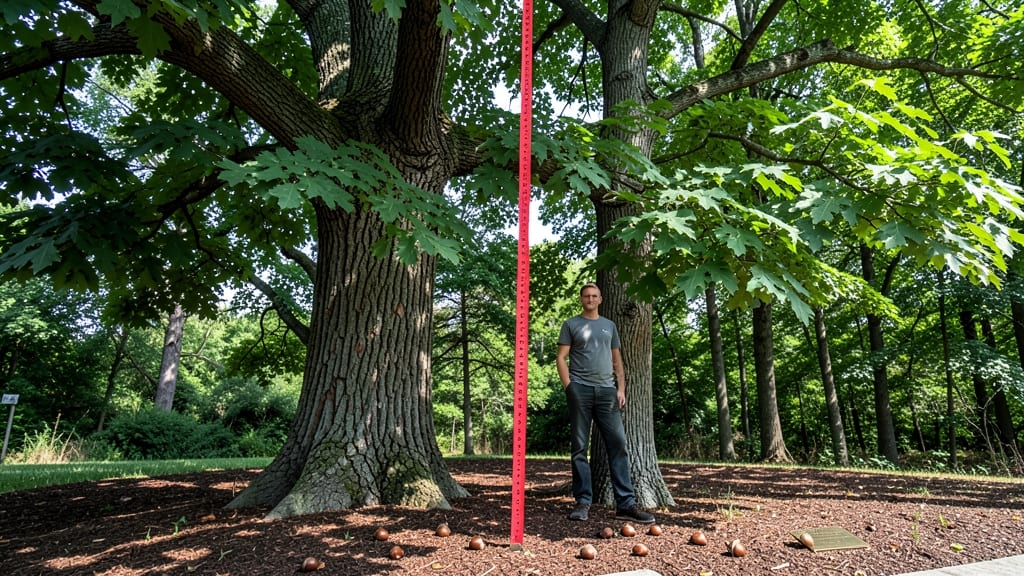
An oak tree can grow how tall can a oak tree grow to 100 feet or more—taller than most two-story homes—with some species reaching their full height in just 50 years.
If you’ve ever wondered whether your backyard could someday host a towering oak tree 🌳, the answer is a resounding yes—some species reach heights that rival skyscrapers, with the fastest-growing varieties hitting 100 feet in just half a century.
But not all oaks grow that fast or that tall. White oaks, for example, mature at a steadier pace, while red oaks shoot up quickly but need the right conditions to reach their full potential.
Soil quality, sunlight, and even your pruning habits play a bigger role than you might think.
In this guide, I’ll break down the fastest-growing oak species, what determines their height, and how you can help (or hinder) your tree’s growth—whether you’re dreaming of a backyard giant or just want a sturdy shade provider.


Oak tree height records: fastest-growing species that skyrocket to 100 feet
Oak trees are nature's skyscrapers, with some species reaching 100 feet or taller in ideal conditions. The fastest-growing varieties can hit that monumental height in just 50 years, transforming your backyard into a forest-like sanctuary.
If you're dreaming of a towering oak, understanding which species grow fastest—and how to nurture them—is key to achieving that majestic height.
Not all oak species grow at the same pace, though. Red oaks and white oaks are among the fastest, while others like bur oaks take a bit longer to reach their full potential. The good news?
With the right care, you can help your oak tree break height records in your own landscape. Let’s explore the fastest-growing species and what it takes to coax them to their towering heights.
| Species | Mature Height (ft) | Time to 100 ft | Growth Rate (ft/year) | Key Traits |
|---|---|---|---|---|
| Northern Red Oak | 75–100 ft | 40–50 years | 1.5–2.5 ft | Fast-growing, adaptable, brilliant red fall foliage |
| White Oak | 60–90 ft | 50–70 years | 1.0–1.5 ft | Slow to moderate growth, drought-resistant, strong wood |
| Bur Oak | 60–80 ft | 50–60 years | 1.0–1.3 ft | Slow but sturdy, great for urban areas, acorn production |
| Pin Oak | 50–75 ft | 35–45 years | 1.2–1.8 ft | Fast-growing, pyramidal shape, great for small yards |
| Swamp White Oak | 80–100 ft | 50–60 years | 1.3–1.7 ft | Tolerates wet soil, fast in moist climates, strong branches |
The Northern Red Oak stands out as the fastest grower, often reaching 100 feet in just 40–50 years under ideal conditions. Its growth rate of 1.5–2.5 feet per year makes it a top choice for gardeners eager to see quick results.
Meanwhile, the Swamp White Oak can also hit 100 feet, though it thrives best in moist, well-drained soils.
If you're working with a smaller space, the Pin Oak is a fantastic compromise. It grows 1.2–1.8 feet per year and typically matures between 50–75 feet, making it ideal for suburban yards. Its pyramidal shape also adds architectural interest without overwhelming your landscape.
For those in drier climates, the White Oak is a reliable choice, though it grows slightly slower at 1.0–1.5 feet per year. Its drought-resistant nature and long lifespan make it a low-maintenance investment for long-term growth.
The Bur Oak, while slower, is incredibly adaptable to urban conditions and produces abundant acorns, which can attract wildlife to your yard.
To maximize your oak tree’s height potential, focus on soil quality, sunlight exposure, and consistent watering during its early years. A well-draining, nutrient-rich soil and full sun exposure (6+ hours daily) are non-negotiable for rapid growth. Avoid over-pruning young trees, as this can stunt their vertical development.
One common misconception is that all oak trees grow at the same rate. In reality, genetics, climate, and care play huge roles. For example, a Northern Red Oak in a humid, warm climate like the Southeast will grow faster than the same species in a cooler, drier region.
Pay attention to your USDA hardiness zone and choose a species that thrives in your area.
If you're planting an oak tree with the goal of reaching 100 feet, start with a healthy sapling and give it space to grow. A 100-foot oak needs at least 50–75 feet of clearance from structures, power lines, and other trees.
Proper spacing ensures your oak has room to develop a strong,
What determines how tall an oak tree grows: soil, climate, and care factors
If you’ve planted an oak sapling dreaming of a future shade giant, you’re not alone—but your tree’s ultimate height depends on far more than just time. The soil composition, climate conditions, and even your pruning habits can push your oak toward the sky or keep it stunted.
Let’s break down the science behind oak tree height so you can nurture a true skyscraper in your landscape.
Oak trees thrive where nature provides ideal conditions, but even the hardiest species need the right environmental support.
A White Oak in rich, moist soil with full sun might reach 80 feet in 40 years, while the same tree in poor soil or shade could max out at 40 feet.
Your oak’s height potential is written in the soil’s nutrients, the sun’s rays, and even the air’s humidity—all factors you can influence.
- 🌱 Soil Quality: Well-draining, sandy-loam soil with pH 6.0-7.5 fuels rapid growth. Compacted or waterlogged soil stunts roots, capping height at 30-50 feet.
- ☀️ Sunlight Exposure: 6+ hours of direct sun daily is non-negotiable. Shade reduces height by 30-50%, as photosynthesis slows without full light.
- 💧 Water Availability: Deep watering 2-3 times weekly in dry climates ensures strong root development. Drought stress can shrink mature height by 20 feet.
- ✂️ Pruning Techniques: Structural pruning in early years guides upward growth, while aggressive trimming can reduce height by 10-20 feet if overdone.
- 🌡️ Climate Zones: USDA Zones 4-9 are ideal. Cooler zones slow growth, while humid climates (like the Southeast) accelerate it by 20-30%.
Your oak’s root system is the foundation of its future height, and soil plays a starring role here. Clay-heavy soils restrict root expansion, while sandy soils drain too quickly, both limiting nutrient uptake.
Amending with compost or organic matter can boost height potential by 15-25 feet over 20 years. Think of your soil as the tree’s lifeline—without it, even the sunniest spot won’t unlock full growth.
Climate isn’t just about temperature—it’s the combination of sun, rain, and wind that shapes your oak. In arid regions, like parts of Texas, oaks grow slower due to water scarcity, often topping out at 50 feet.
Meanwhile, in temperate zones with consistent rainfall, like the Pacific Northwest, oaks can hit 100 feet with ease. Even elevation matters: high-altitude oaks grow more slowly due to thinner air and cooler temps.
Don’t underestimate the power of pruning—or the damage of neglect. Improper pruning can create weak branch structures, reducing height by 10-15 feet over time. Always prune in late winter to avoid stressing the tree, and never remove more than 25% of the canopy in a single session.
A well-pruned oak doesn’t just grow taller; it grows stronger and healthier.
For maximum height, combine these factors like a pro: plant in well-amended soil, ensure full sun exposure, water deeply during droughts, and prune strategically.
With the right conditions, your oak could one day cast shade over your grandchildren’s backyard—just like the ancient giants that have stood for centuries. 🌳