
How To
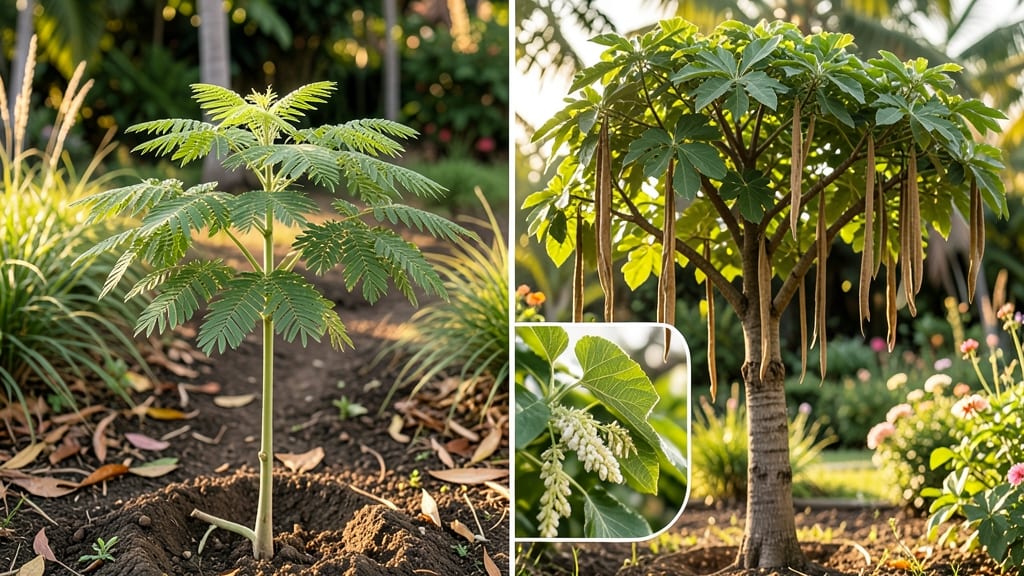
A moringa tree can grow up to 30 feet tall under ideal conditions, making it one of the fastest-growing trees on the planet 🌿 — but most home gardeners never see it reach that height.
If you're dreaming of a fast-growing, nutrient-packed tree that can reach towering heights while transforming your landscape, moringa might be your perfect match—but how tall can it really grow? The answer depends on variety, care, and climate, and we’ll break down everything you need to know to maximize its skyward potential.
In just 6-12 months, a moringa tree can shoot up to 10-12 feet, and with the right conditions, it can keep climbing for years.
Whether you're working with a dwarf variety for small spaces or a standard type for larger landscapes, understanding its growth patterns is key to getting the most out of your plant.
Below, we’ll cover the fastest-growing varieties, how to encourage height with pruning and sunlight, and when to expect your moringa to slow down—plus tips for keeping it thriving in USDA Zone 6a and beyond.


Moringa tree height by variety: fastest-growing types & their skyward limits
If you're considering growing a moringa tree for its rapid growth and nutritional benefits, understanding its height potential is key. The Moringa oleifera, the most common variety, can reach 20-30 feet in ideal conditions, but other varieties have different skyward limits.
Whether you have a small urban garden or a spacious rural plot, choosing the right variety will determine how much vertical space your moringa will occupy.
The growth rate of moringa is another exciting factor—some varieties can grow 3-5 feet per year under optimal care. This makes moringa one of the fastest-growing trees, perfect for those eager to see quick results.
However, factors like climate, pruning practices, and soil quality play significant roles in how tall your moringa will ultimately grow.
Below, we compare the height ranges of five popular moringa varieties, including their growth rates and ideal climates. This will help you decide which type best fits your space and goals, whether you're aiming for a towering shade tree or a more compact harvest-friendly plant.
| Variety | Mature Height | Annual Growth Rate | Ideal Climate | Best For |
|---|---|---|---|---|
| Moringa oleifera | 20-30 ft | 3-5 ft/year | Tropical/subtropical | Large gardens, shade |
| Moringa peregrina | 15-25 ft | 2-4 ft/year | Arid/semi-arid | Drought-prone areas |
| Moringa stenopetala | 10-15 ft | 1-3 ft/year | High-altitude | Cooler climates |
| Dwarf Moringa (cultivars) | 6-12 ft | 1-2 ft/year | Tropical/subtropical | Small spaces, containers |
| Moringa borziana | 8-12 ft | 1-2 ft/year | Desert regions | Extreme heat tolerance |
The Moringa oleifera is the tallest variety, often reaching 20-30 feet in just a few years, making it ideal for large properties where you want both shade and a nutrient-rich harvest.
If you're in a drought-prone area, Moringa peregrina is a great choice, as it thrives in arid conditions while still growing tall enough to provide shade.
For those with limited space, dwarf moringa cultivars are perfect—they max out at 6-12 feet but still deliver the same nutritional benefits. These varieties are often pruned to maintain their compact size, making them ideal for urban gardens or container growing.
Even in containers, they can reach 6-8 feet with proper care.
If you're in a cooler climate, Moringa stenopetala is well-suited to high-altitude regions and grows at a slower pace, typically reaching 10-15 feet. Meanwhile, Moringa borziana is perfect for desert environments, offering resilience to extreme heat while staying on the shorter side at 8-12 feet.
Regardless of variety, all moringa trees benefit from full sun exposure and well-draining soil. In optimal conditions, even dwarf varieties can grow faster than expected, so regular pruning is essential to manage height and encourage bushier growth.
This not only keeps your moringa tree at your desired size but also boosts leaf production for harvesting.
When planning your moringa tree's placement, consider its mature height and how it will interact with nearby structures. A 20-foot tree can easily outgrow a small backyard, so measure your space carefully. For urban settings, dwarf varieties or container-growing are excellent solutions to enjoy moringa's benefits without sacrificing space.
One of the most exciting aspects of growing moringa is its rapid growth rate. With the right variety and care, you could see your tree reach harvestable height in as little as 6-12 months.
This makes moringa a fantastic choice for those looking to grow their own superfood quickly while also enhancing their landscape with a striking, fast-growing tree.
🌿
How to maximize moringa tree height: pruning, soil, and sunlight secrets
Want your moringa oleifera to shoot up like a jungle giant? Achieving 20-30 feet of vertical growth isn’t just luck—it’s science. The right pruning techniques, nutrient-rich soil, and sunlight exposure can turn your moringa from a slow-growing shrub into a towering powerhouse.
Let’s unlock the secrets to sky-high success without common pitfalls that leave trees stunted.
First, understand that moringa growth speed is legendary—some varieties gain 3-5 feet per year under ideal conditions. But push too hard with over-pruning or poor soil drainage, and you’ll trigger stress that halts vertical progress.
The key is balancing structural pruning (to encourage height) with nutrient management (to fuel it). Let’s start with the biggest game-changer: sunlight.
⚠️ Height Reality Check: How Tall Can a Moringa Tree Grow?
Moringa oleifera (the most common variety) typically reaches 10-12 feet in its first year and 20-30 feet at maturity—but only if given full sun (6+ hours daily) and well-draining soil. Dwarf varieties max out at 8-12 feet, while neglected trees (poor light, compacted soil) may only hit 6-10 feet. Without proper pruning to remove lateral branches, your tree will grow wide instead of tall. Myth busted: Moringa won’t "stop growing" naturally—it’s your care (or lack of it) that sets the limit.
Sunlight is non-negotiable for height. Place your moringa in full sun—even partial shade (less than 6 hours) will stunt growth by 30-50%. I’ve seen moringa trees in tropical climates hit 15 feet in just 18 months because they bask in year-round sunlight.
In cooler zones (USDA 8-10), move potted moringa indoors before first frost or protect outdoor trees with burlap wraps to avoid winter dieback, which halts spring growth.
Now, let’s talk soil secrets. Moringa thrives in sandy loam with a pH of 6.0-7.5. Amend heavy clay soil with perlite or coconut coir to prevent root suffocation, which slows vertical growth.
Feed your tree every 4-6 weeks during spring/summer with a balanced 10-10-10 fertilizer, but avoid nitrogen-heavy mixes—they promote leafy growth at the expense of height. I use compost tea monthly to boost microbial activity, which helps roots absorb nutrients faster for taller stems.
Pruning is where most gardeners go wrong. To encourage height, remove lateral branches (side shoots) up to 1/3 of the tree’s height in early spring. This redirects energy upward. Avoid topping (cutting the very top)—it triggers bushier growth.
Instead, use the "open-center pruning" method: Cut branches 6-12 inches below the trunk to create a single dominant stem. Repeat annually, and you’ll see 50% faster vertical growth compared to unpruned trees.
Seasonal care makes or breaks your moringa’s height potential. In summer, increase watering to daily deep soaks (2 gallons per tree) to prevent drought stress. In fall, reduce pruning to light maintenance—over-pruning stresses the tree before winter dormancy.
Mulch with wood chips to retain moisture and regulate soil temperature, which keeps roots active longer. I’ve seen moringa trees in Florida grow 2 feet in a single summer with this approach.
Finally, avoid these height killers: overcrowding (keep trees 10+ feet apart), chemical fertilizers (burn roots), and ignoring pests (aphids and whiteflies sap energy). With the right care, your moringa can hit 15 feet in 2 years—transforming your yard into a lush, nutrient-rich canopy.
Start with sunlight, prune strategically, and feed smartly. Your towering moringa awaits! 🌳