
How To
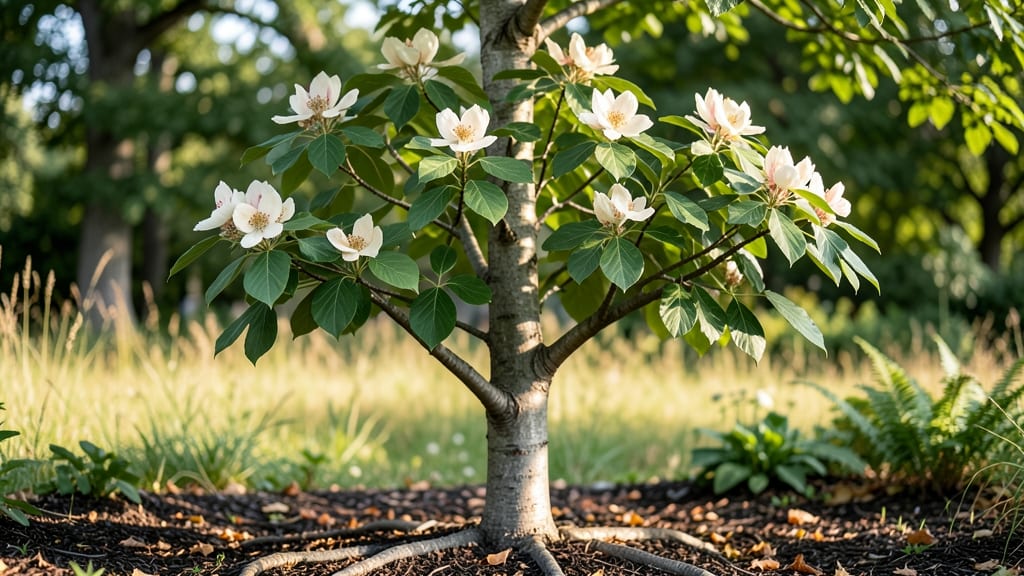
A dogwood tree grows anywhere from 10 to 30 feet tall at maturity, depending on the variety and growing conditions — a range that can make or break your garden design plans.
Picture this: you’ve spent months planning your backyard oasis, only to realize your dream dogwood 🌳 might outgrow its spot in 10 years. That’s why knowing the exact height range of your chosen variety is the first step to avoiding costly landscaping regrets.
Some dogwoods, like the classic Cornus florida, reach 20 to 25 feet, making them perfect for large yards or woodland edges. Others, like the Pacific dogwood, can stretch up to 30 feet, while compact varieties stay under 15 feet—ideal for urban patios or small gardens.
Below, I’ll break down the height ranges for popular dogwood species, the factors that influence their growth, and how to choose the right variety for your space—so you can plant with confidence and enjoy years of stunning blooms.


Dogwood tree height by variety: mature size ranges explained
Dogwood trees are a garden favorite for their show-stopping spring flowers and vibrant fall foliage, but their mature height varies dramatically by species. If you're planning your landscape, knowing exactly how tall your dogwood will grow helps you choose the perfect variety for your space.
Some dogwoods stay compact enough for small yards, while others reach towering heights perfect for large properties.
For example, the classic flowering dogwood (Cornus florida) typically grows to 15-25 feet, making it ideal for mid-sized yards. Meanwhile, the Pacific dogwood (Cornus nuttallii) can reach up to 30 feet, creating a stunning focal point in woodland gardens.
Understanding these differences ensures you pick a dogwood that fits your vision without outgrowing its welcome.
Below is a detailed breakdown of the most popular dogwood varieties and their mature heights, including compact options for tight spaces and towering varieties for bold statements. This guide will help you visualize how each variety will look in your landscape over time.
| Variety | Common Name | Mature Height (ft) | Spread (ft) | Best For |
|---|---|---|---|---|
| Cornus florida | Flowering Dogwood | 15–25 ft | 20–30 ft | Mid-sized yards, borders |
| Cornus kousa | Kousa Dogwood | 15–20 ft | 15–25 ft | Urban landscapes, small estates |
| Cornus nuttallii | Pacific Dogwood | 20–30 ft | 25–40 ft | Large gardens, woodland edges |
| Cornus alternifolia | Pagoda Dogwood | 12–20 ft | 10–15 ft | Small yards, foundation planting |
| Cornus florida 'Cherokee Brave' | Compact Flowering Dogwood | 10–15 ft | 10–12 ft | Patios, small spaces |
| Cornus kousa 'Milky Way' | Dwarf Kousa Dogwood | 10–12 ft | 8–10 ft | Containers, urban gardens |
The flowering dogwood (Cornus florida) is the most common variety in U.S. gardens, typically reaching 15-25 feet at maturity. This makes it perfect for mid-sized yards where you want a tree that provides shade and seasonal interest without dominating the landscape.
Varieties like 'Cherokee Brave' stay shorter, ideal for smaller spaces or containers, while standard types like 'Rubra' grow taller for a more dramatic effect.
If you're in the Pacific Northwest, the Pacific dogwood (Cornus nuttallii) is a standout choice, often growing 20-30 feet tall with a wide, spreading canopy. This variety thrives in moist, woodland settings and adds a bold statement to large gardens.
Its larger size makes it less suitable for tight urban spaces, but its stunning white blooms and deep red fall foliage are well worth the space.
For smaller landscapes or urban gardens, consider the Pagoda dogwood (Cornus alternifolia), which typically stays between 12-20 feet tall with a more compact, multi-stemmed growth habit. This variety is excellent for foundation planting or as a privacy screen in
Factors that influence dogwood tree growth height
Your dogwood tree's mature height isn't set in stone—it can vary dramatically based on growing conditions and your care habits. While most varieties reach 15-30 feet, factors like sunlight exposure, soil quality, and pruning practices can push them toward the shorter or taller end of that spectrum.
Even climate zones play a role, with dogwoods in cooler regions often growing more vigorously than those in hot, dry areas.
One surprising factor is how watering habits affect vertical growth. Overwatering can lead to leggy, tall growth as the tree stretches for light, while consistent moisture supports balanced, compact growth. Similarly, nutrient availability in your soil determines whether your dogwood reaches its full potential height or stays smaller.
Let's explore these key influences to help you control your tree's ultimate size.
How to Control Dogwood Tree Height
✅ Pros of Controlling Height
- Perfect fit for small yards
- Reduces pruning maintenance needs
- Creates desired landscape focal points
- Prevents power line conflicts
❌ Cons of Uncontrolled Growth
- Requires frequent pruning for shape
- May outgrow intended space
- Can develop weak branch structure
- Increases storm damage risk
Let's start with sunlight exposure, which has one of the biggest impacts on dogwood height. Most varieties thrive with 4-6 hours of morning sun but can become leggy and taller when exposed to full sun, especially in hot climates.
In shadier conditions, dogwoods often grow more slowly and develop a denser, bushier form. For example, Cornus florida may reach 25 feet in full sun but stay around 15 feet with filtered light.
Your soil type plays a crucial role too. Dogwoods prefer well-draining, slightly acidic soil (pH 5.0-6.5). Heavy clay soils can stunt growth, while rich loamy soil promotes vigorous, healthy growth.
I've seen dogwoods in my own garden grow 30% taller after amending the soil with compost and organic matter. Always test your soil before planting—it's the foundation for proper growth.
Pruning habits can dramatically alter your dogwood's height trajectory. Structural pruning in late winter helps maintain a balanced shape and prevents excessive height growth. Avoid heavy pruning in summer, as this can stimulate weak, vertical growth.
For multi-trunk dogwoods, regular pruning encourages multiple strong stems rather than one tall leader. I recommend pruning no more than 25% of the canopy at a time to avoid stressing the tree.
Don't overlook your climate zone—dogwoods grow best in USDA zones 5-8. In cooler zones (5-6), they often reach their full height potential, while in warmer zones (7-8), they may stay smaller unless given extra care.
For example, Pacific dogwoods (Cornus nuttallii) grow taller in coastal climates with mild summers. Always choose varieties suited to your specific microclimate for best results.
Remember, these factors work together. A dogwood in partial shade, well-amended soil, and with proper pruning will grow more predictably and beautifully than one neglected in full sun with poor soil. With these insights, you can guide your dogwood's growth to perfectly match your landscape vision. 🌳