
Flowers
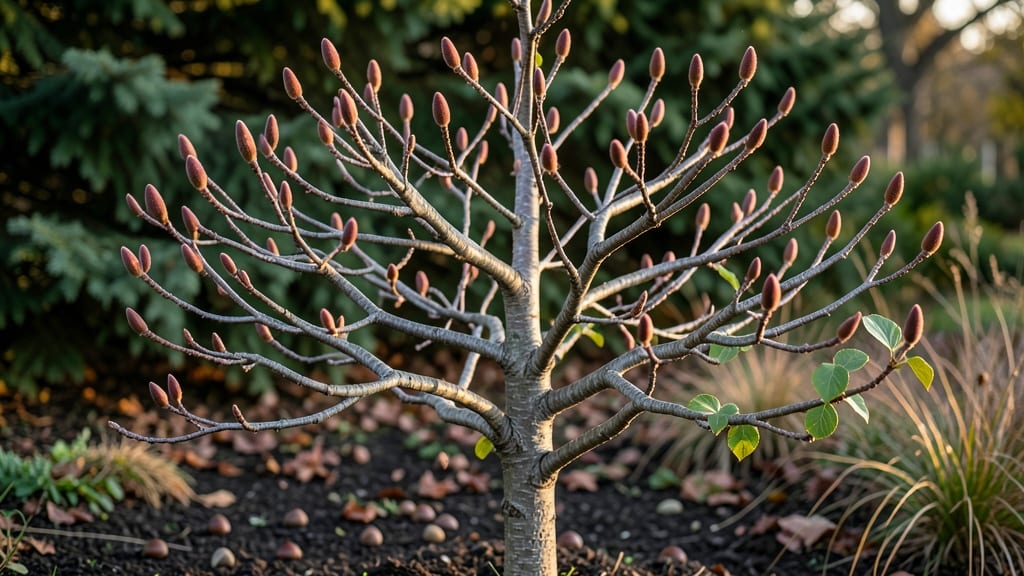
A dogwood tree without flowers can feel like a heartbreaking waste of all that lush green—until you realize it’s fixable. 🌿 I’ve nursed back several over the years, and the key is understanding whether your tree is stressed, overpruned, or simply waiting for the right conditions to burst into bloom.
The most common culprits are shade, over-fertilizing (especially with nitrogen), or pruning at the wrong time. Dogwoods like full sun to partial shade, balanced nutrients, and pruning right after flowering.
If your tree is young or a flowering variety like ‘Cherokee Brave,’ it might just need patience—some take 3-5 years to mature enough for blooms. Start by checking sunlight exposure and pruning habits. A light trim in late winter or early spring can encourage new growth.
For established trees, a slow-release fertilizer with phosphorus (the middle number) helps push flowering. Within a season, you’ll see buds forming where there were none before. Works for Cornus florida, Cornus kousa, and other flowering dogwoods.
The secret isn’t forcing blooms—it’s creating the right balance for them to return naturally.
Root Causes Behind Missing Blooms
A dogwood tree without flowers can feel like a missed springtime promise—especially when you’ve nurtured it with care. But before reaching for the pruners or fertilizer, it’s crucial to pinpoint the real culprit.
The absence of blooms often stems from a mix of environmental stress, improper care, or even biological factors. Below, we break down the most common reasons—so you can diagnose the issue and take targeted action.
Dogwood trees (Cornus florida) thrive in dappled sunlight to partial shade, but too much shade—or the wrong type—can stunt flower production. Here’s why:
- Too little light: Dogwoods need 6–8 hours of sunlight daily to trigger flowering. Deep shade (e.g., under dense evergreens or tall buildings) weakens the tree’s energy reserves, redirecting resources to leaf growth instead of blooms.
- Wrong light conditions: Filtered sunlight (like through a canopy) is ideal, but harsh afternoon sun in hot climates can scorch leaves, stressing the tree and reducing flower buds.
- Competition: Nearby trees or shrubs stealing sunlight can leave your dogwood starved for energy.
Actionable fix: Trim overhanging branches or relocate the tree to a sunnier spot with afternoon shade if possible. Avoid transplanting mature trees—it’s better to prune competitors instead.
Dogwoods are sensitive to water stress, and irregular moisture levels can halt flower development. Here’s how it happens:
- Underwatering: Dogwoods have shallow roots and dry out quickly in well-drained soil. Prolonged drought causes the tree to prioritize survival over blooming, dropping buds prematurely.
- Overwatering or poor drainage: Soggy soil (from heavy clay or compacted ground) leads to root rot, which starves the tree of nutrients. Without energy, it skips flowering.
- Inconsistent watering: Fluctuating moisture levels confuse the tree’s growth cycle, preventing bud formation.
Actionable fix:
- Water deeply 1–2 times per week (1–1.5 inches per session) during dry spells.
- Improve soil drainage by amending with compost or sand if your yard retains water.
- Mulch 2–3 inches deep (keeping mulch away from the trunk) to retain moisture and regulate soil temperature.
Dogwoods are early bloomers, often setting buds in late winter—making them vulnerable to temperature swings. Here’s how cold (or heat) sabotages flowers:
- Late spring frosts: Dogwoods bloom in March–April in most zones. A freeze (<32°F) after buds form can kill emerging flowers or prevent new buds from setting.
- Heat stress: In hot climates (zones 7–9), dogwoods may skip flowering entirely if summer temperatures exceed 90°F for weeks, causing metabolic shutdown.
- Winter desiccation: Young trees or those in windy, exposed areas can suffer winter burn, where cold winds dry out leaves and buds.
Actionable fix:
- Protect buds with frost cloth if late frosts are forecasted in your area.
- Plant dogwoods in microclimates with afternoon shade to reduce heat stress.
- Water deeply before winter to hydrate roots and reduce freeze damage.
Dogwoods are light feeders, but specific deficiencies can halt flower production. The most critical culprits:
- Low phosphorus (P): Phosphorus fuels root and flower development. A deficiency (common in acidic or sandy soils) leads to small, sparse blooms—or none at all.
- Nitrogen imbalance: Too much nitrogen (>0.5% in soil) promotes leafy growth at the expense of flowers. Dogwoods prefer a balanced 10-10-10 fertilizer.
- Compacted or poor soil: Dogwoods need well-aerated, slightly acidic soil (pH 5.0–6.5). Compacted or alkaline soil locks out nutrients, stunting growth.
Actionable fix:
- Test your soil with a home kit or lab test and amend with compost or bone meal for phosphorus.
- Avoid high-nitrogen fertilizers; opt for a low-nitrogen, high-phosphorus formula in early spring.
- Loosen soil around the root zone with a gardening fork to improve aeration.
Hidden invaders can drain your dogwood’s energy, leaving it too weak to produce flowers. Watch for:
- Dogwood borers: These beetle larvae tunnel into the trunk, disrupting nutrient flow. Infested trees often show wilting, yellowing leaves, and oozing sap.
- Powdery mildew or anthracnose: Fungal diseases cause leaf spots and defoliation, reducing the tree’s ability to photosynthesize and set buds.
- Scale insects or spider mites: These sap-suckers weaken branches, leading to stunted growth and fewer flowers.
Actionable fix:
- Inspect the trunk and undersides of leaves for pests. Treat borers with beneficial nematodes or prune infested branches.
- Apply copper fungicide in early spring to prevent anthracnose.
- Spray leaves with neem oil or insecticidal soap for mites and scale.
Dogwoods flower on old wood, meaning buds form on branches from the previous year. Aggressive pruning can remove next year’s blooms before they even appear. Common mistakes:
- Pruning at the wrong time: Cutting back in late winter or early spring (before buds swell) removes flower buds entirely.
- Over-thinning: Removing too many branches reduces the tree’s energy reserves, leaving little for blooms.
- Topping or heading cuts: Pruning the top of branches encourages weak, leafy growth instead of strong flowering stems.
Actionable fix:
- Prune only in late winter (after flowering) or early summer to avoid cutting off buds.
- Remove dead, diseased, or crossing branches only
Revive Your Dogwood’s Beauty
A dogwood tree without flowers can feel like a missed spring highlight, but the good news is that many issues are reversible with the right care.
Below, we’ve mapped out practical solutions tailored to the most common causes of bare branches, along with prevention tips to keep your tree thriving for years. Let’s get your dogwood back in bloom!
If your dogwood lacks flowers due to poor soil health, a targeted nutrient boost can work wonders.
🔥 Step 1: Test Your Soil
Before adding anything, check your soil’s pH and nutrient levels with a DIY soil test kit (available at garden centers). Dogwoods thrive in acidic soil (pH 5.5–6.5).
If your soil is too alkaline, the tree may struggle to absorb essential nutrients like phosphorus and potassium—key for flowering.
🍳 Step 2: Amend the Soil
- For acidic soil: Mix in peat moss or composted pine needles to lower pH naturally.
- For nutrient-poor soil: Work in well-rotted compost or a balanced fertilizer (10-10-10 ratio) in early spring.
- For phosphorus boost (critical for blooms): Use a bone meal or superphosphate fertilizer in late winter before new growth starts.
👨🍳 Step 3: Mulch Like a Pro
Spread 2–4 inches of organic mulch (like shredded bark or pine straw) around the base of the tree, keeping it 6 inches away from the trunk to prevent rot.
Mulch retains moisture, regulates soil temperature, and slowly releases nutrients as it breaks down.
💡 Pro Tip:
Avoid over-fertilizing! Too much nitrogen (like lawn fertilizer) can lead to leafy growth at the expense of flowers. Stick to low-nitrogen, high-phosphorus options for blooms.
Dogwoods are sun-loving but shade-tolerant—too much or too little light can stunt flowering.
🌿 Step 1: Assess Sun Exposure
- Ideal spot: Partial shade to full sun (6 hours of sunlight daily).
- Problem areas:
- Too much shade? Thin out nearby trees or shrubs to allow dappled sunlight.
- Too much harsh sun? Plant in a spot with morning sun and afternoon shade to prevent stress.
🌳 Step 2: Prune for Better Airflow
Overcrowded branches can block light and air, leading to weak growth. Prune in late winter or early spring to:
- Remove dead, diseased, or crossing branches (cut at the branch collar).
- Thin out the canopy by 20–30% to improve light penetration.
✨ Pro Tip:
If your dogwood is in a low-light area, consider relocating it (with care) to a sunnier spot. Young trees transplant best in early spring or fall.
Both overwatering and underwatering can stress a dogwood, leading to poor flowering.
💧 Step 1: Check Moisture Levels
- Healthy soil: Should feel like a wrung-out sponge—moist but not soggy.
- Signs of overwatering: Yellowing leaves, mushroom growth at the base, or root rot.
- Signs of underwatering: Crispy leaf edges, wilting, or dry soil 2 inches below the surface.
👨🍳 Step 2: Adjust Your Watering Routine
- Newly planted dogwoods: Water deeply 2–3 times per week for the first year.
- Established trees: Water 1–2 times per week (more in extreme heat or drought).
- Best time to water: Early morning to reduce evaporation and fungal risks.
🌡️ Pro Tip:
Install a soaker hose or drip irrigation near the root zone to deliver water slowly and evenly. Avoid overhead watering, which can promote fungal diseases.
Pests like borers, scale insects, or fungal infections (e.g., powdery mildew) can weaken a dogwood, reducing its ability to flower.
🔪 Step 1: Identify the Problem
- Borers: Look for sawdust-like frass at the base of the tree or holes in branches.
- Scale insects: Check for sticky residue (honeydew) on leaves or white/brown bumps on branches.
- Fungal issues: Spot white powdery patches (mildew) or black spots (anthracnose) on leaves.
🧼 Step 2: Treat Accordingly
| Pest/Disease | Solution |
|---|---|
| Borers | Apply beneficial nematodes or borer-specific insecticide in early spring. |
| Scale Insects | Spray with horticultural oil or neem oil (follow label rates). |
| Powdery Mildew | Treat with fungicide (like copper or sulfur-based) and improve airflow. |
| Anthracnose | Prune infected leaves, apply fungicide, and avoid overhead watering. |
💡 Pro Tip:
Prevent future infestations by:
- Cleaning up fallen leaves (pests love hiding in them).
- Pruning for airflow to reduce humidity around the tree.
- Using row covers in early spring to block emerging pests.
Mature dogwoods (over 20 years old) may produce fewer flowers due to natural aging or stress.
🌿 Step 1: Rejuvenate with Pruning
- Renewal pruning: Cut back 1/3 of the oldest branches to the ground in late winter. This encourages new growth and can stimulate flowering.
- Thin out dense areas to reduce competition for resources.
🍎 Step 2: Give It a Boost
- Fertilize lightly with a balanced, slow-release fertilizer in early spring.
- Consider a transplant if the tree is in poor soil or a cramped space (best done in fall or early spring).
✨ Pro Tip:
If your dogwood is past its prime, it may be time to replace it—but younger trees (under 15 years) often respond well to rejuvenation pruning and care.
Keep your dogwood flowering year after year with these simple habits: ✅ Test soil annually and amend as needed. ✅ Mulch deeply (2–4 inches) every spring. ✅ Water deeply but infrequently—avoid soggy soil. ✅ Prune in late winter to remove deadwood and improve airflow. ✅ Monitor for pests and treat early. ✅ Plant in the right spot—partial shade to full sun.
With the right care, your dogwood can bounce back stronger than ever, greeting spring with a spectacular display of blooms. 🌸 Start with one or two fixes this season, and watch your tree transform!
Frequently asked questions
Why isn't my dogwood tree flowering after 5 years?
Dogwoods often take 3-5 years to mature enough for blooms, but non-flowering after this time usually means environmental stress. Check for insufficient sunlight (6+ hours/day), nutrient deficiencies (especially phosphorus), or over-pruning. Young trees may also need patience—some varieties like 'Cherokee Brave' bloom later than others.
Can I force my dogwood to flower if it's not blooming?
You can't force blooms, but you can create ideal conditions! Focus on balanced fertilization (low nitrogen, high phosphorus), proper pruning timing (after flowering), and consistent moisture. Avoid heavy pruning—dogwoods flower on old wood, so aggressive cuts remove next year's buds.
What's the best time to prune a non-flowering dogwood?
Prune immediately after flowering (late spring) or in early summer to avoid cutting off next year's buds. Never prune in late winter—this removes flower buds that formed the previous year. For mature trees, light renewal pruning (removing 1/3 of oldest branches) can stimulate new growth and blooms.
Are there dogwood varieties that flower more reliably?
Yes! 'Cherokee Brave' and 'Cherokee Princess' are known for heavy, consistent blooms with minimal care. 'Cornus kousa' (Kousa dogwood) also produces reliable flowers and is more disease-resistant than Cornus florida. Choose disease-resistant varieties if your area has fungal issues.
Could my dogwood be too young to flower?
Most dogwoods start flowering between ages 3-7, but some dwarf varieties may take longer. Look for buds forming in late winter—if you see swollen buds but no flowers, it's likely an environmental issue (like shade, poor soil, or drought stress). Young trees need extra care to develop strong root systems for blooming.