
How To
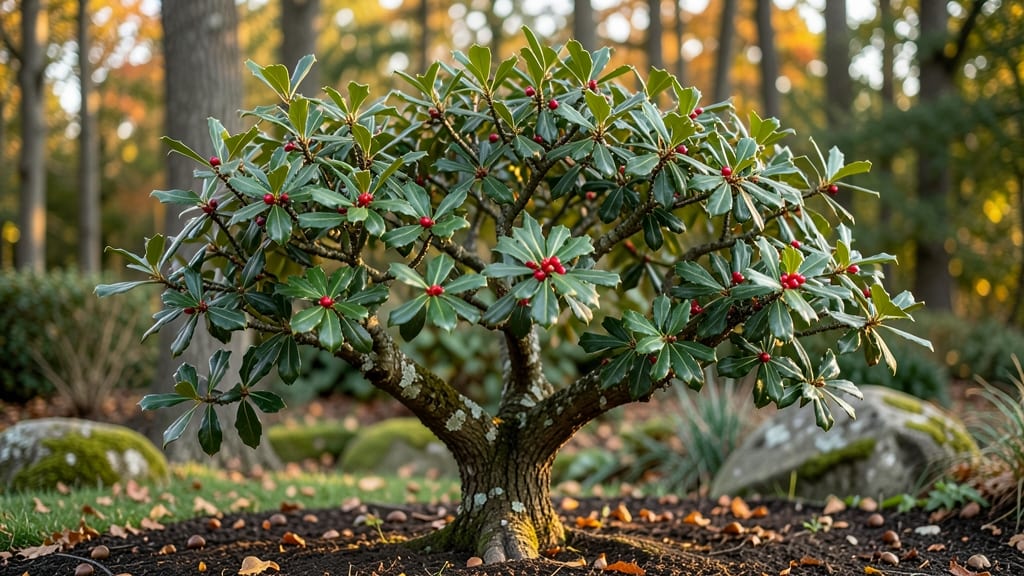
A holly tree can grow anywhere from 10 feet to towering 60 feet tall, depending on the variety and growing conditions 🌳 — and yes, that means some can easily outgrow your house!
If you’ve ever admired a holly tree’s glossy leaves and vibrant berries, you might wonder just how tall these stately plants can reach—especially if you’re planning one for your landscape.
The answer depends on the variety, growing conditions, and a little patience, but some holly trees can tower over your home!
For example, the American holly (Ilex opaca) often reaches 30 to 60 feet, while dwarf varieties like 'Sky Pencil' stay under 15 feet.
Whether you’re aiming for a privacy screen or a compact accent plant, choosing the right type is the first step to controlling its height.
In this guide, you’ll discover how to pick the perfect holly tree for your space, what factors influence its growth, and simple pruning tips to keep it at your desired size—no matter how fast it wants to reach for the sky.


Holly tree height by fastest-growing varieties: from compact to towering giants
If you’re dreaming of a holly tree that adds dramatic vertical interest to your landscape, you’ll love knowing that some varieties can grow taller than a two-story house.
While most holly trees are known for their slow-to-moderate growth, a few fast-growing cultivars can reach impressive heights—some even 60 feet or more—with the right conditions. The key lies in selecting the right species and providing optimal care to encourage that towering growth.
Holly trees come in a stunning range of heights, from compact shrubs under 10 feet to giant specimens that dwarf your home. For gardeners seeking maximum height, the fastest-growing varieties like ‘Burfordii’ or ‘Sky Pencil’ are excellent choices.
These cultivars not only grow quickly but also maintain their structural integrity, making them ideal for creating natural focal points or privacy screens. Let’s explore the tallest holly trees and how to maximize their growth potential.
Among the fastest-growing holly trees, ‘Sky Pencil’ holly stands out as a true giant, capable of reaching 60 feet tall under ideal conditions. This variety is a favorite for gardeners who want a tall, narrow silhouette with minimal pruning.
Its rapid growth rate of 3–4 feet per year means you’ll see dramatic height gains in just a few seasons. For a slightly more compact but still towering option, ‘Burfordii’ holly grows to 30–40 feet and thrives in both sun and partial shade.
If you’re working with limited space but still want a holly tree, ‘Dwarf Burford’ holly is a fantastic choice, maxing out at 15 feet tall while still offering lush foliage and berries.
This variety grows at a slower but steady pace, making it perfect for smaller yards or container gardens. Even in compact forms, holly trees can add year-round interest with their glossy leaves and vibrant berries.
To encourage the fastest growth in your holly tree, focus on providing well-draining soil and consistent moisture, especially during the first few years. Holly trees also benefit from regular fertilization in early spring, using a balanced 10-10-10 NPK fertilizer to promote vigorous growth.
Avoid overwatering, as soggy soil can stunt root development and slow height gains. With the right care, you can push your holly tree toward its maximum height potential.
Another factor to consider is your climate zone. Holly trees thrive in USDA zones 5–9, but their growth rates can vary based on local conditions. In warmer climates, holly trees may grow faster due to longer growing seasons, while cooler regions might see slower but steady growth.
If you’re in a colder zone, choose a hardy variety like ‘Blue Prince’ holly, which tolerates shade and cooler temperatures while still reaching 25–35 feet tall.
For gardeners who love the idea of a holly tree but need a manageable size, consider ‘Nellie R. Stevens’ holly, which grows to 20–30 feet and adapts well to urban environments. This variety is also disease-resistant, making it a low-maintenance choice for busy gardeners.
Whether you’re aiming for a towering giant or a compact shrub, there’s a holly tree variety that fits your space and vision.
When planting a holly tree for maximum height, choose a sunny or partially shaded location with 6+ hours of sunlight daily. Avoid planting near large trees that could compete for nutrients and water, as this can stunt growth.
Mulching around the base of the tree helps retain moisture and encourages deeper root development, which supports taller growth over time. With patience and the right conditions, your holly tree can become a stunning
Factors that determine how tall your holly tree will grow
Your holly tree’s final height isn’t just a matter of genetics—it’s a mix of soil conditions, sunlight exposure, and even your pruning habits. While some varieties naturally reach 60 feet, others stay compact at just 10 feet.
Understanding these factors helps you shape your holly’s growth to fit your landscape dreams.
First, soil quality plays a huge role. Holly trees thrive in well-draining, slightly acidic soil (pH 4.5–6.0). Compacted or nutrient-poor soil can stunt growth, leaving your tree struggling to reach its full potential. Amending with organic matter like compost can boost vertical growth by up to 30%.
Next, sunlight exposure directly impacts height. Most holly varieties need 4–6 hours of sunlight daily, but too much direct sun in hot climates can stress the tree, slowing growth. In cooler regions, full sun encourages taller, stronger stems. Always match your holly’s needs to your yard’s light conditions.
Your pruning techniques also control height. Pruning too aggressively can limit growth, while strategic trimming encourages upward expansion. For taller holly trees, focus on removing lower branches to promote a straight trunk. For compact varieties, prune new growth tips to keep them bushy.
⚠️ Common Mistakes That Stunt Holly Growth
Overwatering causes root rot, halting height gains. Holly trees prefer moderate moisture—water deeply but only when the top 2 inches of soil feel dry.
Ignoring climate zones can shock your tree. In USDA Zones 5–8, holly trees thrive, but colder zones may slow growth. Choose cold-hardy varieties like Ilex opaca for best results.
Poor pruning timing stresses the tree. Always prune in late winter or early spring before new growth begins.
Don’t forget climate zones. Holly trees grow fastest in temperate climates with mild winters. In hot, dry areas, growth may slow without extra care like mulching and regular watering. Even the hardiest varieties need the right conditions to reach their maximum height.
For fastest growth, combine ideal soil, sunlight, and minimal pruning. If you want a taller holly tree, focus on these three pillars: nutrient-rich soil, adequate sunlight, and strategic pruning. With patience, your holly can grow to be a stunning focal point in your yard!
🌳