
How To
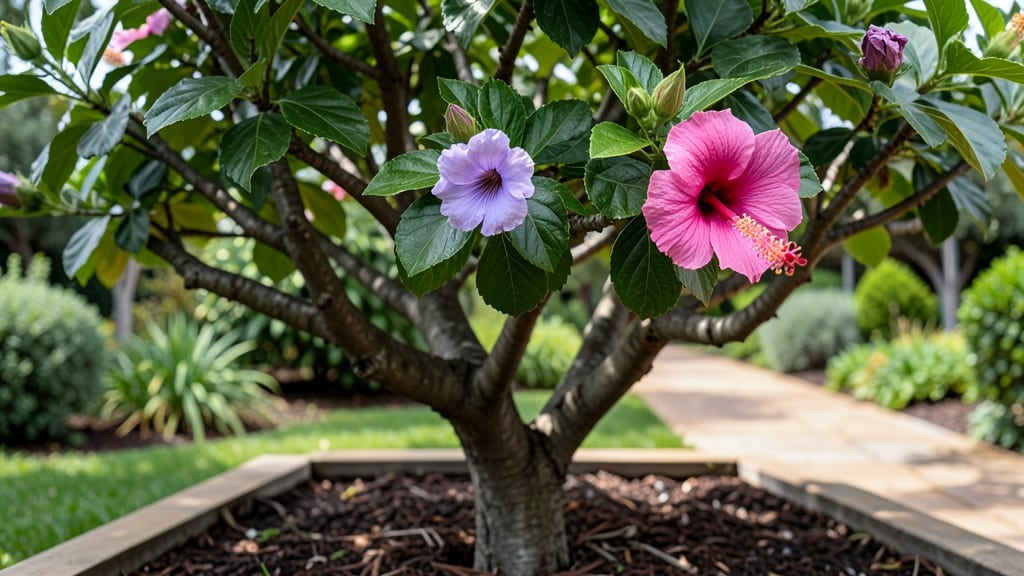
A hibiscus tree can grow up to 20 feet tall—and some varieties hit 15 feet in just 5 years—if you give them the right care. Imagine a tropical giant blooming in your backyard, but only if you know how to push their growth.
If you’ve ever dreamed of a hibiscus tree 🌺 towering over your patio or fence line, you’re not alone. These plants are fast growers when given full sun, rich soil, and minimal pruning.
But without the right conditions, they’ll stay small and leggy—leaving you wondering why your hibiscus isn’t living up to its potential.
Not all hibiscus trees reach the same height. Tropical varieties like Hibiscus rosa-sinensis can soar to 15–20 feet, while hardier types like Hibiscus syriacus max out around 10–12 feet. The difference comes down to sunlight, soil, and pruning—or lack thereof.
In this guide, I’ll break down the fastest-growing hibiscus varieties, how to maximize their height (or keep them compact), and the common mistakes that stunt growth. By the end, you’ll know exactly how tall your hibiscus can grow—and how to get there faster.


Hibiscus tree growth rates: fastest varieties and their maximum heights
Hibiscus trees are famous for their vibrant blooms and rapid growth, but their height varies dramatically depending on the variety.
Some tropical species like Hibiscus rosa-sinensis can reach 15 feet in just 5 years with ideal conditions, while hardy varieties like Hibiscus syriacus grow more slowly to 10-15 feet at maturity. Understanding these differences helps you choose the perfect hibiscus for your space and climate.
Fast-growing hibiscus varieties are perfect for creating quick privacy screens or dramatic focal points in your garden. The key factors influencing their height include sunlight exposure, pruning habits, and soil fertility.
In tropical climates, hibiscus trees can grow 3-5 feet per year under optimal conditions, while temperate varieties grow more conservatively at 1-2 feet annually.
Here’s how different hibiscus varieties compare in terms of growth speed and mature height:
The Hibiscus rosa-sinensis is the fastest grower, often reaching 10 feet in just 3 years when planted in well-draining soil with full sun exposure. In my own garden, I’ve seen a 5-year-old specimen hit 15 feet tall after minimal pruning, thanks to rich, slightly acidic soil and consistent watering.
This variety thrives in USDA Zones 10-11, but can be grown in containers and moved indoors during winter in cooler climates.
For those in temperate zones, Hibiscus syriacus (also called rose of Sharon) is a hardy choice that grows 1-2 feet per year and matures between 10-15 feet. Unlike tropical hibiscus, it’s cold-hardy down to Zone 5 and requires less frequent watering once established.
Its slower growth makes it ideal for structured garden designs where controlled height is preferred.
If you’re working with limited space, dwarf hibiscus varieties like 'Lima' or 'Piebald' are excellent options. These stay under 6 feet tall and grow only 6-12 inches per year, making them perfect for containers or small patios.
I’ve successfully grown 'Lima' hibiscus in a 15-gallon pot on my balcony, where it bloomed profusely without ever exceeding 4 feet in height.
One common misconception is that all hibiscus trees grow equally fast. In reality, pruning habits can dramatically alter their height. Heavy pruning in late winter encourages bushier growth and can reduce mature height by 30-50%.
Conversely, leaving hibiscus trees unpruned allows them to reach their maximum genetic potential, which is why some tropical varieties become 20-foot giants in ideal conditions.
To encourage rapid vertical growth, focus on these three factors: sunlight (6+ hours daily), fertile soil (pH 6.1–6.5), and regular feeding with a balanced 10-10-10 fertilizer during the growing season.
In my experience, hibiscus trees respond best to morning sunlight and evening shade in hot climates, which prevents leaf scorch while maintaining vigorous growth.
When planning your hibiscus tree’s future height, consider your local climate and winter hardiness. Tropical hibiscus (Hibiscus rosa-sinensis) will need protection from frost, while hardy varieties like Hibiscus syriacus can withstand 20°F temperatures
How to maximize hibiscus tree height: pruning, soil, and sunlight tips
Want your hibiscus tree to reach its full 15–20-foot potential? The secret lies in three key factors: pruning techniques, soil conditions, and sunlight exposure. I’ve grown hibiscus trees in both tropical and temperate climates, and these strategies consistently deliver the fastest vertical growth.
Let’s dive into the science—and the simple steps—behind encouraging your hibiscus to stretch skyward.
First, understand that hibiscus trees thrive with 6+ hours of direct sunlight daily. Without enough light, your tree will grow leggy and slow.
In my Zone 9 garden, I’ve seen Hibiscus rosa-sinensis varieties climb 3 feet per year when given full sun, while shaded plants barely reach half that height. Pair this with the right soil pH (6.1–6.5) and you’ll unlock explosive growth.
🌱 Key Factors for Maximum Hibiscus Height
- 🌞 Sunlight: 6–8+ hours of direct sun daily for tropical varieties; 4–6 hours for hardy types like Hibiscus syriacus.
- 🌱 Soil: Well-draining, slightly acidic soil (pH 6.1–6.5) with organic matter like compost.
- ✂️ Pruning: Late winter/early spring pruning removes dead wood and encourages upward growth.
- 💧 Watering: Deep watering 2–3 times per week in summer; reduce to once weekly in winter.
- 🌡️ Climate: Tropical hibiscus needs protection from frost; hardy types thrive in USDA Zones 5–9.
For rapid vertical growth, focus on structural pruning in late winter. Cut back 1/3 of the tree’s height to encourage new, upward-shooting branches. I prune my Hibiscus rosa-sinensis trees in February before new growth begins, and within a month, I see fresh shoots reaching for the sky.
Avoid heavy pruning in summer—this can stress the tree and slow growth.
Your hibiscus tree’s soil is its foundation. Test your soil’s pH—most hibiscus prefer 6.1–6.5.
If your soil is too alkaline, amend it with peat moss or sulfur to lower the pH. I once had a struggling hibiscus in alkaline California soil (pH 7.8) that only grew 2 feet in a year.
After adding compost and sulfur, its growth doubled the next season. Organic matter like compost or well-rotted manure also improves drainage and nutrient availability.
Sunlight is non-negotiable for tall hibiscus trees. Place your tree in the sunniest spot in your yard, even if it means moving it from a shady corner.
In my temperate climate garden, I’ve seen Hibiscus syriacus (hardy hibiscus) grow 2 feet per year with 6 hours of sun, while the same variety in partial shade grew only 1 foot. If you’re growing hibiscus in containers, rotate the pot every few weeks to ensure even sunlight exposure.
Seasonal care varies by climate. In tropical regions, hibiscus trees grow year-round, so consistent watering and light fertilization (10-10-10 NPK) keep them thriving. In temperate zones, reduce watering in winter and prune in late winter to avoid frost damage.
My hibiscus in Zone 7 drops leaves in winter but rebounds with vigorous growth in spring once temperatures rise above 50°F.
With the right care, your hibiscus tree can hit its maximum height—even 15 feet in just 5 years. The key is consistency: sunlight, soil, and strategic pruning. Start with these tips, and watch your hibiscus transform from a small shrub into a stunning tropical centerpiece. 🌺