
Trees
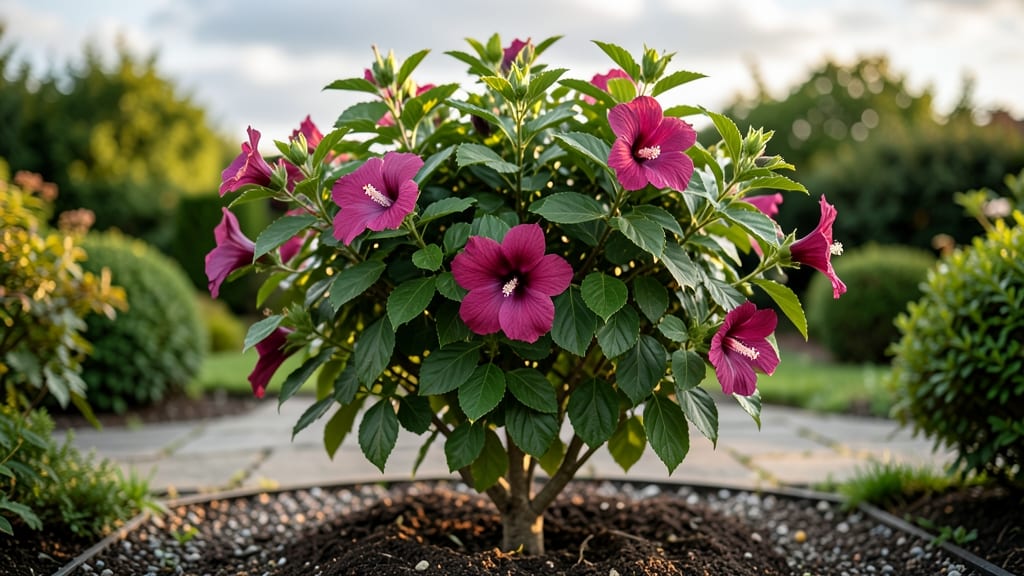
Rose of Sharon leaves tell the story of your tree’s health—and I’ve learned to read them like a gardener’s diary. 🌿 Yellowing edges, brown spots, or sudden wilting? These aren’t just cosmetic problems; they’re signals your tree needs a pruning reset, better airflow, or a drink.
The good news? Most issues fix themselves with the right cuts and care, and I’ll show you exactly how to diagnose them without losing your sanity.
Start by grabbing your pruners and a bucket of soapy water (for those pesky aphids). The key is timing: prune right after flowering for next year’s best blooms, but don’t wait until winter—frozen branches snap like twigs.
Focus on removing dead wood first, then thin out crowded branches to let sunlight hit every leaf. If powdery mildew is the villain, a baking soda spray (1 tsp per quart of water) works like magic—just don’t drown the roots.
📚 In This Guide
- What you need
- Instructions
- Tips and common mistakes
- Wrapping up and next steps
What you need
- ● Pruning shears: Sharp, bypass shears (for clean cuts on smaller branches). Size: 6–8 inches.
- ● Loppers: For thicker branches (½–1½ inches in diameter). Size: 18–24 inches with ratcheting or bypass blades.
- ● Pruning saw: Bow saw or pruning saw for branches over 1½ inches thick.
- ● Gloves: Heavy-duty, cut-resistant gloves (e.g., leather or synthetic mesh). Tip: Choose gardening gloves with grip for safety.
- ○ Disinfectant (optional but recommended): 70% isopropyl alcohol or rubbing alcohol to sterilize tools and prevent disease spread.
- ● Pruning sealant: Tree wound sealant (e.g., Tanglefoot Tree Wound Pruning Seal) for cuts larger than ½ inch.
- ● Ladder or step stool: Sturdy, extension ladder (for tall trees) or a foldable step stool (for shorter branches). Safety note: Use a stable, 3-point contact ladder.
- ● Trash bags or bucket: For collecting pruned leaves/branches. Size: 13-gallon or larger.
- ● Hand pruners: Compact shears for fine-tuning small branches (great for shaping).
- ● Pole saw: Extendable saw for high branches (saves ladder time!).
- ● Safety glasses: Protect your eyes from debris.
- ● Notebook & pen: To sketch pruning plans or mark branch removal zones.
- ● Hose or spray bottle: To clean tools mid-pruning and rinse sap off hands.
- ● Best time to prune: Late winter/early spring: Just before new growth (Feb–March in most climates).
- ● Light summer pruning: After flowering (June–July) to shape.
- ● Weather check: Prune on a dry, overcast day to reduce stress on the tree.
- ● Safety first: Wear closed-toe shoes and avoid loose clothing.
- ● Check for pests/diseases on leaves before pruning (e.g., aphids or powdery mildew).
How to prune Rose of Sharon for year-round lushness
Here's the simple system I use to keep my Rose of Sharon blooming like crazy all season.
✂️ Step 1: Prune in Late Winter for New Growth
Wait until after the last frost when new buds begin to swell—usually late February to early March in most climates. Grab your pruners and cut back about ⅓ of the plant's height, focusing on removing any dead, crossing, or weak branches. I always start with the oldest wood since Rose of Sharon naturally blooms on new growth.
Make clean cuts at a 45-degree angle just above an outward-facing bud. This encourages the plant to grow outward rather than inward. You'll see fresh, green stems emerging within weeks—this is your first sign the pruning worked. Never prune into old wood unless you want to sacrifice next year's blooms.
☀️ Step 2: Light Summer Pruning for Airflow
After the first flush of blooms, do a quick cleanup in mid-summer to remove any spent flowers and branches that look crowded. The goal is to improve airflow—Rose of Sharon hates humidity and can develop fungal issues if branches are too dense. Cut back just above a leaf node or bud, always making that same 45-degree angle.
Watch for any branches growing straight up or inward—they'll never get enough light. Trim these aggressively to encourage bushier growth. You'll notice new side shoots forming within 2-3 weeks of this pruning, signaling the plant is responding well. This step prevents the "lanky" look many Rose of Sharon trees develop.
✂️ Step 3: Minimal Fall Pruning to Prepare for Winter
In late fall, do just a light cleanup—remove any dead or diseased branches and trim back any overly vigorous growth by about 10-15%. The key here is to avoid heavy pruning, which stimulates new growth that won't harden off before winter. Focus only on removing anything that looks compromised or out of place.
I also like to give the plant a final shape adjustment at this time, making sure it's balanced and won't get weighed down by snow. You'll see the branches look cleaner and more structured, ready to handle winter dormancy. This light touch in fall prevents shock and keeps the plant healthy for next year's blooms.
🌱 Step 4: Spring Maintenance for Peak Blooms
As soon as you see new growth in early spring, do a final check for any remaining dead wood or weak branches. Remove any suckers growing from the base—these drain energy from your main plant. Trim back any branches that grew too long over winter by about ⅓ to encourage bushier growth.
This is also when I fertilize lightly with a balanced 10-10-10 mix to support the new growth. You'll see buds forming within 4-6 weeks if everything is timed right. The result? A Rose of Sharon that looks like it's in full bloom all season, not just for a few weeks.
Tips & tricks for perfect Rose of Sharon pruning
Mastering this seasonal pruning routine transforms your Rose of Sharon from a seasonal showstopper to a year-round beauty. Here's what I've learned after years of trial and error.
Timing is Everything: The late February to early March window for Step 1 is critical because it allows new buds to swell without risking frost damage. If you miss this window, wait until buds actually appear—never prune before buds swell, or you'll cut off potential blooms. I've learned this the hard way after accidentally pruning too early and losing my first flush of flowers.
The 45-Degree Angle Secret: That precise angle in every cut isn't just about aesthetics—it directs growth outward where sunlight reaches. When I first started, I made straight cuts and ended up with branches growing inward, creating dense shade that encouraged fungal issues. The angle creates a natural water runoff path too, keeping cuts healthier longer. Always make your cuts just above an outward-facing bud for maximum effectiveness.
Seasonal Adjustments: In Step 3's late fall pruning, that 10-15% trim is about balance, not drastic changes. I've seen gardeners get overzealous and prune too much, which stimulates tender new growth that won't survive winter. Think of it as giving your plant a haircut—not a shave. The goal is to clean up without shocking the system before dormancy. For winter protection, I also like to wrap younger plants in burlap if you're in a particularly cold climate.
Visual Growth Cues: The 2-3 week window mentioned in Step 2 is your best indicator of success. After summer pruning, watch for new side shoots forming—this tells you the plant is responding well. If you don't see new growth within 3 weeks, you may have pruned too aggressively. In spring, those buds forming within 4-6 weeks after fertilization confirm you've done everything right. These visual cues are more reliable than following a strict calendar.
Pro Tips for Rose Of Sharon Tree Leaves
- Mastering this seasonal pruning routine transforms your Rose of Sharon from a seasonal showstopper to a year-round beauty.
- Timing is Everything: The late February to early March window for Step 1 is critical because it allows new buds to swell without risking frost damage.
- The 45-Degree Angle Secret: That precise angle in every cut isn't just about aesthetics—it directs growth outward where sunlight reaches.
Frequently asked questions
Got questions about caring for your Rose of Sharon tree leaves? You’re not alone! Here are some of the most common queries—plus quick, actionable answers to keep your tree thriving year-round.
When is the best time to prune Rose of Sharon tree leaves for maximum growth?
The ideal time to prune is late winter or early spring, just before new growth begins (around February–March in most climates). This encourages robust flowering and dense foliage. Avoid heavy pruning in fall—it can stimulate tender new growth that won’t survive winter. Pro tip: Lightly shape leaves in summer if needed, but focus on major cuts in dormant season!
How do I know if I’m over-pruning my Rose of Sharon tree leaves?
Over-pruning shows up as stunted growth, sparse foliage, or weak stems. If more than 25–30% of the tree’s canopy is removed in one session, it may struggle to recover. Look for bare branches or excessive water sprouts—signs your tree is stressed. Fix it: Space pruning sessions 6–12 months apart and prioritize healthy branches over aggressive cuts.
Can I prune Rose of Sharon tree leaves in extreme heat or cold?
Nope! Prune when temps are mild (50–70°F). Heat stress weakens the tree, while cold can shock it into early dormancy. Winter pruning: Wait until after the last frost (check your USDA zone). Summer pruning: Do it on cool, cloudy days to avoid sunburn on fresh cuts. Quick hack: Use a sharp bypass pruner for cleaner cuts that heal faster!
What should I do if my Rose of Sharon tree leaves turn yellow or brown after pruning?
Yellowing leaves often mean overwatering, nutrient deficiency, or fungal stress from pruning wounds. Troubleshoot:
- Check soil moisture: Stick your finger 2 inches deep—water only if dry.
- Fertilize lightly: Use a balanced 10-10-10 fertilizer in spring.
- Prune properly: Seal large cuts (>½ inch) with pruning sealant to prevent disease.
Are there alternatives to pruning Rose of Sharon tree leaves for shaping?
Yes! If pruning feels overwhelming, try these low-maintenance alternatives:
- Topiary training: Use flexible wires to guide growth into shapes (great for hedges!).
- Selective thinning: Remove only dead or crossing branches to improve airflow.
- Natural shaping: Let the tree grow wild—Rose of Sharons thrive with minimal intervention!
Wrapping up and next steps
Mastering the art of pruning Rose of Sharon tree leaves ensures a stunning, healthy plant year-round! 🌿 Whether you’re trimming for shape, bloom boosts, or rejuvenation, consistency is key.
With the right tools, timing, and techniques, your tree will reward you with vibrant blooms and lush foliage for seasons to come.
Ready to give your Rose of Sharon the TLC it deserves? Start small—pick one pruning session this week and observe the difference! For extra guidance, revisit our FAQs or consult a local arborist to tailor your approach. Happy pruning! ✂️💚