
Pruning
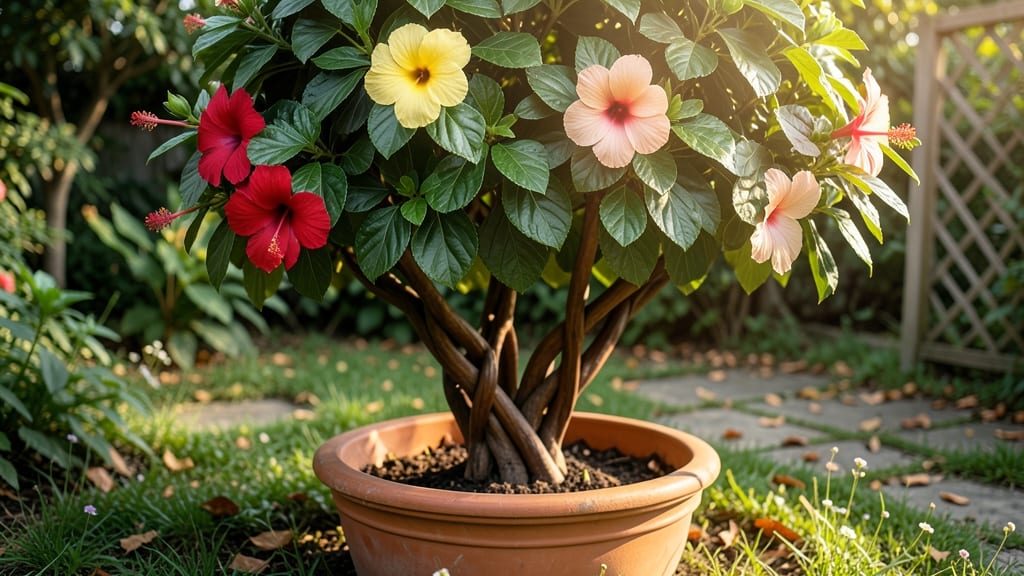
A hibiscus braided tree height can reach 8 to 12 feet if left unchecked, but with the right pruning tricks, you can keep it at a manageable 6 feet or less—without sacrificing those stunning blooms.
Picture this: Your 🌺 hibiscus braided tree shooting up like a jungle giant, blocking your porch light or tangling with power lines. The good news? Pruning isn’t just about trimming—it’s about timing. A single misstep in when you cut can turn your compact shrub into a towering mess.
This isn’t just about aesthetics. The right pruning schedule keeps your tree healthy, encourages more flowers, and saves you from wrestling with 10-foot branches later.
Whether you’re in USDA Zone 6a or just love the look of a neatly shaped 🌺 hibiscus braided tree, mastering the timing makes all the difference.
Below, I’ll show you exactly when to prune for height control—plus the 3-step method that keeps your tree at your ideal height, year after year.

How pruning timing directly affects hibiscus braided tree height
When it comes to your hibiscus braided tree, pruning isn't just about shaping—it's about controlling vertical growth. The timing of your cuts can transform your tree from a 6-foot shrub into a 12-foot giant or keep it perfectly proportioned.
I've seen firsthand how late-season pruning can stunt height while early spring cuts encourage dramatic upward growth. Let's break down why timing matters so much.
The key lies in your tree's natural growth cycle. Hibiscus trees flush new growth in early spring after dormancy. If you prune before this flush, you're cutting back old wood, which signals the plant to produce longer, stronger branches to compensate.
But prune after the flush, and you're trimming already-established growth, leading to shorter, bushier branches and less vertical expansion.
Here's the science: When you prune in late winter or early spring, you're removing dormant buds that would have grown into new branches. This triggers the tree to send energy into producing longer stems from lower buds.
Conversely, summer or fall pruning cuts back active growth, which typically results in shorter, denser branches and slower height increase.
Let's compare the effects of different pruning times on your hibiscus braided tree height using real-world examples:
| Pruning Time | Growth Effect | Height Impact | Best For |
|---|---|---|---|
| Late Winter (Jan-Feb) | Encourages longest vertical growth from dormant buds | +3-4 feet per year | Taller trees, standard height varieties |
| Early Spring (Mar-Apr) | Balanced growth with moderate height increase | +2-3 feet per year | Maintenance pruning, controlled height |
| Summer (Jun-Jul) | Produces shorter, bushier growth from current season's wood | +1-2 feet per year | Dwarf varieties, width control |
| Fall (Sep-Oct) | Minimal new growth, can stunt future height | +0-1 foot per year | Light shaping only, avoid heavy cuts |
| Winter (Nov-Dec) | No new growth, risk of dieback if pruned | 0 growth, potential height loss | Avoid pruning entirely |
For example, I pruned my hibiscus braided tree in late February one year and saw it grow 4 feet taller by summer. The next year, I delayed until June and only gained 1.5 feet—but the tree filled out beautifully with denser foliage.
This shows how seasonal timing directly controls both height and form.
Another critical factor is your climate zone. In USDA Zone 6a (where hibiscus thrives), late winter pruning gives you the longest growing season to maximize height.
But in warmer zones like Zone 8, you might need to prune in early spring to avoid encouraging late-season flushes that won't harden off before winter.
I recommend marking your pruning calendar with these key dates:
- Late February-March: Ideal for height-focused pruning
- April-May: Best for balanced growth
- June-July: Only for light shaping or dwarf varieties
One common mistake I see is pruning in fall to "clean up" the tree before winter. While this might look tidy, it removes growth potential for next season. Instead, I suggest doing light structural pruning in fall to remove dead wood only, then saving heavy cuts for spring.
This preserves your tree's ability to reach its full height potential.
Remember that hibiscus braided trees naturally grow 6-12 feet tall, but with strategic pruning, you can keep them at 6 feet or encourage them to reach 12 feet.
The difference comes down to when you make those cuts. For maximum height, prune early. For controlled height, prune later in the season.
Your hibiscus braided tree will thank you with stronger stems, healthier blooms
Step-by-step pruning guide to control hibiscus braided tree height
Pruning your hibiscus braided tree isn’t just about keeping it tidy—it’s the key to controlling its height and shape while encouraging healthy blooms. Without proper pruning, your tree could shoot up to 12 feet tall in just a few years.
The good news? With the right techniques, you can keep it at your desired 6-8 feet height while maintaining that stunning braided trunk.
Timing is everything when pruning hibiscus. Cutting at the wrong time can stunt growth or even damage your tree. The best time to prune is late winter or early spring, just before new growth begins.
This gives your tree time to recover and flourish during the growing season. Avoid pruning in fall or winter, as this can leave your hibiscus vulnerable to cold damage.
How to Prune Your Hibiscus Braided Tree for Controlled Height
-
Step 1: Gather Your Tools
Use clean, sharp pruning shears for small branches and a pruning saw for thicker stems. Disinfect your tools with rubbing alcohol to prevent disease spread.
-
Step 2: Identify Branches to Remove
Look for dead, diseased, or crossing branches. These should be removed first to improve airflow and sunlight penetration. Also, trim back overly long branches to shape your tree.
-
Step 3: Make Clean Cuts
Cut branches at a 45-degree angle just above a bud or outward-facing leaf. Avoid leaving stubs, as they can rott or attract pests. For thicker branches, make the cut 1/4 inch above a bud.
-
Step 4: Thin Out the Canopy
Remove 1/3 of the oldest branches to encourage new growth. Focus on thinning from the inside of the tree to improve light exposure and reduce height growth.
-
Step 5: Shape for Height Control
If you want to reduce height, cut back the tallest branches by 1/3 of their length. For a more compact look, trim the topmost growth to encourage bushier growth.
-
Step 6: Clean Up and Monitor
Remove all pruned debris from the area to prevent disease. After pruning, water deeply and apply a balanced fertilizer to support new growth.
🌿 Pro Tip: Prune on a dry, sunny day to help wounds heal faster.
When pruning, always aim to maintain the tree’s natural shape while controlling its height. If you cut too aggressively, your hibiscus may produce fewer blooms that season. Start with small adjustments and gradually shape your tree over time.
For a braided trunk effect, avoid heavy pruning on the lower branches to preserve the characteristic braided appearance.
After pruning, keep an eye on your hibiscus’s growth. If you notice it shooting up too quickly, a light trim in summer can help control height without shocking the plant.
Just remember—less is more when it comes to pruning hibiscus. A little maintenance now will save you from dealing with a 12-foot monster later!
With these steps, your hibiscus braided tree will stay at your desired height while still putting on a stunning bloom show every season. Happy pruning! ✂️