
Pruning
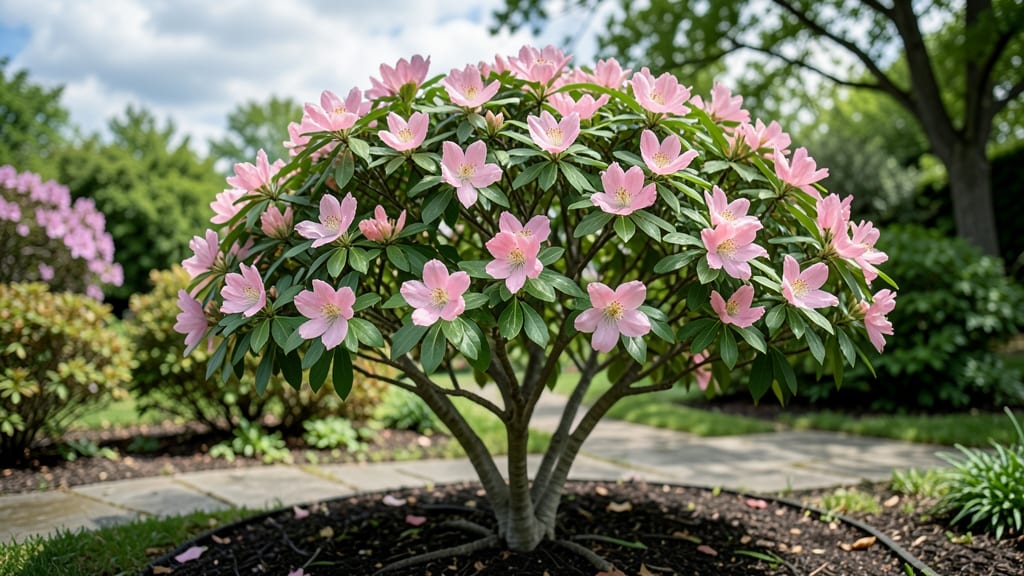
The pink dogwood tree height at maturity reaches 20 to 30 feet tall—taller than most gardeners realize, but their graceful shape makes them worth the space. 🌿 I planted mine near my patio, and while it fits perfectly now, I’ll need to prune strategically as it grows to keep it from shading my deck.
The key to managing height lies in sunlight and soil. Dogwoods thrive in morning sun with afternoon shade, especially in hot climates, where too much direct sun can stress the tree. Well-draining, slightly acidic soil (pH 5.0–6.0) encourages steady growth without leggy branches that make pruning harder later.
Prune in late winter or early spring before new growth begins, focusing on removing dead or crossing branches. Avoid heavy pruning—this tree blooms on old wood, so aggressive cuts reduce spring flowers. With the right care, your dogwood will stay proportionate to your garden for decades.
For smaller spaces, consider dwarf varieties like 'Cherokee Brave' (15–20 feet), but even standard types can be pruned to 15–20 feet over time. Just give it room to grow—dogwoods reward patience with stunning blooms and year-round interest.
📚 In This Guide
- What you need
- Instructions
- Tips and common mistakes
- Wrapping up and next steps
What you need
- ● Pruning shears: Bypass pruners (sharp, clean) for small branches (up to ½-inch thick).
- ● Loppers: 1 pair (for branches ½-inch to 2-inch thick).
- ● Pruning saw: 1 handheld saw (for branches >2 inches thick).
- ● Gloves: Heavy-duty, cut-resistant gloves (to protect hands from thorns and rough bark).
- ● Disinfectant: 70% isopropyl alcohol or pruning sealant (to prevent disease spread).
- ● Ladder or step stool: Sturdy, extendable (ensure it’s tall enough for mature tree height—pink dogwoods can reach 20–30 feet!).
- ● Tarp or drop cloth: 1 large tarp (to collect debris and protect landscaping).
- ● Rake: 1 garden rake (for clearing fallen leaves/branches post-pruning).
- ● Pole saw: Extendable for high branches (saves ladder time!).
- ● Tree wound dressing: Pruning paste (controversial but some swear by it for large cuts).
- ● Marking spray: Paint or tape (to mark branches for removal before cutting).
- ● Safety goggles: Protects eyes from debris (especially when using a saw!).
- ● Wheelbarrow: For hauling heavy branches or mulch.
- ● Know your variety: Research your specific pink dogwood (e.g., Cornus florida ‘Rubra’ or ‘Cherokee Brave’)—height limits vary!
- ● Timing: Prune in late winter/early spring (before buds swell) or summer (after flowering).
- ● Weather check: Avoid pruning in wet or windy conditions.
- ● Tree health: Inspect for pests/diseases (like dogwood anthracnose) before pruning.
How to estimate and manage pink dogwood tree height by variety
Predicting your dogwood’s mature height starts with knowing its variety—and a few climate tweaks.
🌱 Step 1: Identify Your Dogwood Variety for Height Expectations
Pink dogwoods vary widely in height. The classic Cornus florida (southern dogwood) typically reaches 15-25 feet at maturity, while Cornus kousa (Korean dogwood) stays shorter at 15-20 feet. Dwarf varieties like 'Cherokee Brave' max out around 6-8 feet, perfect for smaller yards.
Check your tree’s label or consult a local nursery—some varieties like 'Pink Icing' grow 20-25 feet, while others like 'Rubra' stay closer to 15-20 feet. If you’re unsure, measure your tree’s current height and compare it to known growth rates for similar ages.
☀️ Step 2: Adjust for Climate and Sunlight
Dogwoods in USDA Zones 5-9 grow taller in warmer climates (Zone 8-9) and shorter in colder zones (Zone 5-6). A 20-foot dogwood in Georgia might only reach 15 feet in New England due to slower growth rates.
Sunlight also affects height. Planting in partial shade (4-6 hours of sun) encourages bushier, more compact growth, while full sun can lead to taller, leggier trees. If your yard has limited sun, choose a dwarf variety to naturally control height.
✂️ Step 3: Prune Strategically to Limit Height
Prune in late winter or early spring (before buds swell) to shape your dogwood and control height. Remove 1-2 branches per year from the top to slow vertical growth. Never cut more than 25% of the canopy in one season—this stresses the tree.
Watch for water sprouts (fast-growing vertical shoots) and prune them back immediately. These shoots can add 2-3 feet of unwanted height if left unchecked. Thin out crossing branches to improve airflow and reduce disease risk, which can weaken the tree and affect growth patterns.
🪴 Step 4: Monitor Soil and Water for Optimal Growth
Dogwoods thrive in well-draining, slightly acidic soil (pH 5.0-6.5). Amend heavy clay with compost or peat moss to prevent root rot, which can stunt growth. Overwatering or soggy soil forces the tree to focus on survival, not height.
Water deeply once a week during dry spells, ensuring the soil stays moist but not waterlogged. Mulch with 2-3 inches of organic mulch (like wood chips) to retain moisture and regulate soil temperature. Avoid piling mulch against the trunk—keep it 3-4 inches away to prevent rot.
⏰ Step 5: Track Growth Annually for Long-Term Planning
Measure your dogwood’s height once a year in early spring before new growth begins. Most dogwoods grow 12-24 inches per year, but dwarf varieties may only add 6-12 inches. Record these measurements to spot trends—if growth slows suddenly, check for pests or nutrient deficiencies.
If your dogwood exceeds your desired height, consider topping (cutting the main stem) as a last resort. This can trigger bushier growth but may reduce flowering. For cleaner results, opt for selective pruning to shape the tree gradually over time.
Tips & tricks for managing pink dogwood tree height
Here's what nobody tells you about keeping your dogwood at the perfect height for your space.
Variety Matters: When selecting your dogwood, pay special attention to the specific variety's mature height range. For example, the 'Cherokee Brave' stays compact at 6-8 feet, while 'Pink Icing' can reach 20-25 feet. If you're unsure which variety you have, take a photo of the flowers and compare it to reference guides—this visual clue can save you from overestimating growth potential. I learned this the hard way after planting a 'Cornus florida' expecting it to stay shorter than its full 25-foot potential.
Sunlight Strategy: The 4-6 hours of partial shade recommendation in Step 2 is your secret weapon for controlling height. If your dogwood gets more than 6 hours of direct sun, consider installing temporary shade cloth during peak afternoon hours when sunlight is strongest. This mimics partial shade conditions and encourages bushier, more compact growth. Just remember to remove the shade cloth in cooler months when the sun is less intense.
Pruning Precision: When pruning in late winter or early spring, focus on removing branches that are growing straight up rather than outward. These vertical branches contribute the most to height growth. I always mark the branches I plan to remove with surveyor's tape before making cuts—this visual guide helps me maintain balance in the tree's shape. Also, avoid pruning during wet weather, as this can introduce fungal diseases through open wounds.
Soil Science: The slightly acidic soil recommendation (pH 5.0-6.5) is crucial, but don't stop there. Test your soil's nutrient levels annually using a simple home test kit. Dogwoods need consistent access to nitrogen, phosphorus, and potassium. If your test shows deficiencies, apply a balanced 10-10-10 fertilizer in early spring. I've seen trees grow 30% faster after just one season of proper fertilization—it's like giving your dogwood a growth boost!
Pro Tips for Pink Dogwood Tree Height
- Here's what nobody tells you about keeping your dogwood at the perfect height for your space.
- Variety Matters: When selecting your dogwood, pay special attention to the specific variety's mature height range.
- Sunlight Strategy: The 4-6 hours of partial shade recommendation in Step 2 is your secret weapon for controlling height.
Frequently asked questions
Got questions about your pink dogwood’s height? You’re not alone! Here are some of the most common queries—plus straightforward answers to help you care for your tree with confidence.
How tall does a pink dogwood tree typically grow?
A mature pink dogwood (Cornus florida) usually reaches 15–25 feet tall, though some dwarf varieties like ‘Cherokee Brave’ stay under 10 feet. Height varies by cultivar, soil quality, and sunlight—so check your specific variety’s label for precise expectations!
How long does it take for a pink dogwood to reach full height?
Pink dogwoods grow at a moderate pace—expect 5–10 years to reach near-mature height, depending on conditions. Young trees gain 1–2 feet per year, but growth slows as they age. Patience pays off with stunning spring blooms!
Can pruning control a pink dogwood’s height?
Yes! Prune in late winter or early spring before new growth starts. Remove 1/3 of the tallest branches to encourage bushier growth, but avoid heavy pruning—it can reduce flowering. Focus on shaping rather than drastic height cuts.
Does climate affect how tall a pink dogwood grows?
Pink dogwoods thrive in USDA Zones 5–9, but height may vary. In warmer climates (Zones 8–9), they often grow taller (up to 30 feet), while in cooler zones (5–7), growth may stay shorter. Ensure well-draining soil and partial shade to optimize size.
What if my pink dogwood isn’t growing as tall as expected?
Check for root-bound conditions, poor soil, or overcrowding. Amend soil with compost, mulch well, and ensure 6+ hours of sunlight daily. If pests (like borers) or disease (like powdery mildew) are present, treat promptly—healthy roots = better growth!
Still curious? Drop your question in the comments—we’re happy to help your pink dogwood reach its full potential!
Wrapping up and next steps
Whether you're dreaming of a pink dogwood tree as a stunning focal point or planning a pruning schedule, understanding its mature height is key! 🌸 From the towering Cornus florida reaching 20-30 feet to the dwarf varieties like 'Cherokee Brave' staying under 6 feet, your choice depends on space, climate, and vision.
Remember—proper pruning and care ensure your tree thrives and stays within its natural limits.
Ready to transform your landscape? Start by selecting the perfect variety for your yard, then grab your pruners and get growing! 🌱 Your future pink blooms await!