
Light Requirements
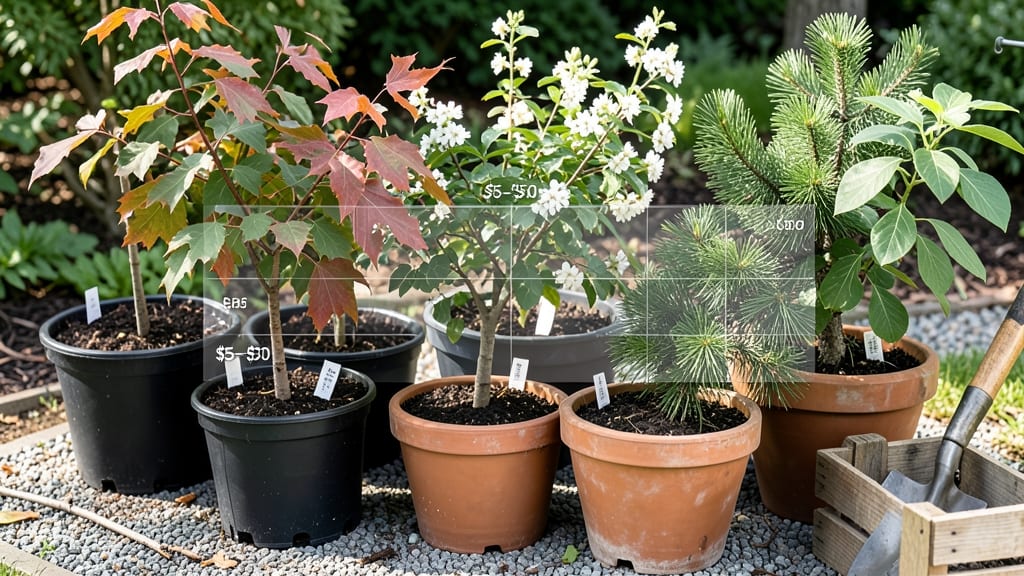
Tree saplings typically range from $5 to $50, with prices varying by species—fast-growing varieties like willows or poplars averaging $5–$15, while rare or ornamental trees (e.g., Japanese maples) can cost $30–$100+. Local nurseries and bulk purchases often provide the best value compared to online retailers.
Pricing depends heavily on the tree's growth rate, size, and demand. 🌱 For instance, fruit trees like apple or cherry saplings often fall in the mid-range ($15–$30), while native species from local conservation programs can be significantly cheaper.
The time of year also affects costs—spring and fall plantings may offer discounts, while holiday seasons see premium pricing for ornamental varieties. If you're planting multiple trees, check for seasonal sales or wholesale options at local tree farms.
Another key factor is whether you buy bare-root or potted saplings. Bare-root trees (without soil) are usually cheaper and easier to transport, while potted saplings cost more but have higher survival rates.
I always recommend starting with 3–5 saplings of the same species to take advantage of bulk discounts, which can cut costs by 10–20%. For rare species, consider joining local gardening clubs—they often share saplings or cuttings at minimal cost.
💡 In This Article
- Factors That Influence Tree Sapling Pricing
- Best Places to Buy Affordable Tree Saplings
Factors that influence tree sapling pricing
The species you choose is the single biggest factor in pricing.
Fast-growing trees like willows or poplars cost $5–$15 because they're easy to propagate and widely available, while rare varieties such as Japanese maples or heritage fruit trees (like $25–$50 for a Liberty apple sapling) require specialized growing conditions and labor.
The rootstock quality also matters—certified disease-free saplings cost more than untreated ones, often adding $5–$15 to the base price.
Sapling size and packaging play a huge role too. Bare-root saplings (just roots and trunk) are the most affordable at $5–$20, while potted saplings with soil cost $15–$50 because they're easier to transport and have higher survival rates.
The height also affects pricing—1–2 foot saplings are standard, but 3–4 foot trees (like those sold at garden centers) can double the cost. Seasonal trends matter too: spring and fall plantings often include discounts, while holiday-season ornamental trees (like flowering cherries) can spike to $40–$80.
Location impacts prices significantly. Urban nurseries charge 20–30% more than rural tree farms due to higher overhead costs, while wholesale suppliers offer bulk discounts of 10–20% for orders of 10+ saplings.
Regional climate also plays a part—native species (like oak or hickory) are cheaper in their natural range because they're easier to source locally. For example, a white oak sapling might cost $10 in the Midwest but $30 in California where it's less common.
Another hidden cost factor is the sapling's health certification. Trees certified as disease-free or pest-resistant cost more because they undergo rigorous testing. For instance, a dwarf peach tree might cost $15 as a standard sapling but $30 if certified for peach leaf curl resistance.
The container type also adds to the price—plastic pots cost more than biodegradable ones, and premium grow bags can increase the total by $3–$8.
Consider these practical cost comparisons:
- Fast-growing trees: Willow ($5–$10), Poplar ($6–$12), Silver Maple ($8–$15)
- Fruit trees: Apple ($15–$30), Pear ($12–$25), Cherry ($20–$40)
- Ornamental trees: Japanese Maple ($30–$60), Crape Myrtle ($15–$25), Dogwood ($20–$45)
If you're on a budget, prioritize bare-root saplings from local conservation programs or tree farms—they often sell native species for $5–$15 with guaranteed quality. 🌿