
Pruning
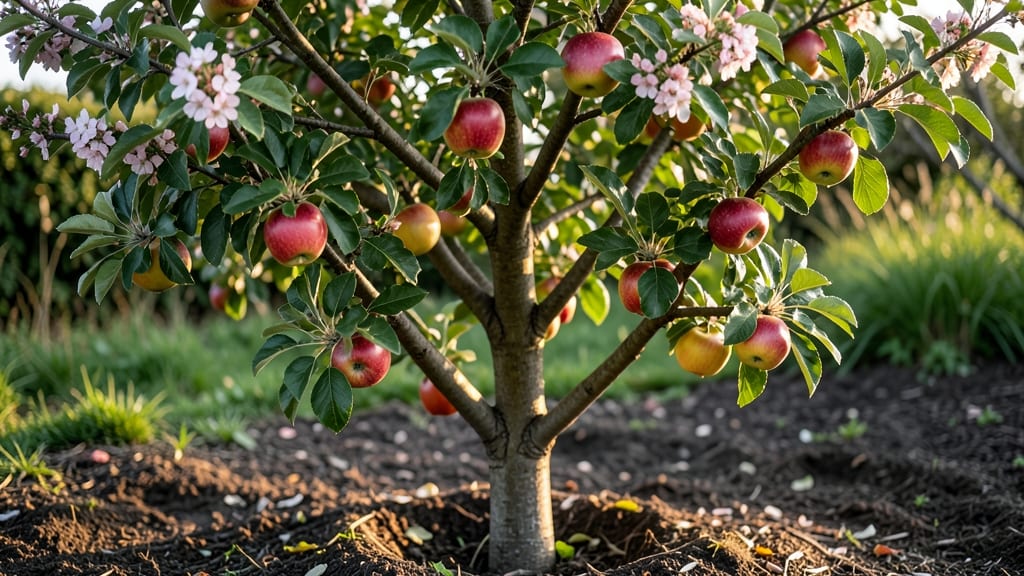
My Honeycrisp apple tree produces fruit so sweet and crisp it’s worth every minute of care—especially when you prune right. 🌳 The secret to those legendary apples? Year-round pruning that opens the canopy to sunlight and air, preventing disease while maximizing fruit size.
I learned the hard way that winter pruning alone isn’t enough. Summer thinning and light shaping keep branches from overcrowding, which means fewer small apples and more 2-inch beauties that burst with juice. Start with clean cuts in late winter, then refine through the growing season.
By summer’s end, you’ll have a tree that looks like a well-behaved giant instead of a tangled mess. The payoff? A harvest that makes your neighbors question how you do it—and a tree that lives for decades with proper care. This works for both new plantings and established trees.
Let’s get those pruners sharp and those branches in shape!
📚 In This Guide
- What you need
- Instructions
- Tips and common mistakes
- Wrapping up and next steps
What you need
- ● Honeycrisp apple tree (bare-root or potted, Malus domestica ‘Honeycrisp’—choose disease-resistant rootstock like M.9 for dwarfs or MM.106 for standards).
- ○ Well-draining soil (pH 6.0–6.5). Test your soil with a soil pH test kit (optional but recommended).
- ● Compost or organic matter (5–10 gallons) for amending soil before planting.
- ● Balanced fertilizer (e.g., 10-10-10 or organic options like fish emulsion) for spring/summer feeding.
- ● Mulch (3–4 inches of wood chips or straw) to retain moisture and suppress weeds.
- ● Pruning shears (bypass type, sharp, and sanitized with rubbing alcohol).
- ● Loppers (for thicker branches, 1.5–2 inches in diameter).
- ● Pruning saw (for branches >2 inches thick).
- ● Gloves (gardening gloves to protect hands from thorns and sap).
- ● Tree ties or soft pruning tape (for securing branches post-pruning).
- ● Spray bottle with water (to clean tools between cuts).
- ● Fungicide (copper-based or neem oil spray) to prevent apple scab or powdery mildew.
- ● Pollination partner (another Honeycrisp tree or compatible variety like ‘Zestar!’ or ‘Fuji’ within 50–100 feet).
- ● Drip irrigation system (for consistent watering, especially in dry climates).
- ● Bird netting (to protect fruit from pests like birds or deer).
- ● Tree support stakes (for young trees in windy areas).
Step-by-step guide to year-round Honeycrisp apple tree pruning
Here's how to keep your Honeycrisp tree thriving with seasonal pruning that boosts fruit production and tree health.
✂️ Step 1: Winter Pruning (Late Dormancy)
Timing is everything—prune your Honeycrisp tree in late winter, just before buds begin to swell, usually around February or March. This is when the tree is dormant but about to wake up, making it the perfect time to shape the structure and remove dead or crossing branches. Use sharp, clean pruning shears to make cuts just outside the branch collar—the swollen area where the branch meets the trunk.
Focus on removing branches that are dead, diseased, or rubbing against others. These weak spots drain energy from your tree and invite pests. You'll know you're pruning correctly when you see an opening of at least 6-8 inches between branches—this allows sunlight and air to circulate, preventing fungal issues. I like to step back after each cut and visualize how the tree will look when fully leafed out.
☀️ Step 2: Summer Pruning (Post-Harvest)
After your Honeycrisp apples are harvested, usually in late summer or early fall, it's time for another round of pruning. This isn't about shaping—it's about maintenance. Remove any suckers (shoots growing from the base or roots) and water sprouts (fast-growing vertical shoots). These compete with your fruit-bearing branches for nutrients and weaken the tree.
Look for branches that are growing inward or crossing—these will eventually rub against each other, creating wounds that invite disease. Thin out about 20-30% of the canopy to improve airflow and sunlight penetration. You'll notice the tree's structure becomes more open, which means better fruit development next season. Avoid heavy pruning now—just focus on cleaning up and encouraging a balanced shape.
🌱 Step 3: Spring Pruning (Early Season)
In early spring, just as the buds begin to swell but before they burst into leaves, do a quick check for any damaged or broken branches from winter storms. Remove these immediately to prevent disease from spreading. This is also the time to thin out any overcrowded branches—aim for a spacing of at least 12 inches between them.
Pay special attention to the central leader (the main upward-growing branch). If it's weak or damaged, select a strong lateral branch to train as the new leader. You'll see new growth emerging from the buds, so prune just above a bud that's facing outward—this encourages the branch to grow away from the center, creating a more open canopy. This step sets the stage for a productive summer.
⏰ Step 4: Ongoing Maintenance (Year-Round)
Pruning isn't just seasonal—it's an ongoing process. Throughout the year, keep an eye out for suckers, dead wood, or branches that are growing in the wrong direction. Use a small pair of pruning shears to snip these off as soon as you notice them. This prevents them from draining energy from your tree and keeps the structure tidy.
Real talk: Don't overdo it. Honeycrisp trees are vigorous, and they can handle pruning, but too much at once stresses the tree. If you're unsure, err on the side of caution and remove less rather than more. You'll know you're doing it right when your tree has a balanced, open canopy with plenty of sunlight reaching the center—this is where the best fruit develops.
Tips & tricks for perfect Honeycrisp apple tree pruning
These seasonal strategies will help you maintain a healthy, fruit-bearing Honeycrisp tree all year long.
Timing is Everything: For winter pruning in late February or March, check your local frost dates—pruning too early can expose fresh cuts to cold damage, while waiting too long risks waking up pests. I always verify bud swell by gently pressing a few buds; if they're firm but beginning to plump, it's time to prune. This precise timing prevents stressing the tree during its vulnerable transition from dormancy.
Tool Technique: Never use dull pruning shears—they crush branches instead of making clean cuts. I keep a small file in my toolkit to sharpen blades between uses, and always disinfect tools with rubbing alcohol after each cut to prevent disease spread. For larger branches over 2 inches thick, use a pruning saw with a curved blade to avoid tearing the bark. Remember, clean cuts heal faster and look more professional.
Canopy Vision: Step back frequently during pruning to visualize the tree's structure. Aim for an open center with branches spaced at least 6-8 inches apart—this sunlight access is crucial for Honeycrisp apples to develop their signature sweet-tart flavor. I like to sketch a rough diagram before starting, marking where each cut will go. This prevents over-pruning and ensures you maintain that balanced, open canopy we're working toward.
Seasonal Focus: Summer pruning should be minimal—just remove those pesky suckers and water sprouts. These fast-growing shoots might look vigorous, but they're actually stealing nutrients from your fruit production. In early spring, focus on storm damage repair rather than shaping. The key is to work with the tree's natural growth patterns rather than forcing changes that could stress it during critical growing periods.
Pro Tips for Honeycrisp Apple Tree Care
- These seasonal strategies will help you maintain a healthy, fruit-bearing Honeycrisp tree all year long.
- Timing is Everything: For winter pruning in late February or March, check your local frost dates—pruning too early can expose fresh cuts to cold damage, while waiting too long risks waking up pests.
- Tool Technique: Never use dull pruning shears—they crush branches instead of making clean cuts.
Frequently asked questions
Got questions about keeping your Honeycrisp apple tree thriving?
Here are answers to the most common ones—because even expert gardeners need a little guidance!
How often should I prune a Honeycrisp apple tree?
Prune your Honeycrisp apple tree twice a year: once in late winter (before buds swell) to shape the tree and remove dead wood, and again in early summer (after harvest) to encourage new growth. Young trees (under 3 years) may need lighter pruning—focus on opening the canopy for sunlight and air circulation.
When is the best time to plant a Honeycrisp apple tree?
Plant your Honeycrisp apple tree in early spring or fall, when soil temps are mild (50–70°F). Avoid extreme heat or frost—roots need time to establish before winter. If planting in fall, do it at least 6 weeks before frost to ensure strong root growth before dormancy.
Why aren’t my Honeycrisp apples growing big and juicy?
Small or sparse fruit often means poor pollination, overcrowding, or nutrient deficiency. Ensure your tree has a pollinator variety (like ‘Zestar!’ or ‘GoldRush’) within 50 feet. Thin fruit early (leave 6–8 inches between apples) to avoid overburdening branches. Also, check for even watering and balanced fertilizer (high in potassium and phosphorus).
Can I prune a Honeycrisp apple tree in summer?
Yes! Summer pruning (June–July) is key for Honeycrisp trees—it removes water sprouts (fast-growing vertical shoots) and encourages fruit-bearing branches. Just avoid heavy pruning during peak heat (90°F+). Light trimming after harvest helps redirect energy to next year’s blossoms.
What pests or diseases should I watch for in Honeycrisp apple trees?
Honeycrisp trees are susceptible to codling moths, apple scab, and fire blight. Prevent pests with row covers early in season or organic sprays (neem oil). For diseases, prune infected branches immediately (sterilize tools with rubbing alcohol) and avoid overhead watering. Monitor for yellowing leaves or oozing cankers—signs of trouble!
Do Honeycrisp apple trees need a specific type of soil?
Honeycrisp trees thrive in well-draining, slightly acidic soil (pH 6.0–6.5). Amend heavy clay with compost or sand, and ensure good drainage to prevent root rot. They tolerate a range of soils but struggle in waterlogged or alkaline conditions. A 2–3 inch layer of mulch (wood chips, straw) helps retain moisture and regulate soil temp.
Wrapping up and next steps
Caring for your Honeycrisp apple tree is a rewarding journey that yields sweet, juicy fruit with the right pruning and attention year-round. By following seasonal best practices—from late-winter shaping to summer thinning—you’ll ensure a healthier tree and a bountiful harvest. 🌳✨
Ready to dive in? Start by gathering your tools and scheduling your first pruning session—your future orchard (or just a delicious snack!) will thank you. Happy pruning!