
Container Gardens
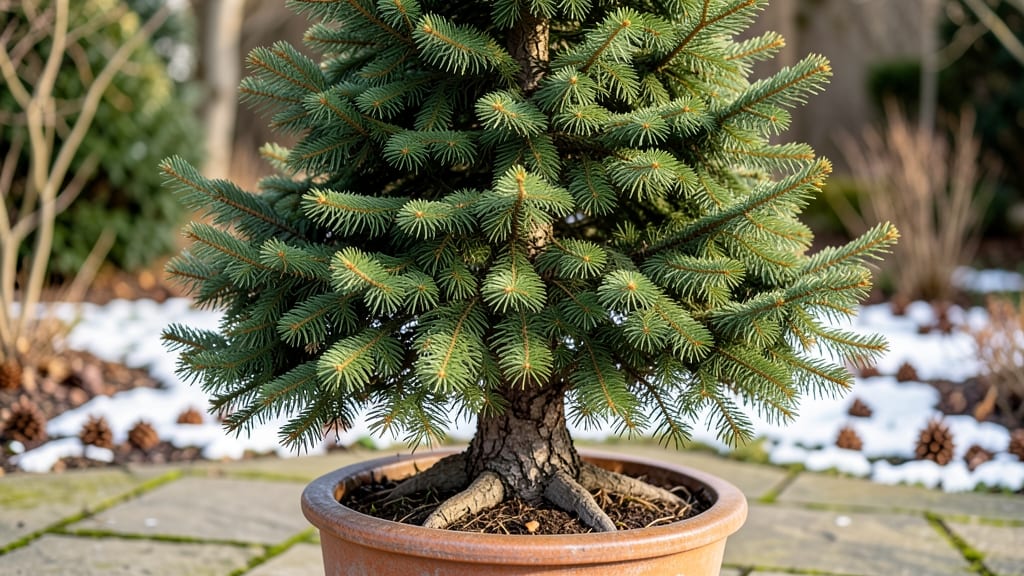
A potted fir tree brings forest magic to your patio, balcony, or entryway—year after year. 🌲 The key to keeping one thriving isn’t complicated, but it is different from growing them in the ground.
I’ve had mine stand tall for five winters now, and the secret lies in mimicking their natural habitat in a container. You’ll need well-draining soil, a pot with drainage holes, and a spot that gets bright but indirect light—think morning sun and afternoon shade.
Watering’s the trickiest part: too much and roots rot, too little and needles drop. I’ve learned to check the top inch of soil before watering, and my firs stay lush instead of leggy. By winter, you’ll have a fragrant, evergreen centerpiece that smells like Christmas all year.
The best part? With proper care, your potted fir can live for decades, growing just 6–12 inches taller each season. Just avoid overcrowded roots and watch for spider mites. Outdoor firs handle winter better than indoor ones, but both need protection from harsh winds.
Let’s get yours set up for long-term success—no brown needles in sight!
📚 In This Guide
- What you need
- Instructions
- Tips and common mistakes
- Wrapping up and next steps
What you need
- ● Potted Fir Tree Seedling: 1 young fir tree (e.g., Picea glauca ‘Conica’—the dwarf Alberta spruce—or Picea pungens ‘Glauca’ for a classic blue fir).
- ● Size: 1–3 feet tall (depending on desired maturity).
- ● Health check: Look for vibrant needles and no signs of pests/disease.
- ● Container: 1 durable pot with drainage holes (ceramic, fiberglass, or high-quality plastic).
- ● Size: At least 12–18 inches in diameter and depth (larger for mature trees).
- ○ Bonus: Add feet or casters for mobility (optional but handy!).
- ● Soil Mix: 1 bag (2–3 cubic feet) of well-draining, acidic potting mix (pH 5.0–6.0).
- ● Pro tip: Mix in 20% perlite or orchid bark to improve aeration. 💡
- ● Tools: 1 trowel or small shovel for planting.
- ● 1 watering can or hose with a gentle spray nozzle.
- ● 1 pruning shears (for shaping or trimming).
- ● 1 gloves (to protect your hands from sap or sharp needles).
- ● Fertilizer: Slow-release acid-loving plant fertilizer (e.g., 14-14-14 or osmocote for evergreens).
- ● Mulch: Pine bark or wood chips to retain moisture and mimic forest floor conditions.
- ● Support Stakes: If your fir is top-heavy, a small bamboo stake can provide stability.
- ● Indoor Grow Lights: A full-spectrum LED grow light (12–16 hours/day) for indoor setups.
- ● Pest Control: Neem oil or insecticidal soap (preventative measure for spider mites or aphids).
Step-by-Step instructions for potting a fir tree
Here's how to bring that fragrant, evergreen beauty indoors without the guesswork.
🪴 Step 1: Select the Right Container and Drainage
Choose a pot with drainage holes—fir trees hate soggy roots. I like 12-18 inch diameter containers for mature trees, but start smaller if you're planting a young sapling. The pot should be 2-3 inches wider than the root ball to allow room for growth without overwhelming the tree.
If your pot lacks drainage, drill holes in the bottom and add a 2-inch layer of gravel or broken pottery at the base. This prevents root rot, which is the #1 killer of potted firs. I always test drainage by filling the empty pot with water—it should drain completely within 5-10 minutes. If it pools, your pot is too small or lacks proper drainage.
🌱 Step 2: Prepare the Potting Mix and Planting Site
Use a well-draining evergreen potting mix—never garden soil. Mix in 20% perlite or coarse sand to improve aeration. Fir trees prefer slightly acidic soil (pH 5.0-6.5), so I add a handful of sphagnum peat moss to the mix for that extra acidity boost.
Fill the pot one-third full with your prepared mix, then gently tap the sides to settle it. Place the fir tree in the center of the pot, ensuring the top of the root ball sits 1 inch below the rim. This prevents water from spilling over when you water. If the tree is lopsided, adjust the mix in the pot to balance it—fir trees look best when their branches are symmetrical.
💧 Step 3: Plant and Water for the First Time
Carefully backfill around the root ball with the remaining potting mix, pressing lightly to eliminate air pockets. Don’t compact the soil too tightly—fir roots need room to breathe. Once planted, water the tree thoroughly until water runs out the drainage holes. This ensures the roots make full contact with the moist soil.
After watering, let the tree sit for 10-15 minutes, then empty any excess water from the saucer. Overwatering is the fastest way to kill a potted fir. You’ll know it’s properly hydrated when the top 1-2 inches of soil feel damp but not soggy. Place the tree in a spot with bright, indirect light—direct sun can scorch the needles.
☀️ Step 4: Position for Light and Humidity
Fir trees thrive in partial shade to dappled sunlight, ideally 4-6 hours of indirect light daily. A north- or east-facing window is perfect, but if you only have south or west exposure, use a sheer curtain to filter the harsh afternoon sun. You’ll notice the needles turning yellow or brown if the light is too intense—this is your warning sign to adjust the placement.
Mist the tree 2-3 times weekly to maintain humidity, especially if your home has dry air. I also place the pot on a tray of pebbles filled with water to create a natural humid microclimate. Just make sure the pot isn’t sitting directly in the water—fir roots rot if they’re constantly wet.
⏰ Step 5: Maintain Through the Seasons
Water when the top inch of soil feels dry, usually every 7-10 days in winter and every 5-7 days in summer. Fir trees are drought-tolerant once established, but they’ll let you know if they’re thirsty—needles turn dull and brittle when they’re too dry. A deep watering once a month with fertilizer diluted to half-strength keeps them healthy year-round.
In late winter or early spring, give the tree a light pruning to shape it and remove any dead or yellowing branches. Use clean, sharp pruners and cut just above a healthy bud. Avoid heavy pruning—fir trees don’t regenerate well, and over-pruning can stress the tree. With proper care, your potted fir will stay lush and fragrant for years.
Tips & tricks for perfect potted fir trees
Here's what I've learned from years of keeping fir trees thriving indoors—these details make all the difference.
Drainage Test: That 5-10 minute drainage test in Step 1 is non-negotiable. I've seen fir trees die within weeks because people skipped this step. If water pools after 10 minutes, either drill more holes or choose a larger pot—the roots need oxygen as much as water. A quick fix is to add a layer of aquarium gravel instead of regular gravel, which drains faster and prevents compaction.
Soil Balance: When mixing your potting soil in Step 2, I recommend weighing the ingredients rather than measuring by volume. A kitchen scale gives you precise ratios—aim for 80% evergreen mix, 15% perlite, and 5% peat moss by weight. This balance prevents that too-heavy, compacted soil that strangles roots. If you don't have a scale, use the "handful" method: one handful of peat moss per gallon of mix.
Watering Wisdom: The 10-15 minute wait after watering in Step 3 is crucial for preventing root rot. During this time, the excess water drains completely, and the roots get their first breath of air. I've found that using a spray bottle for the initial watering helps distribute moisture evenly without displacing the soil around the root ball. After the wait period, always empty the saucer completely—even a little standing water can cause problems over time.
Light Adjustment: For the 4-6 hours of indirect light in Step 4, consider using a light meter app on your phone to measure the actual light levels. Fir trees need about 1,000-2,000 foot-candles of light. If your space falls short, supplement with a grow light for 4-6 hours daily. I've had success with LED grow lights placed 12-18 inches above the tree—just make sure to give the tree a 12-hour dark period to mimic natural conditions.
Pro Tips for Fir Tree Potted
- Here's what I've learned from years of keeping fir trees thriving indoors—these details make all the difference.
- Drainage Test: That 5-10 minute drainage test in Step 1 is non-negotiable.
- Soil Balance: When mixing your potting soil in Step 2, I recommend weighing the ingredients rather than measuring by volume.
Frequently asked questions
Got questions about keeping a fir tree thriving in a pot? You’re not alone! Here are answers to the most common queries—from care tips to troubleshooting—to help your evergreen stay lush and vibrant all year.
How often should I water my potted fir tree?
A potted fir tree needs consistent moisture but hates soggy roots. Water when the top 1-2 inches of soil feel dry (usually every 5-7 days in summer, less in winter). Use well-draining soil and a pot with drainage holes to prevent root rot. Pro tip: Mist the needles occasionally to boost humidity!
Can a potted fir tree survive winter outdoors?
Yes, but with precautions! Most fir trees tolerate light frost, but protect them from harsh winds and freezing temps (below 10°F). Wrap the pot in burlap or move it to a sheltered spot. In extreme cold zones, bring it indoors near a bright window. Watch for needle browning—a sign of cold stress.
What’s the best soil mix for a potted fir tree?
Fir trees thrive in well-draining, acidic soil (pH 4.5–6.0). Mix 50% peat moss or pine bark, 30% perlite, and 20% compost for optimal aeration. Avoid heavy garden soil—it causes root rot. Add a handful of sulfur to lower pH if needed!
How do I know if my fir tree is getting enough light?
Fir trees need bright, indirect light (6+ hours daily). Signs of too little light: sparse growth, pale needles, or leggy stems. Too much direct sun? Needles may scorch (yellow/brown tips). Rotate the pot occasionally for even growth. Ideal spot: Near a north- or east-facing window or under shade cloth outdoors.
Why are my fir tree’s needles turning brown or falling off?
Brown needles often signal overwatering, underwatering, or pests. Check for:
- Root rot: Soggy soil + mushy roots = move to dry soil ASAP.
- Spider mites/scale: Tiny webs or sticky residue? Spray with neem oil.
- Winter burn: Crispy needles after cold snaps? Trim damaged areas and mulch the pot.
Are there dwarf fir varieties better for pots?
Consider these space-saving options:
Variety
Height (Mature)
Pot Size
Dwarf Alberta Spruce
3–5 ft
15–20 gallon
Mugo Pine
2–4 ft
10–15 gallon
Blue Rug Juniper
2–3 ft
10–12 gallon
Wrapping up and next steps
Bringing a fir tree potted into your space isn’t just about adding greenery—it’s about embracing timeless beauty and fresh air, no matter the season. Whether you’re a seasoned gardener or a beginner, these evergreen companions thrive with just a little care, turning even the coziest corners into serene retreats. 🌲✨
Ready to transform your home or patio? Start small:
- Pick your favorite fir variety and pot size.
- Gather your supplies and follow the planting tips.
- Watch your green oasis grow—one season at a time!