
Pruning
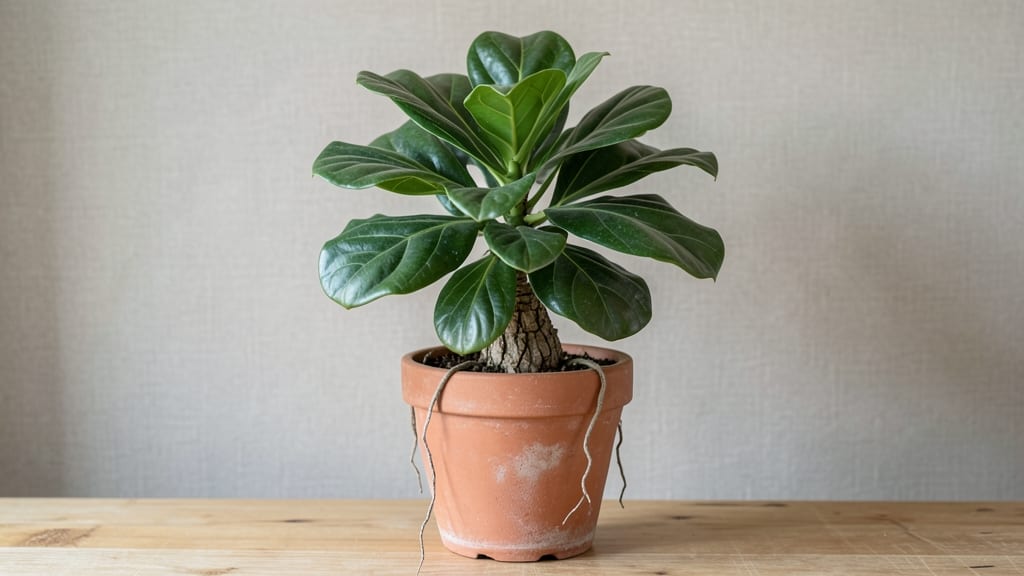
My small ficus tree thrives in my 8x10-foot apartment—no green thumb required. 🌿 The secret? Picking the right variety (like 'Little Gem' or 'Ginseng') and mastering the art of compact growth through strategic pruning and light control. Most people overwater or over-fertilize, which stunts growth and causes yellow leaves.
I’ve learned to water only when the top inch of soil feels dry and use a balanced fertilizer just twice a year. The result? A tree that stays under 6 feet tall while packing dense foliage.
With the right care, you’ll see new growth within 4-6 weeks, and the leaves stay glossy and vibrant year-round. Even in low-light spaces, these trees adapt—just rotate them weekly for even growth. For troubleshooting, yellow leaves usually mean overwatering, while slow growth often points to insufficient light.
Let’s fix that together—your tiny space deserves a lush, low-maintenance centerpiece.
📚 In This Guide
- What you need
- Instructions
- Tips and common mistakes
- Wrapping up and next steps
What you need
- ● Small ficus tree (Ficus spp.) – Choose a dwarf variety like Ficus microcarpa or Ficus benjamina (3–6 ft at maturity).
- ● Well-draining potting mix – 1–2 gallons (for a 6–12" pot). Use a blend of peat moss, perlite, and compost (or a cactus/succulent mix).
- ● Pot with drainage holes – 10–14" diameter (terracotta or ceramic works best).
- ● Slow-release fertilizer – Balanced 10-10-10 or organic options like fish emulsion.
- ● Pruning shears – Sharp, clean bypass pruners (avoid dull tools to prevent tearing).
- ○ Rooting hormone (optional) – For propagating cuttings (gel or powder form).
- ● Gloves – Protect your hands from sap (ficus sap can irritate skin).
- ● Spray bottle – For misting leaves (especially in dry climates).
- ● Humidity tray or pebbles – Helps maintain moisture if your home is dry.
- ○ Support stake or trellis (optional) – For training vining varieties like Ficus benjamina.
- ○ Pruning sealant (optional) – Wound dressing to prevent sap oozing after cuts.
Step-by-step guide to growing a compact ficus tree
Here's how to coax a lush, space-saving ficus from a nursery plant into a thriving centerpiece.
🪴 Step 1: Select the Right Variety and Pot
Choose a dwarf variety like Ficus benjamina 'Exotica' or Ficus lyrata 'Little Fiddle'—both stay under 4 feet tall with proper care. I always opt for a 10-12 inch pot with drainage holes to prevent root rot, which is the #1 killer of container ficus trees. The pot should be 2-3 inches wider than the root ball to allow 1-2 years of growth before repotting.
Use a well-draining potting mix formulated for tropical plants—standard garden soil compacts and suffocates roots. A blend of 50% peat moss, 30% perlite, and 20% orchid bark works perfectly. Tap the pot gently after filling to eliminate air pockets, then water until moisture runs freely from the drainage holes. This ensures even moisture distribution from the start.
☀️ Step 2: Position for Optimal Light Without Scorching
Ficus trees crave bright, indirect light—think east or west-facing windows where sunlight is gentle. A south window works too, but you'll need to rotate the pot quarter-turn weekly to prevent lopsided growth toward the light. Direct midday sun will bleach leaves, so if that's your only option, place the tree 3-4 feet back from the glass.
Watch for these light cues: Deep green, glossy leaves mean perfect conditions. Pale yellow leaves signal too much sun, while dull, dark green leaves indicate insufficient light. If leaves start dropping, move the tree 6 inches closer to the light source—ficus trees are forgiving but need consistency.
💧 Step 3: Master the Watering Balance
Water when the top 2 inches of soil feel dry—stick your finger in to check. Overwatering is the silent killer of ficus trees, so I always water deeply until excess drains from the bottom, then empty the saucer after 10 minutes. This prevents root rot while keeping the soil evenly moist. In winter, reduce watering to every 7-10 days as growth slows.
Here's the thing—ficus trees hate soggy roots. If the soil stays wet for more than 2 days, you're overwatering. Yellow leaves that start at the bottom? That's your warning. Adjust by letting the top 3 inches dry out completely between waterings. A moisture meter takes the guesswork out of it.
✂️ Step 4: Prune for Shape and Health
Prune in late winter or early spring before new growth begins. Use clean, sharp pruning shears to cut just above a leaf node at a 45-degree angle. This encourages bushier growth. Never prune more than one-third of the tree's height at once—ficus trees recover slowly from drastic cuts. Remove any yellow or damaged leaves immediately to redirect the tree's energy.
For a compact shape, pinch back the newest growth by one-third when stems reach 6-8 inches tall. This triggers branching at the base. I also remove any suckers (shoots growing from the base) unless you're propagating—these sap energy from your main plant. After pruning, wipe the cuts with a rubbing alcohol-soaked cloth to prevent fungal infections.
🌿 Step 5: Fertilize and Encourage Growth
Feed every 4-6 weeks during spring and summer with a balanced liquid fertilizer (10-10-10 or 20-20-20). I dilute it to half-strength to avoid burning roots—ficus trees are sensitive to salt buildup. In fall and winter, reduce feeding to every 8-12 weeks as the tree enters dormancy. Flush the soil with water monthly to prevent fertilizer salts from accumulating.
You'll see new growth within 2-3 weeks of fertilizing—look for bright green leaves and elongated stems. If growth stalls, it's time to check your light or watering routine. A ficus tree that's not growing could be root-bound, so gently tap the pot—if roots circle the bottom, it's time to repot into a 2-inch larger container with fresh soil.
Tips & tricks for perfectly compact ficus growth
These game-changing strategies will help your dwarf ficus thrive in limited space without compromising health or beauty.
Variety Selection: While Ficus benjamina 'Exotica' and Ficus lyrata 'Little Fiddle' are excellent choices for compact growth, consider Ficus microcarpa 'Ginseng' for its naturally twisted, bonsai-like appearance that stays under 3 feet. All three varieties respond beautifully to the same care routine, but their unique growth habits can help you achieve different aesthetic goals in tight spaces.
Pot Size Strategy: The 10-12 inch pot recommendation is perfect for the first 1-2 years, but here's the trick: use a container that's only 1-2 inches wider than the root ball. This creates root-bound conditions that actually stimulate bushier growth. Once you notice roots circling the bottom (usually after 18-24 months), it's time to upgrade to a pot just 2 inches larger—this gradual increase prevents stress while maintaining compact proportions.
Light Optimization: For maximum growth in limited space, supplement natural light with a full-spectrum LED grow light during winter months when daylight is scarce. Position the light 12-18 inches above the tree for 12-14 hours daily, which mimics summer conditions. This prevents the "winter slump" where ficus trees lose leaves due to insufficient light. The quarter-turn weekly rotation you do for natural light applies here too—just rotate the grow light position instead of the tree.
Watering Technique: That 10-minute saucer drainage time is crucial, but here's what nobody tells you: use room temperature water. Cold water can shock the roots, especially in winter when growth is slower. I always fill my watering can and let it sit for at least 30 minutes before watering. Also, consider using a self-watering planter with a moisture meter—this eliminates guesswork while preventing both overwatering and underwatering, two common issues that stunt compact growth.
Pro Tips for Ficus Tree Small
- These game-changing strategies will help your dwarf ficus thrive in limited space without compromising health or beauty.
- Variety Selection: While Ficus benjamina 'Exotica' and Ficus lyrata 'Little Fiddle' are excellent choices for compact...
- Pot Size Strategy: The 10-12 inch pot recommendation is perfect for the first 1-2 years, but here's the trick: use a ...
Frequently asked questions
How often should I prune a small ficus tree to keep it compact?
Prune your ficus tree small every 4-6 weeks during active growth (spring/summer). Focus on trimming new growth just above a leaf node or branch to encourage bushier growth. Avoid heavy pruning in fall/winter—it stresses the plant. Pro tip: Use clean, sharp shears to prevent disease!
Why is my small ficus tree growing too fast, even after pruning?
Fast growth often means your ficus is overwatered, underpruned, or getting too much light. Check soil moisture (top inch should dry out), reduce fertilizers, and move it to bright, indirect light. If roots are bound in the pot, repot into a slightly larger container to curb aggressive growth.
Can I propagate a small ficus tree from pruned cuttings?
Take 4-6 inch cuttings with 2-3 leaves, dip in rooting hormone, and place in moist perlite or water. Keep in warm, humid conditions (70°F+) and avoid direct sun. Roots should form in 4-8 weeks. Pro tip: Bottom heat (like a seedling mat) speeds up rooting!
What’s the best small ficus tree alternative for low-light spaces?
If your space is super dim, try these low-light ficus pals:
- Ficus Audrey – Glossy leaves, slow-growing, and thrives in 50% light.
- Ficus Benjamina ‘Exotica’ – Compact, variegated, and forgiving.
- Schefflera (Umbrella Plant) – Not a ficus, but equally resilient in low light!
My small ficus leaves are yellowing—what’s wrong?
Yellow leaves usually signal overwatering or poor drainage. Let the soil dry completely between waterings and ensure the pot has drainage holes. If roots are mushy or the pot smells sour, repot in fresh, well-draining mix. Pro tip: Brown edges? It’s underwatering—increase humidity with a pebble tray!
Wrapping up and next steps
Growing a small ficus tree in tight spaces is totally doable with the right care and pruning techniques! Whether you’re shaping it for aesthetics or controlling its size, remember that patience and consistency are key.
With proper tools, timing, and a little creativity, your compact ficus can thrive as a stunning indoor or outdoor focal point.
Ready to take the next step? Start small—pick one pruning technique to practice this week, and watch your ficus transform! 🌿✨ Your green thumb is closer than you think!