
Pruning
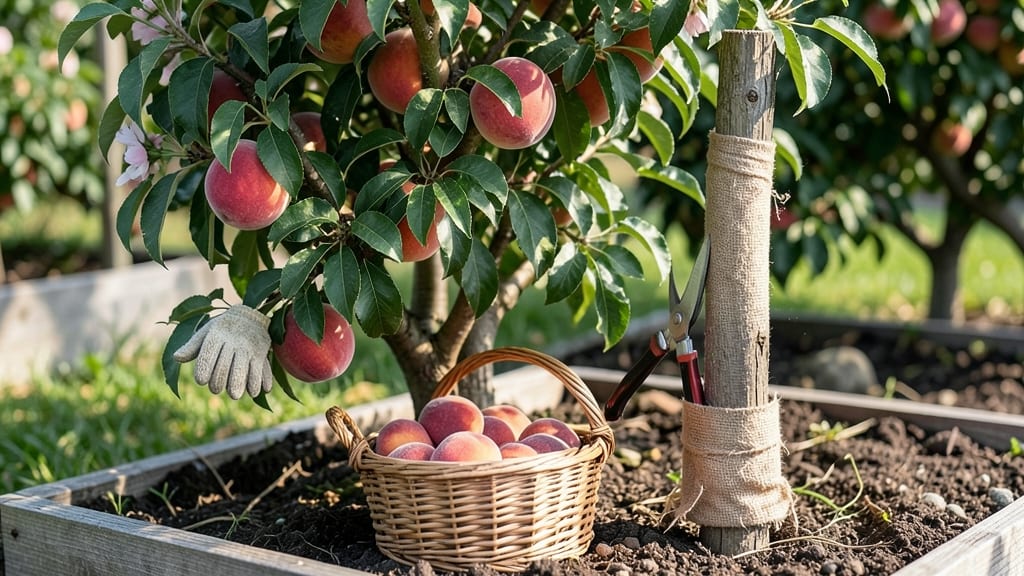
Growing family tree donut peaches yields sweet, freestone fruit perfect for eating fresh, canning, or baking. These trees thrive in well-drained soil with full sun exposure, require annual pruning to maintain shape, and benefit from fruit thinning for better size and flavor. Popular varieties like 'Redhaven' and 'Elberta' grow best in USDA Zones 5-9 with proper care.
Family tree donut peaches get their name from their distinctive flat, open-grown shape that resembles a donut when viewed from above.
This growth habit isn't just for looks—it maximizes sunlight exposure to every branch, which boosts fruit quality and yield. 🌳 The key to maintaining this shape is strategic pruning in late winter or early spring, before buds swell, to remove crossing branches and encourage outward growth.
I've found that proper pruning also reduces disease risk by improving airflow through the tree's canopy.
These trees produce fruit that's prized for its balance of sweetness and acidity, making them versatile for everything from fresh snacks to homemade preserves.
What sets them apart from other peach varieties is their ability to produce consistently sweet fruit even in less-than-ideal conditions, though they do require regular watering—especially during the first two years after planting.
The freestone characteristic means the pit separates easily from the flesh, which is a huge plus for canning and baking applications.
💡 In This Article
- How to Prune Family Tree Donut Peaches for Maximum Fruit Production
- Best Soil, Watering, and Fertilizing Practices for Donut Peach Trees
How to prune family tree donut peaches for maximum fruit production
The donut-shaped growth habit of these peach trees isn't accidental—it's the result of careful pruning that creates an open center with branches radiating outward like spokes. This structure maximizes sunlight penetration to the inner fruit, which is crucial since peaches need 6-8 hours of direct sun daily for optimal ripening.
The open center also improves airflow, reducing humidity levels that can promote fungal diseases like brown rot. 🌞 When you prune, focus on removing branches that grow inward or cross each other, as these compete for sunlight and nutrients while creating shaded, disease-prone areas.
Timing matters more than most gardeners realize. The best time to perform structural pruning is late winter or early spring (February-March), just before buds swell but before new growth begins. This allows the tree to heal quickly and prepare for the growing season.
Summer pruning (June-July) should be minimal—just removing water sprouts or diseased branches—and always done after fruit harvest to avoid stressing the tree. Use sharp bypass pruners for clean cuts at a 45-degree angle, about ¼-inch above an outward-facing bud.
Avoid leaving stubs, as they can invite pests and diseases.
Balancing growth with fruit production requires understanding the tree's energy priorities. Young trees (ages 1-3) should focus on establishing their structure, so limit fruit thinning to 20-30% of the crop to avoid overburdening the tree.
Mature trees (ages 4+) can handle more aggressive thinning—remove 50-70% of fruit to leave only the largest, healthiest peaches spaced 6-8 inches apart.
This might seem counterintuitive, but larger fruit develops better flavor and color. 🍑 The key is to thin when fruit is 1-1.5 inches in diameter, before the tree commits too much energy to smaller, less desirable fruit.
Common pruning mistakes often stem from over-pruning or improper cuts. Never remove more than 25% of the tree's canopy in a single year, as this can shock the tree and reduce next year's crop.
Also avoid "heading back" branches (cutting back to a lateral branch) unless absolutely necessary, as this encourages dense, shaded growth. Another pitfall is pruning during wet weather, which can spread diseases through open wounds. Always sterilize your tools with rubbing alcohol between cuts to prevent bacterial contamination.
For donut-shaped trees specifically, maintain the central opening by selectively removing branches that grow toward the center. Aim to keep the center 12-18 inches wide in mature trees to allow sunlight to reach the ground below. This open structure also makes harvesting easier—you can reach inner fruit without damaging branches.
In colder climates (USDA Zones 5-6), consider wrapping the trunk with tree wrap or burlap during winter to protect against sunscald and rodent damage, which can weaken the tree's ability to produce fruit.
Pro tip: Create a pruning map by sketching your tree's branches before you start. Mark branches to keep, remove, and those that need thinning.
This visual guide helps maintain the donut shape while ensuring you don't miss any critical cuts. 🌿 Start with larger branches first, then work your way to smaller ones, as this prevents the tree from "bleeding" sap excessively.
Remember that peach trees are sensitive to over-pruning—they'll often produce more leaves than fruit as a recovery mechanism, so be patient and consistent with your approach.