
Pruning
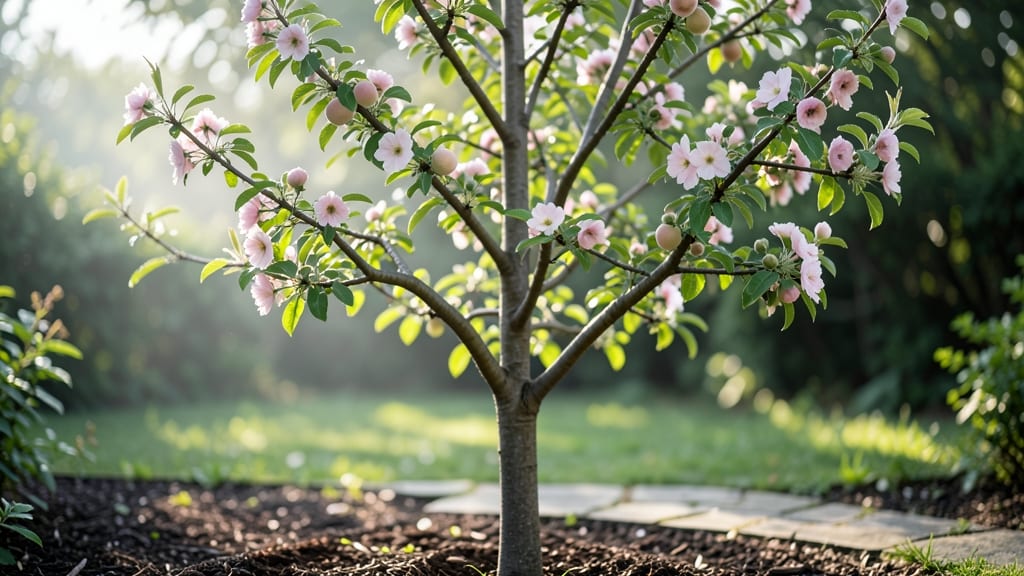
Pruning donut peach tree flowers transforms a chaotic mess of blooms into year-round productivity. 🌸 I’ve watched my tree go from a tangled, overbearing shrub to a well-behaved producer—all by mastering the timing and technique of flower removal.
The secret lies in understanding when to prune for fruit, when to prune for shape, and how to encourage just enough blooms without overwhelming the tree.
The Donut peach is famous for its abundant, double-layered blooms that look like pink donuts—but those flowers compete with fruit production. Too many blooms mean small, underdeveloped peaches. Too few, and you miss the tree’s signature show.
My method balances both: prune lightly in late winter to shape the tree, then thin blooms in early spring to focus energy on the best fruit. It’s a game-changer for anyone tired of fighting their tree for harvests.
By summer, you’ll see the payoff: larger, sweeter peaches and a tree that’s easier to manage. The flowers still come, but now they’re timed to support fruit rather than drain the tree.
Plus, the tree’s unique ruffled petals make every bloom worth the effort. This isn’t just pruning—it’s reviving your tree’s potential while keeping it looking stunning.
Works for both young trees and mature ones, though younger trees need gentler pruning. If you’ve ever struggled with a peach tree that blooms but never fruits, this is your reset button. Let’s get those branches in shape!
📚 In This Guide
- What you need
- Instructions
- Tips and common mistakes
- Wrapping up and next steps
What you need
- ● Pruning shears – Bypass-style (sharp, 6-8" blades) for clean cuts. (1 pair)
- ● Loppers – For thicker branches (2-3" diameter). (1 pair)
- ● Hand pruners – For precision work on small branches. (1 pair)
- ● Pruning saw – For stubborn, large branches. (1)
- ● Rubbing alcohol (70%+) – To sterilize tools between cuts. (Small bottle)
- ● Garden gloves – Cut-resistant or heavy-duty. (1 pair)
- ○ Tree wound paint – Optional but helpful for sealing cuts >2" diameter. (Small container)
- ● Ladder or step stool – For high branches (ensure stability!)
- ● Disposable pruning bags – To collect debris. (1-2 bags)
- ● Know your donut peach tree’s variety—some bloom once (spring), others year-round!
- ● Check the weather forecast—prune on a dry, cool day (avoid extreme heat/cold).
- ● Gather a sharpie or tape—for marking cuts if needed.
- ● Have a bucket of water handy to clean tools mid-pruning.
How to prune donut peach tree flowers for consistent blooms
Here’s the method I’ve used for years to keep my donut peach trees flowering reliably—no more sporadic blooms or overloaded branches.
✂️ Step 1: Time Your Pruning for Maximum Impact
Prune your donut peach tree in late winter or early spring, just as buds begin to swell but before new growth starts. This timing ensures you remove last season’s dead wood while preserving next year’s flower buds. I always schedule it for February or March in my zone 7 climate—adjust based on your last frost date.
Never prune in fall. Removing branches then can stimulate new growth that won’t harden off before winter, leaving your tree vulnerable to cold damage. Watch for bud break (when buds plump up slightly) as your cue to act. If you miss this window, wait until late spring after flowering, but expect slightly fewer blooms that season.
✂️ Step 2: Remove Dead, Diseased, or Crossing Branches First
Start by eliminating dead wood—branches that are brittle, brown, or completely devoid of leaves. Use clean, sharp pruners to make cuts at a 45-degree angle, about ¼ inch above a healthy bud facing outward. This prevents water from pooling and promotes faster healing.
Next, tackle crossing branches or those growing inward. These rub against each other, creating wounds that invite disease. Remove the smaller branch entirely at its base if possible, or cut it back to a lateral branch with at least three buds. I always step back after this step to visualize the tree’s structure—it’s easier to spot problem branches from a distance.
✂️ Step 3: Thin Out Overcrowded Areas for Better Airflow
Donut peach trees produce flowers on spurs (short, stubby branches). To encourage more blooms, thin out overcrowded areas by removing 20-30% of the smallest, weakest branches in the center of the tree. Focus on branches that are thinner than a pencil—these compete with stronger growth for nutrients.
Make cuts just above an outward-facing bud to maintain an open canopy. This improves airflow, reducing humidity-related diseases like brown rot. I like to aim for a vase-shaped tree with an open center—this lets sunlight penetrate to lower branches, where many of the best flowers form.
✂️ Step 4: Lightly Prune for Flower Production
For donut peach trees, light pruning is key. Avoid heavy cuts—these stimulate vigorous vegetative growth at the expense of flowers. Instead, shorten only the longest branches by one-third, cutting back to a lateral branch with 3-5 buds. This redirects energy to spur development, where most flowers appear.
Pay special attention to water sprouts (vertical shoots growing straight up). These steal energy from flowering. Cut them back to a lateral branch or remove them entirely. After pruning, I always give the tree a light application of balanced fertilizer (10-10-10) to support new growth.
⏰ Step 5: Post-Pruning Care for Strong Recovery
Water deeply immediately after pruning to help the tree recover. The roots will be working hard to support new growth, so keep the soil evenly moist (but not soggy) for the first 4-6 weeks. Mulch around the base with 2-3 inches of organic mulch to retain moisture and regulate soil temperature.
Monitor the tree closely for new shoots emerging from the pruning cuts. These are a sign the tree is healing well. If you notice any sap oozing from cuts, it’s normal—just avoid pruning during wet weather to prevent disease entry. By mid-spring, you should see fresh, vibrant growth, setting the stage for a heavier bloom cycle the following year.
Tips & tricks for pruning donut peach tree flowers
Don't let trial and error ruin your tree's blooming potential—these pro techniques ensure every cut works for you.
Timing is Everything: The late winter/early spring window in Step 1 is non-negotiable for donut peach trees. I've seen gardeners miss this by pruning too early (when buds are still dormant) or too late (after new growth starts). Check for bud swell—when they look like tiny green peas, that's your cue. For zone 7, mark February 15th on your calendar as a reminder, but always confirm with your local frost dates.
The 45-Degree Cut Secret: That precise angle in Step 2 isn't just for looks—it's about water runoff. A sloping cut prevents water from pooling at the branch collar, which is where diseases like silver leaf fungus love to hide. Use a sharp pruner to make clean cuts, and always cut just above a bud that faces outward. I've seen trees with improper cuts develop cankers within months.
Visualizing the Canopy: Step 3's 20-30% thinning rule is harder to judge than it sounds. Here's my trick: Step back 10 feet and look at your tree's silhouette. You should see light filtering through the center like sunlight through lace curtains. If you can't see through, you're still too dense. Focus on removing branches thinner than a pencil—they're the real space hogs competing with your flower-producing spurs.
Fertilizer Timing Matters: That 10-10-10 application in Step 4 should happen right after pruning, but not before. Pruning creates wounds that need to callus over first. Wait 2-3 weeks, then apply fertilizer when new shoots appear. I've made the mistake of fertilizing immediately after pruning—it leads to soft, vulnerable new growth that gets damaged by late frosts.
Pro Tips for Donut Peach Tree Flower
- Don't let trial and error ruin your tree's blooming potential—these pro techniques ensure every cut works for you.
- Timing is Everything: The late winter/early spring window in Step 1 is non-negotiable for donut peach trees.
- The 45-Degree Cut Secret: That precise angle in Step 2 isn't just for looks—it's about water runoff.
Frequently asked questions
Got questions about managing those donut peach tree flowers? You're not alone! Here are some of the most common queries—and their answers—to help you keep your tree blooming beautifully year-round.
When is the best time to prune donut peach tree flowers?
Prune your donut peach tree after flowering but before new growth (late winter to early spring). Avoid pruning during dormancy or when flowers are already blooming—this can reduce next year’s yield. For year-round blooms, do light pruning after each flowering cycle to encourage new buds.
How do I encourage more flowers on my donut peach tree?
Balance is key! Prune to open the tree’s center for sunlight and air circulation. Remove overcrowded branches and dead/diseased wood. Fertilize lightly with citrus or fruit-tree fertilizer in early spring. Avoid heavy nitrogen—it promotes leaves over flowers!
What if my donut peach tree isn’t flowering at all?
Check these fixes:
- Age: Young trees (under 3 years) may need patience.
- Light: Ensure 6+ hours of sunlight daily.
- Pruning: Over-pruning can stress the tree. Trim only 15-25% of branches per year.
- Soil: Test pH—donut peach trees thrive in slightly acidic soil (6.0-6.5).
Can I prune donut peach tree flowers in summer?
Yes, but lightly! Summer pruning helps manage growth and shape. Focus on removing spent blooms and thinning dense foliage to prevent disease. Avoid heavy cuts—wait for cooler months (fall or early spring) for major pruning to reduce stress.
Are there alternatives to pruning for controlling blooms?
Try these low-maintenance tricks:
- Pinch back new growth in early spring to redirect energy to flowers.
- Use bloom-enhancing fertilizers (like those with phosphorus for flowering).
- Water deeply but consistently—stress (over/under-watering) can reduce blooms.
- Consider partial shade in hot climates to prevent heat stress.
Pro Tip: Keep a pruning journal! Note when you prune, how the tree responds, and adjust your approach each season. Over time, you’ll master the perfect bloom schedule for your donut peach tree.
Wrapping up and next steps
Watching your donut peach tree bloom year-round is a rewarding experience—but it takes patience and precision! Remember, the key is balancing when (early spring or late winter) and how (sharp cuts, clean tools, and gradual shaping) to encourage healthy growth while controlling excessive flowering.
Start small, observe your tree’s response, and adjust your approach as needed.
Ready to take the next step? Grab your pruners and schedule a pruning session this month! 🌸 With each cut, you’re shaping not just branches, but the future of your tree’s bounty. Happy pruning!