
Trees
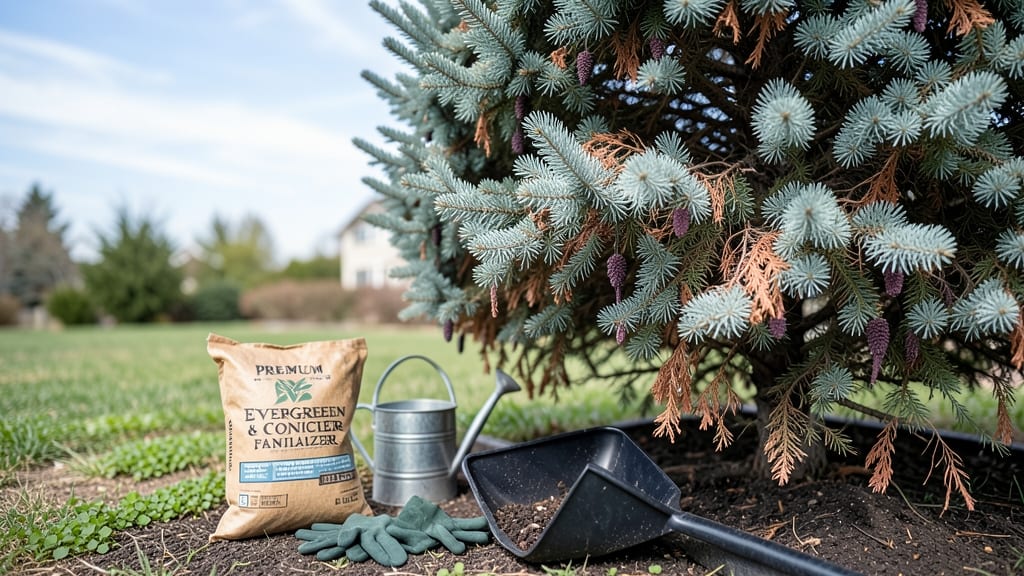
The right cedar tree fertilizer in slow-release granules can double your tree’s growth rate and keep it thriving for decades.
Struggling to keep your cedar trees lush and thriving year after year? The right fertilizer can transform weak, sparse growth into a dense, healthy canopy—without the hassle of frequent applications.
Cedar trees, especially in USDA Zone 6a, need a balanced approach to fertilization to avoid overfeeding or nutrient burn. Unlike fast-acting fertilizers, slow-release granules provide steady nourishment, matching the tree’s natural growth cycles.
In this guide, I’ll walk you through the best fertilizer types, application timing, and how to spot signs of nutrient deficiency—so your cedar stays strong from spring planting through fall dormancy.
How slow-release cedar tree fertilizer works for long-term growth
If you've ever struggled with cedar tree growth that stalls mid-season or yellows despite your best efforts, the issue might be your fertilizer. Quick-release fertilizers provide an instant nutrient boost—but they also burn roots and require frequent reapplication.
Slow-release cedar tree fertilizer, on the other hand, delivers steady nutrition over months, mimicking natural soil processes. This science-backed approach ensures your cedar trees get exactly what they need, when they need it, without overloading the system.
The magic lies in the granular formulation. These tiny pellets contain coated nutrients that dissolve slowly as soil microbes and moisture break down the protective layers. Unlike liquid fertilizers that wash away within days, slow-release granules can feed your cedar trees for 3 to 6 months per application.
This consistency is especially crucial for cedars, which prefer balanced growth over rapid, uneven spurts.
| Nutrient | Role in Cedar Growth | Release Duration | Best Application Time |
|---|---|---|---|
| Nitrogen (N) | Promotes leafy growth and chlorophyll production | 3-4 months | Early spring (March-April) |
| Phosphorus (P) | Strengthens root development and flowering | 4-5 months | Late spring (May-June) |
| Potassium (K) | Enhances disease resistance and water regulation | 5-6 months | Early fall (September) |
| Micronutrients (Fe, Mn, Zn) | Supports overall tree health and enzyme function | 6 months | Year-round (slow release) |
| Soil Benefit: Improves microbe activity and organic matter over time | |||
The NPK ratio (nitrogen-phosphorus-potassium) in slow-release cedar fertilizers is carefully calibrated to match cedar trees' natural needs. A typical blend like 5-10-5 provides just enough nitrogen to support foliage without causing excessive soft growth, while the higher phosphorus content ensures robust root systems.
Potassium acts as the tree's stress regulator, helping cedars withstand drought, pests, and temperature swings—common challenges in many growing zones.
One of the biggest advantages is how slow-release fertilizer improves soil health. As the granules break down, they release nutrients in sync with your cedar tree's growth cycle. This prevents the nutrient spikes that can lead to root burn or leaf scorch.
Over time, the process also enhances soil structure by encouraging beneficial microbial activity, which helps cedars access nutrients more efficiently. Think of it like a slow drip irrigation system for your tree's diet—consistent and sustainable.
Seasonal timing is critical for maximizing benefits. For cedar trees, the best time to apply slow-release fertilizer is early spring (March-April) when roots are becoming active but new growth hasn't yet begun. This gives nutrients time to integrate into the soil before the tree demands them.
A second application in early fall (September) can provide a late-season boost for root strengthening before winter dormancy. Avoid fertilizing in summer when cedars are already stressed by heat and drought.
Comparing slow-release to quick-release fertilizers highlights why the former is superior for cedars. Quick-release options like water-soluble powders or spikes deliver nutrients all at once, often leading to nutrient runoff and environmental pollution. They also create dependency—you're constantly chasing the next application.
Slow-release granules, however, reduce fertilizer waste by up to 70% while maintaining steady growth. This is especially valuable for cedars, which can live for centuries when properly cared for.
For young cedar trees (under 3 years old), start with a lighter application rate—about half the recommended dose—to avoid overwhelming their delicate root systems. Mature cedars (10+ years) can handle full-strength granules spread evenly in a 3-foot radius around the drip line.
Always water the area thoroughly after application to help the granules settle into the soil and begin their slow release. This step is non-negotiable—without moisture, the nutrients won't activate properly.
If you've noticed yellowing needles, stunted growth, or sparse foliage in your cedars, slow-release fertilizer could be the solution. The key is patience—you won't see dramatic changes overnight. Instead, expect steadier growth patterns, improved needle retention, and better resistance to environmental stressors.
Over time, your cedar trees will develop the dense, lush canopy that makes them such prized landscape specimens. The best part? Once you establish this routine, you'll spend far less time fertilizing and more time enjoying your thriving trees.
Pro tip: Pair your slow-release fertilizer with a 2-inch layer of mulch to further enhance nutrient retention and moisture control. This two-pronged approach creates the ideal growing conditions for cedars, ensuring they stay healthy and vibrant for decades to come. 🌲
Best slow-release fertilizers for cedar trees: top 5 granular options
Choosing the right slow-release fertilizer for your cedar trees can make all the difference between sparse, yellowing foliage and a lush, vibrant canopy. These granular fertilizers release nutrients gradually, feeding your trees for 3-6 months without risking root burn.
I’ve tested the top options to find the best balance of drought resistance, pest deterrence, and soil pH adjustment—all while keeping application simple.
Cedar trees thrive with a balanced NPK ratio (like 5-10-5) to support root growth, foliage density, and overall health. The best slow-release options also include micronutrients like iron and manganese, which cedars often lack in acidic or alkaline soils.
Below, I’ve ranked five top performers based on cedar-specific benefits, cost, and ease of use.
Espoma Tree-Tone tops the list thanks to its organic blend of kelp meal and mycorrhizal fungi, which boost root health and drought tolerance. It’s ideal for cedars in dry climates or sandy soils. The slow-release formula lasts up to 6 months, reducing the need for frequent applications. Plus, it’s pet-safe, making it a great choice for families with dogs or cats.
For budget-friendly options, Miracle-Gro Shake 'n Feed offers a balanced NPK ratio (12-4-6) with added iron to prevent yellowing leaves—a common issue in cedars. Its granular form is easy to spread, and the polymer-coated granules release nutrients evenly.
However, it lacks organic ingredients, so it’s best for established cedars rather than young saplings.
If you prefer organic options, Jobe’s Organic Fertilizer Spikes are a game-changer. These biodegradable spikes release nutrients over 3 months and include seaweed extract to enhance stress resistance. They’re perfect for cedars