
Light Requirements
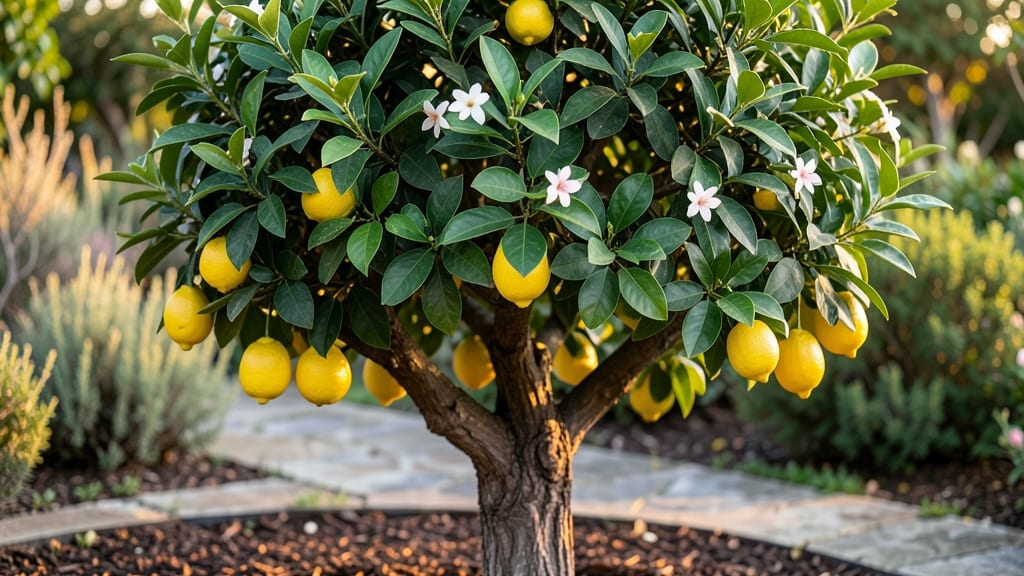
A lemon tree needs a lot of sun to produce fruit and grow strong 🍋—at least 6 hours of direct sunlight daily, though more is always better.
Struggling to grow a lemon tree that bears fruit? Sunlight might be the missing piece—discover exactly how much light your citrus tree needs to thrive and avoid common mistakes that stunt growth.
Too little sun leads to weak stems, sparse leaves, and lemons that never ripen. But too much scorching heat can also damage the tree, especially in hot climates like USDA Zone 6a. The key is finding that sweet spot between bright light and protection.
In this guide, I’ll break down the ideal sunlight exposure for your lemon tree, whether you’re growing it in a container, in the ground, or even indoors. You’ll learn how to spot sun deficiency, adjust for seasonal changes, and keep your tree happy year-round.


How many hours of sun does a lemon tree really need?
If you've ever wondered why your lemon tree isn't bearing fruit—or why its leaves look sad—sunlight is likely the culprit. While all citrus trees need plenty of light, the exact hours of sun vary by variety and growth stage.
Let’s break down the science-backed requirements so you can give your tree the perfect light conditions for optimal photosynthesis and fruit development.
Most lemon trees thrive with 6 to 8 hours of direct sunlight daily, but some varieties like the Meyer lemon can tolerate slightly less. The key is understanding how sunlight needs change as your tree grows, from seedling to mature fruiting stage.
Without enough light, your tree will struggle to produce energy for growth and fruit production, leading to weak stems, sparse foliage, and tiny or no lemons.
🚨 Here’s the critical threshold: Lemon trees need at least 6 hours of full sun to survive, but 8+ hours is ideal for heavy fruit production. Below this, photosynthesis slows, and your tree will prioritize leaf growth over fruit development. Let’s dive into the specifics by variety and growth stage.
For seedlings, the stakes are lower, but even young trees need bright indirect light to avoid becoming leggy. Place them near a south-facing window or under a grow light if indoors. Without enough light at this stage, seedlings develop weak stems that can’t support future fruit.
Once your tree matures, its sunlight requirements increase. A mature lemon tree in full sun will produce more flowers and fruit, but the type of sunlight matters too. Morning sun (6 AM–12 PM) is ideal because it’s less intense, while afternoon sun (especially in hot climates) can scorch leaves.
If you live in a region with extreme heat, provide afternoon shade to protect your tree without sacrificing light.
During the fruiting stage, your lemon tree’s energy demands peak. This is when you’ll see the biggest difference in fruit quality based on sunlight. Trees with 8+ hours of sun produce larger, sweeter lemons, while those with less may yield small, tart fruit—or none at all.
If your tree is struggling to fruit, check its light exposure first before adjusting water or fertilizer.
💡 Pro Tip: If you’re growing your lemon tree in a container, rotate it every few weeks to ensure even sunlight exposure. Trees left in one spot often grow lopsided, with more foliage on the sunniest side.
This imbalance can reduce fruit production and weaken the tree’s structure over time.
What if you don’t have a spot with 6+ hours of direct sun? Don’t give up yet! While lemon trees prefer full sun, some varieties like the Meyer lemon can adapt to partial shade, especially in cooler climates.
However, expect slower growth and fewer lemons. For indoor growers, a south-facing window combined with a grow light can mimic outdoor conditions, though it won’t replace natural sunlight entirely.
Remember, sunlight isn’t just about hours—it’s about intensity and consistency. Lemon trees need direct sunlight, not filtered light through sheer curtains. If your tree’s leaves are pale or the stems are stretching toward the light, it’s a clear sign it needs more.
Adjust its position or supplement with artificial light to keep it thriving.
By tailoring your lemon tree’s sunlight exposure to its variety and growth stage, you’ll set it up for success.
Whether you’re growing a Meyer lemon in a pot or a Eureka lemon in your backyard, the right amount of sun is the foundation for a tree that’s healthy, productive, and full of juicy lemons. 🌱
Signs your lemon tree isn’t getting enough sun (and how to fix it)
If your lemon tree looks healthy but refuses to produce fruit—or worse, its leaves are turning pale or dropping—sunlight deficiency might be the culprit. Lemon trees are sun-hungry plants, and even subtle light reductions can trigger stress responses.
I’ve seen yellowing leaves on the lower branches and sparse fruit when trees get less than 6 hours of direct sunlight daily. The good news? Recognizing these signs early lets you adjust before permanent damage occurs.
One of the first visual warnings is chlorosis, where leaves lose their vibrant green color and develop yellow patches, especially on older foliage. This happens when chlorophyll production slows due to insufficient photosynthesis.
You might also notice weak stems that struggle to support new growth, or small, bitter lemons that fail to ripen properly. Even indoor growers with south-facing windows can miss the mark if the tree isn’t close enough to the glass.
⚠️ Critical Sunlight Thresholds for Lemon Trees
Minimum daily sun: 6 hours of direct sunlight (non-negotiable for fruit production).
Ideal exposure: 8–12 hours for optimal growth and lemon ripening.
Partial shade risk: Leads to stunted growth, leaf drop, and poor fruit quality.
Indoor fix: Use grow lights (12–16 hours/day) if natural light is insufficient.
To diagnose the issue, observe your tree’s canopy structure. Healthy lemon trees develop a full, bushy shape with leaves reaching outward. If branches stretch toward the light source or leaves grow spindly and pale, your tree is phototropism-ing—literally leaning for more sun.
This is your tree’s way of saying, “I need more light!” Prune these over-extended branches to encourage denser growth, but move the tree closer to a sunny spot first.
For container-grown lemon trees, rotate the pot every 2–3 weeks so all sides get equal sunlight. If you’re in a low-light climate (like the Pacific Northwest), supplement with a full-spectrum LED grow light placed 6–12 inches above the canopy.
Aim for 12–16 hours of light daily during winter months when daylight shortens. I’ve had success with 10,000-lux grow lights on a timer to mimic natural cycles.
Don’t overlook the soil’s role in sun deficiency. While light is the primary issue, poor drainage or compacted soil can worsen stress. Ensure your lemon tree’s pot has drainage holes or that in-ground soil is amended with compost or perlite.
Water deeply but infrequently—overwatering in low light can drown roots, masking the real problem. Stick your finger 2 inches into the soil; if it’s damp, wait before watering again.
If your tree is already showing severe sun deprivation, don’t panic. Start with gradual adjustments: move it outdoors for 2–3 hours daily if it’s been indoors, or prune shaded branches to redirect energy. Over 4–6 weeks, you’ll see new growth emerge with a richer green color.
For indoor lemon trees, pair supplemental lighting with a balanced fertilizer (like 6-6-6 NPK) to support recovery. Patience is key—your tree will bounce back with the right light and care!